







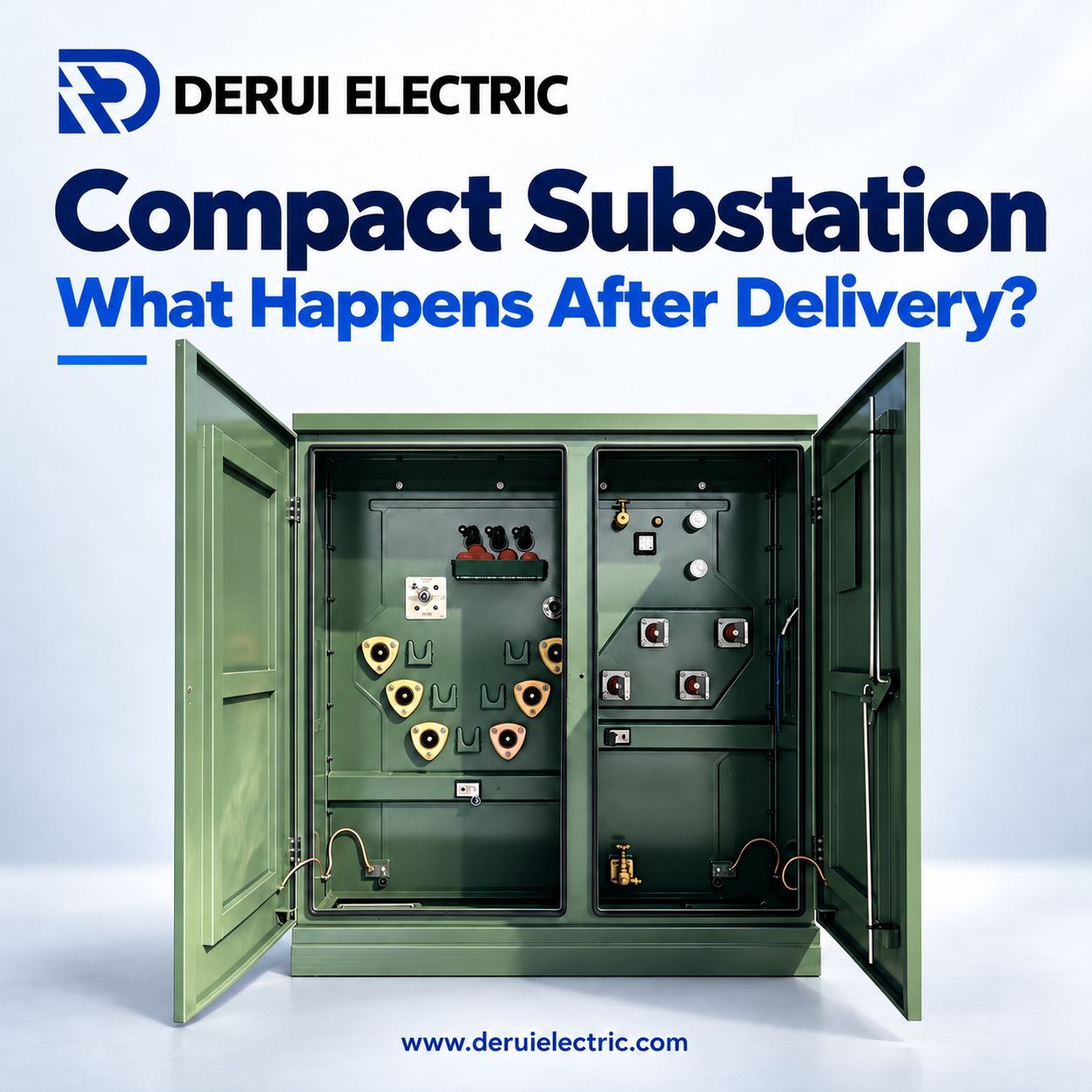
The Substation Has Arrived. What Still Stands Between Delivery and Power?
The Substation Has Arrived.
What Still Stands Between Delivery and Power?
A practical guide to receiving, installation, site checks and the path to energization.
A compact substation has arrived on site. Is it ready to supply power?
Not yet. Factory inspection and shipment are important milestones, but the equipment must still be received, installed, connected and checked on site. The route to energization also depends on the project design and local requirements.
For overseas buyers, the useful question is not simply “When will the substation arrive?” It is “What must be ready when it arrives, and who is responsible for each step?” If you are still deciding how to buy the equipment, start with our guide to compact substations versus separate equipment.
1. Receive the Equipment and Check for Transport Damage
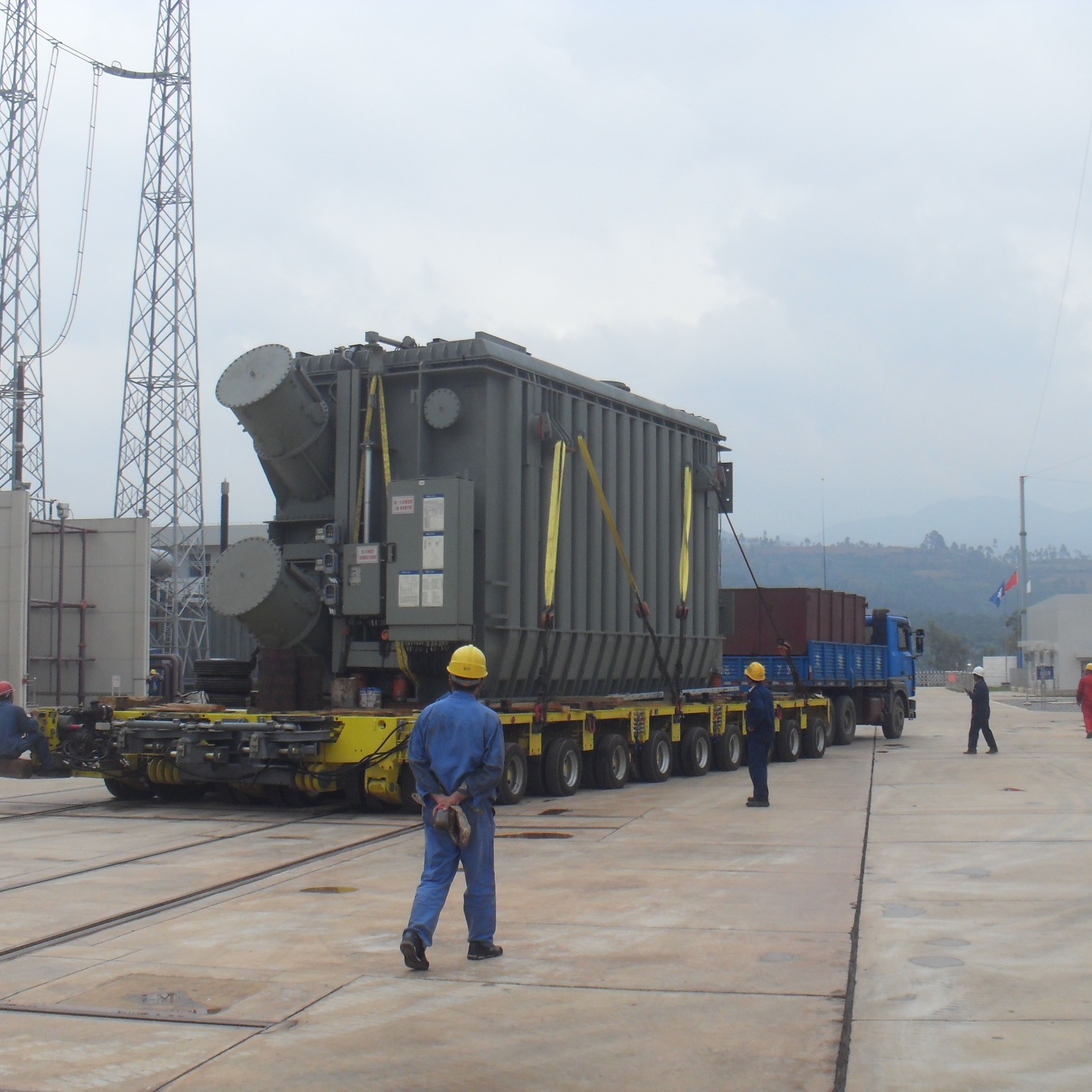
Before installation begins, the site team should inspect the delivered packages and equipment against the packing list. Look for visible damage, missing items and parts removed or packed separately for transport. Record discrepancies promptly, with photographs where appropriate.
The pre-shipment inspection establishes what was approved before dispatch. The arrival check establishes what actually reached the site.
2. Complete the Site Installation
A factory-assembled unit still needs a suitable location, a prepared foundation and the installation work specified for that project. The site team should check the unit’s position, access, ventilation, earthing and any connections that must be restored after transport against the approved drawings and equipment instructions.
An enclosure that fits on the foundation may still cause a delay if its cable entries cannot be used as planned. That is why layout and interface drawings should be agreed before manufacture, then checked again during installation.
3. Connect the Incoming and Outgoing Cables
The compact substation is one part of a wider electrical installation. The medium-voltage incoming supply and low-voltage outgoing circuits must be connected to the site’s cables and equipment.
The answer should appear in the agreed supply scope and drawings. If cable accessories, terminations or metering equipment are supplied separately, the project team needs to coordinate their availability and installation.
4. Complete Site Checks and Close Outstanding Issues
Factory test records show what was checked before shipment. They do not, by themselves, confirm that the delivered equipment and its external connections are ready for service.
Qualified personnel should carry out the inspections and tests required by the project, the applicable equipment instructions and local rules. Depending on the configuration, these may cover earthing continuity, insulation, switchgear operation, interlocks, protection functions and the low-voltage installation. Findings should be recorded and resolved before energization is authorized.
5. Obtain Approval and Prepare for Energization
The final handover may involve the installer, commissioning team, project owner and, where required, the local utility or authority. Approved drawings, test records, protection settings and records of closed issues may be needed for the project’s approval process.
Energization should follow the approved site procedure under the responsible qualified team. Its timing cannot be determined from the equipment delivery date alone: installation progress, test results and local connection requirements also matter.
Plan the Handover Before You Place the Order
The easiest time to clarify site responsibilities is during procurement. Ask what drawings, test records, packing details and installation instructions will be supplied with the equipment. Confirm separately who will provide the foundation, cables, installation, site testing and coordination with the local utility where applicable.
DERUI Electric manufactures distribution transformers and switchgear used in compact substation packages. Share your single-line diagram, project destination and proposed supply scope so the equipment configuration and order documentation can be discussed early.
Discuss Your Compact Substation Project
Send us your single-line diagram or equipment list, project destination and expected supply scope. We will discuss the equipment package and documents relevant to your enquiry.
Contact DERUI Electric