



DERUI ELECTRIC · TRANSFORMER BUYER GUIDE
IP23 alone does not confirm outdoor suitability.
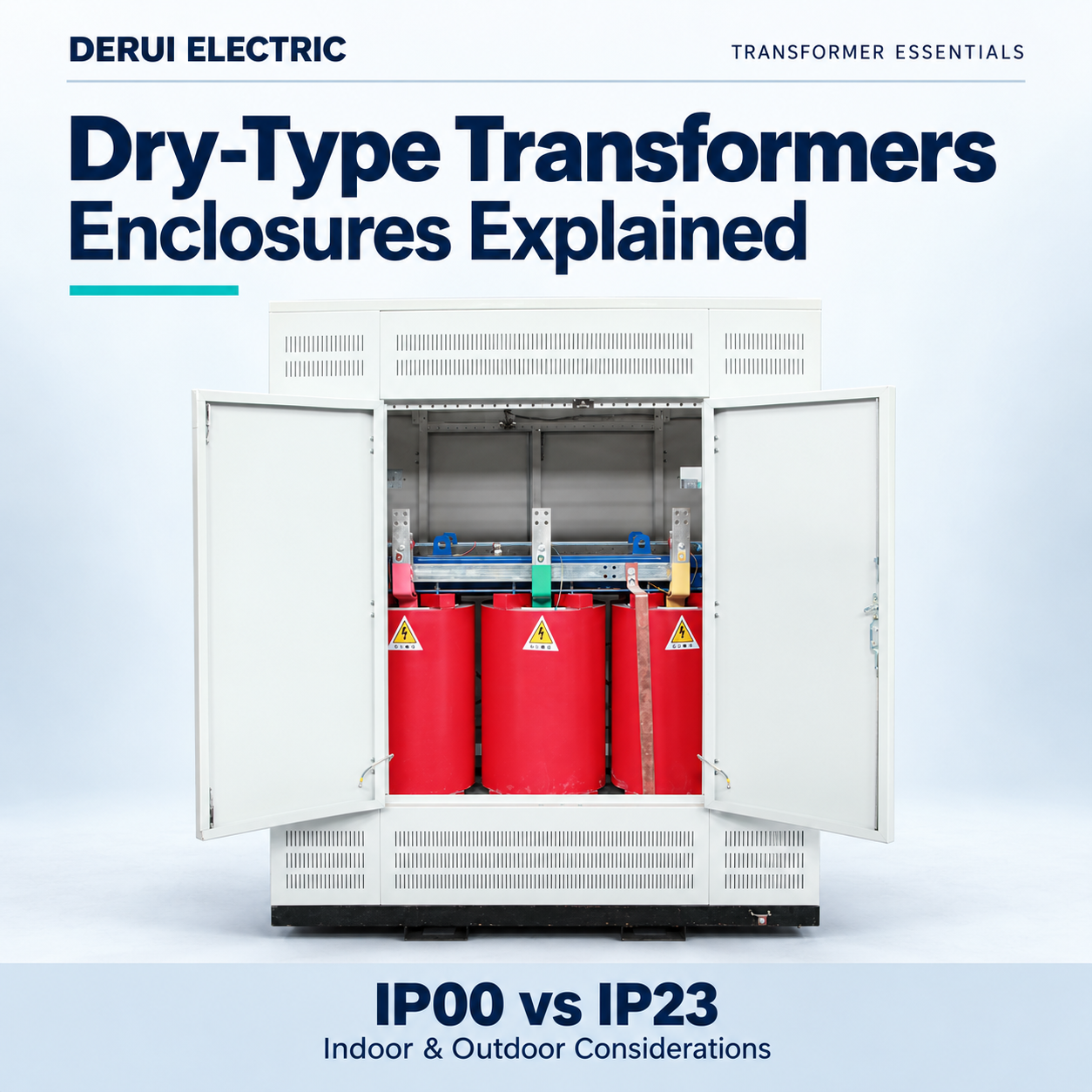
A dry-type transformer enclosure affects protection, cooling and installation space. When comparing IP00 and IP23, check both the protection rating and the intended operating environment of the complete equipment.
IP00 indicates no enclosure protection against access to hazardous parts, solid foreign objects or water under the IP classification. IP23 provides defined protection under specified test conditions. Neither code, by itself, describes the transformer’s electrical insulation performance or confirms suitability for every installation location.
IP00 vs IP23: What Is the Difference?
Under IEC 60529, the two digits in an IP code describe different aspects of enclosure protection. The first concerns access to hazardous parts and solid foreign objects; the second concerns water ingress.
| Protection aspect | IP00 | IP23 |
|---|---|---|
| Access and solid objects | No protection provided by the first digit. | Protection against finger access to hazardous parts and against solid foreign objects 12.5 mm in diameter and larger, under specified test conditions. |
| Water | No water protection provided. | Water sprayed at angles up to 60° either side of vertical shall have no harmful effects under the specified test conditions. |
| Dust | No dust protection specified. | Not a dust-protected or dust-tight rating. |
| Outdoor suitability | Not established by the code. | Not established by the code alone. |
An IP00 transformer is commonly supplied as an unenclosed unit. Its installation must provide the necessary access restrictions, electrical clearances and environmental protection.
An IP23 transformer enclosure adds defined protection. It does not mean that no water can enter, that water-jet cleaning is permitted, or that internal live parts are safe to touch. Doors, panels and cable-entry arrangements must maintain the specified protection when installed.
Can a Dry-Type Transformer Be Installed Outdoors?
Yes, when the complete transformer and enclosure are designed and specified for the outdoor conditions concerned. Adding a metal enclosure to an indoor transformer does not, by itself, establish outdoor suitability.
An outdoor specification should address:
- Weather exposure: direct rain, wind-driven rain and the degree of shelter.
- Moisture: humidity, condensation and conditions during periods when the transformer is de-energized.
- Contamination: airborne dust, salt and corrosive substances.
- Temperature and cooling: ambient temperature, solar exposure and ventilation.
The installation environment matters as much as the IP code. A sheltered location and an exposed coastal site may require different equipment arrangements. Request the manufacturer-declared service conditions and relevant technical documentation for the offered configuration.
How Does an Enclosure Affect Cooling and Dimensions?
For an air-cooled dry-type transformer, the enclosure must allow heat to escape while providing the required protection. Changes to ventilation openings, filters or airflow paths can affect cooling and maintenance requirements.
Adding an enclosure does not automatically require derating. Confirm the declared output of the complete assembly for the specified ambient conditions and cooling arrangement. Do not assume that a bare-unit rating applies unchanged to an independently added enclosure.
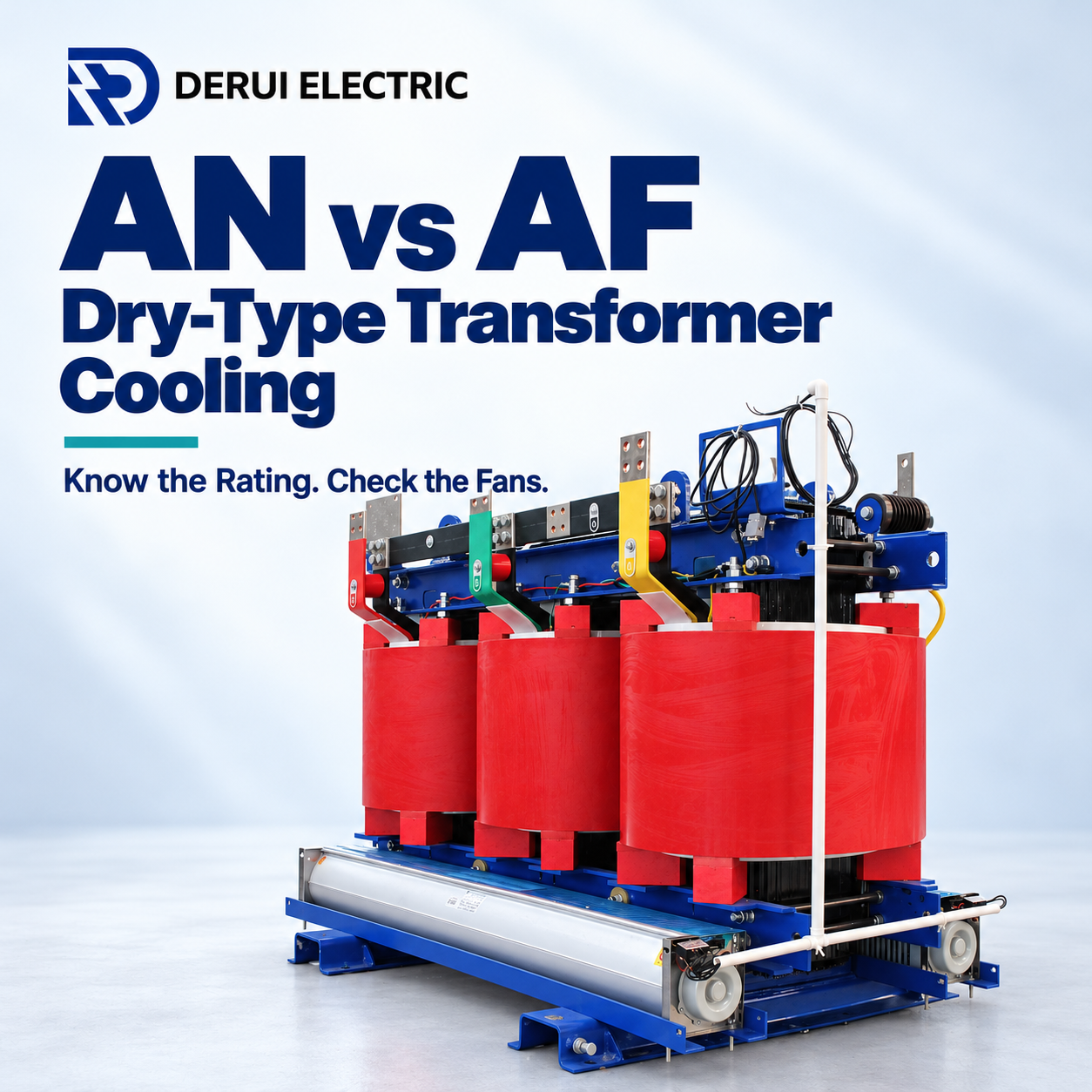
Where separate AN and AF ratings are declared, check the applicable capacity and fan requirements. Our guide to AN and AF cooling ratings explains what buyers should confirm.
Also request the overall dimensions of the enclosed assembly. Bare-transformer dimensions may exclude the enclosure, cable boxes and other accessories. Allow for door opening, ventilation clearances and maintenance access.
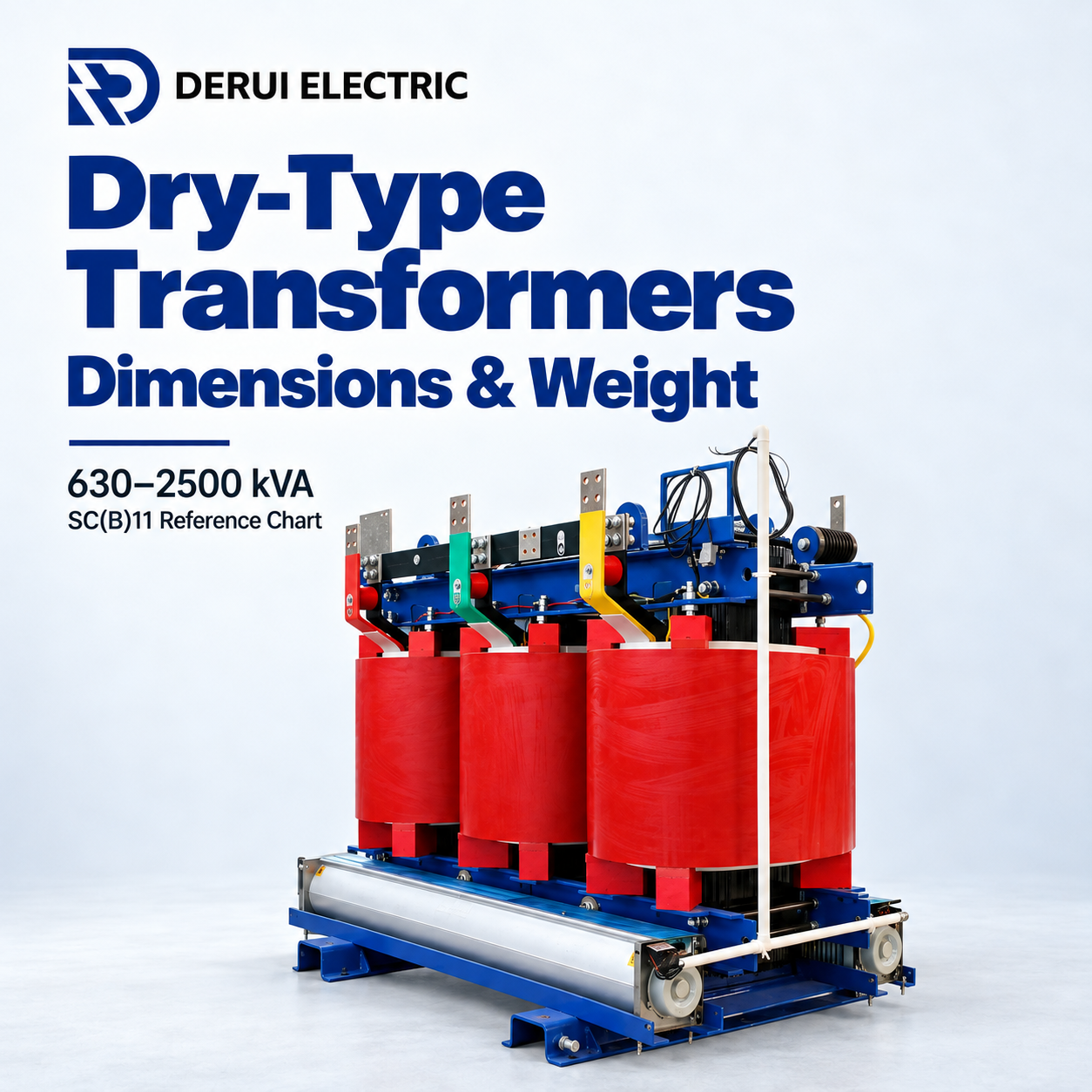
Use the dry-type transformer dimensions and weight guide for initial reference, then confirm the project drawing, operating weight and shipping dimensions.
What Should Buyers Confirm Before Ordering?
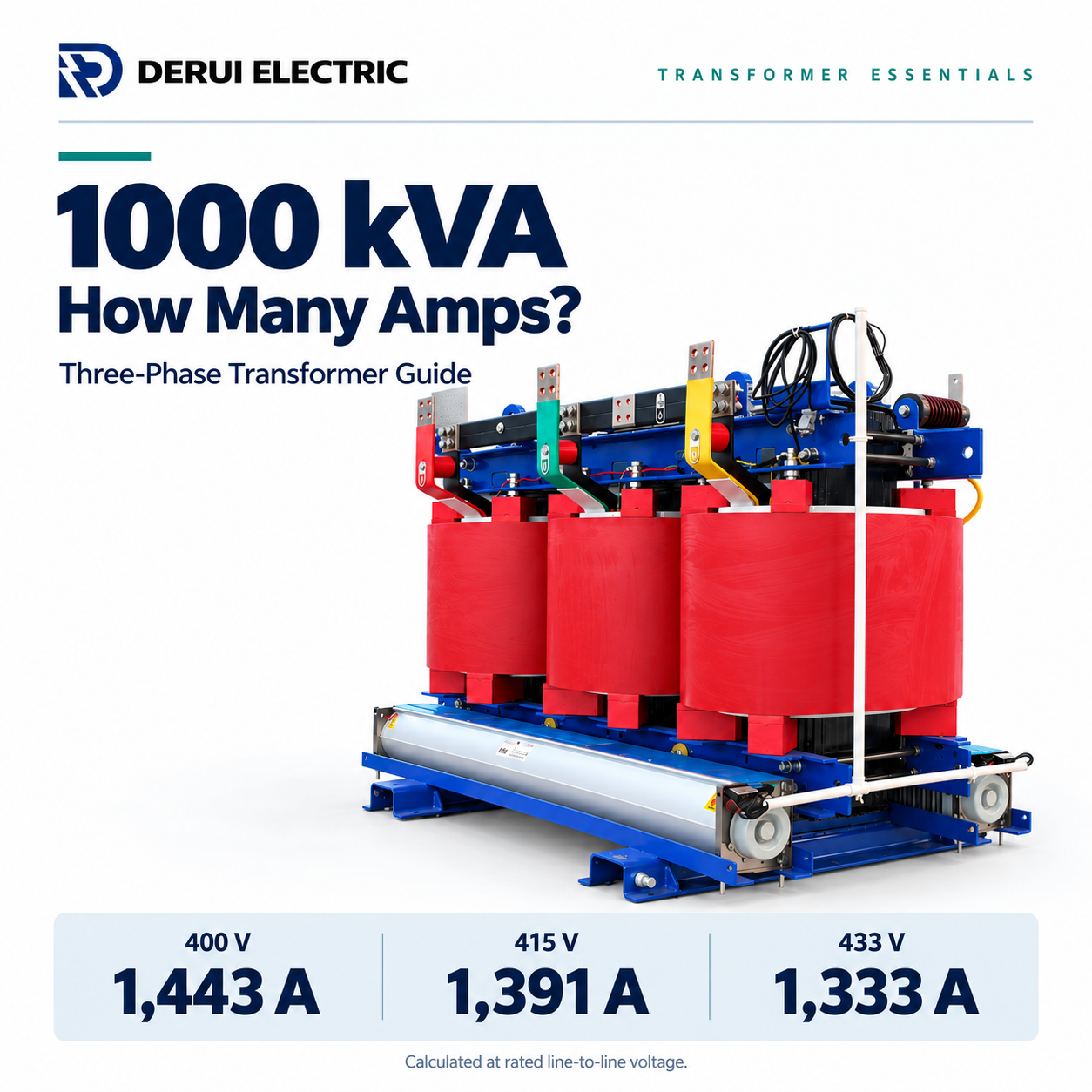
A quotation stating only “1000 kVA dry-type transformer, IP23” leaves several questions unanswered. Confirm the following details before comparing offers.
| Check | What to request |
|---|---|
| Supply scope | Confirmation that the enclosure is included, with separately supplied accessories identified. |
| Installation environment | Manufacturer-declared indoor or outdoor service conditions and supporting technical documentation. |
| Cooling and capacity | Rated output for the enclosed configuration, cooling method and ventilation requirements. |
| Layout and connections | Overall drawing, cable-entry positions, connection arrangement and access space. |
| Installation details | Earthing provisions, assembly instructions and requirements for maintaining the specified enclosure protection. |
Provide these details early. A photograph or layout of the proposed installation area can help clarify restrictions that a capacity-and-voltage enquiry does not show.
Discuss Your Installation Requirements with DERUI
When enquiring about DERUI’s cast-resin dry-type transformers, include the required capacity, primary and secondary voltages, frequency, installation location and enclosure requirements.
If the protection rating has not yet been specified, describe the actual environment and available space. This gives the quotation discussion a clearer starting point and helps identify which configuration details need confirmation.
Technical reference: Rittal’s explanation of IP protection categories under IEC 60529. The comparison above explains IP codes and does not certify a specific DERUI configuration.
Planning a Dry-Type Transformer Installation?
Share your electrical specifications, installation environment and available space with DERUI Electric to discuss your quotation requirements.
Request a Transformer Quote