





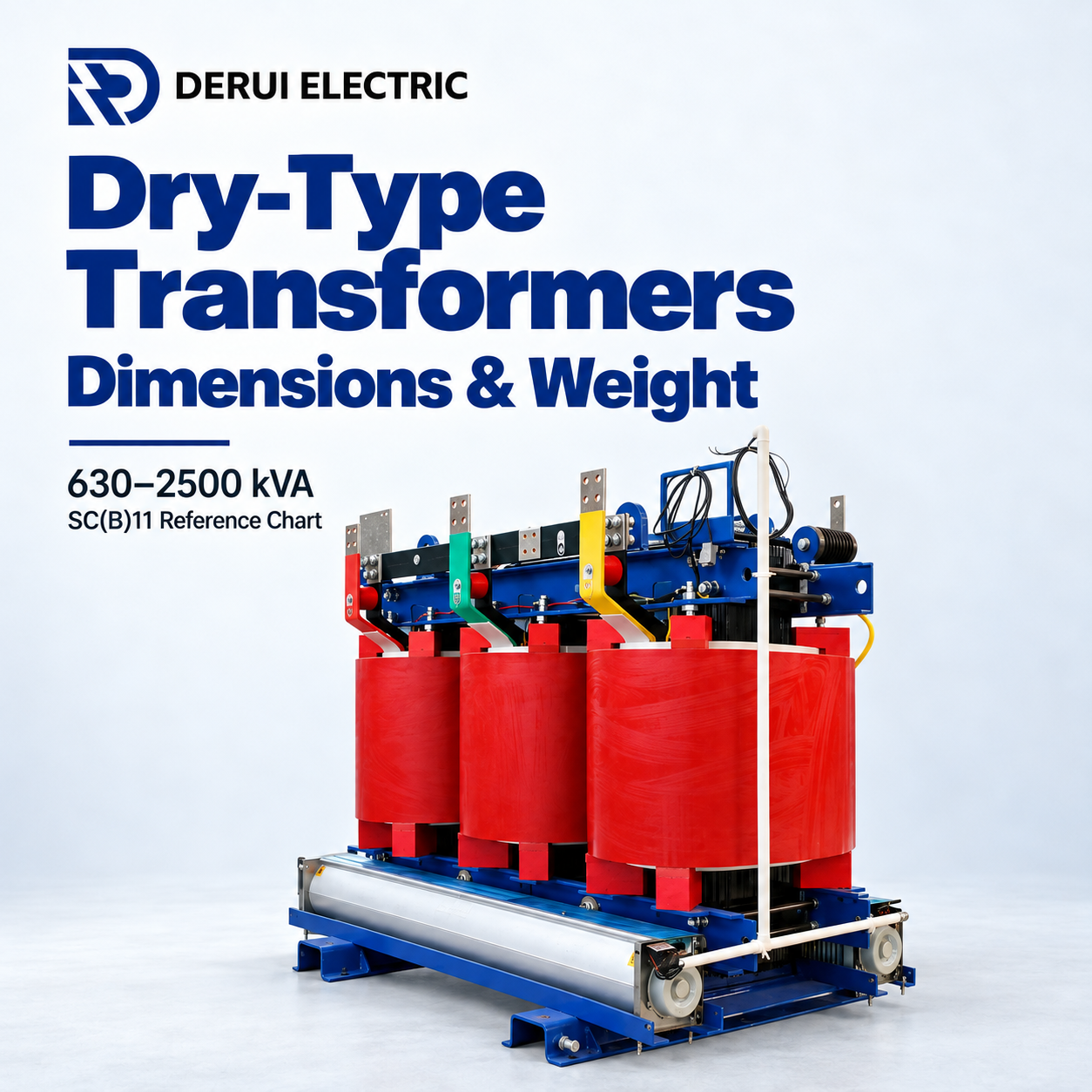
Dry-Type Transformer Dimensions and Weight: 630–2500 kVA Reference Chart
DERUI ELECTRIC · DRY-TYPE TRANSFORMER BUYER GUIDE
Check the dimensions. Confirm the weight. Plan the delivery.
Will the transformer pass through the electrical room entrance? Is the available space sufficient? What needs to be arranged for transport and lifting? These questions start with the dimensions and weight of the specified model.
Dry-type transformer capacity is expressed in kVA, but capacity alone does not determine equipment size. Transformers with the same rated capacity can have different dimensions and weights because their models, voltage ratings and configurations differ.
DERUI Electric manufactures cast-resin dry-type transformers for industrial and commercial power distribution. This guide brings together our published SC(B)11 reference data to help buyers make an initial assessment of equipment space, delivery routes and handling requirements.
Dry-Type Transformer Dimensions and Weight: 630–2500 kVA
Dimensions below are listed as length × width × height in millimetres. Weight is listed in kilograms.
| Rated Capacity | Model | L × W × H | Reference Weight |
|---|---|---|---|
| 630 kVA | SC(B)11-630/10 | 1250 × 800 × 1500 mm | 1900 kg |
| 800 kVA | SC(B)11-800/10 | 1330 × 800 × 1540 mm | 2200 kg |
| 1000 kVA | SC(B)11-1000/10 | 1400 × 960 × 1640 mm | 2750 kg |
| 1250 kVA | SC(B)11-1250/10 | 1450 × 960 × 1690 mm | 3300 kg |
| 1600 kVA | SC(B)11-1600/10 | 1560 × 960 × 1930 mm | 4000 kg |
| 2000 kVA | SC(B)11-2000/10 | 1680 × 960 × 1930 mm | 4800 kg |
| 2500 kVA | SC(B)11-2500/10 | 1720 × 1010 × 1950 mm | 5500 kg |
Source: DERUI SC(B)11 published technical specifications.
Scope of this reference: These figures apply to the listed models and should not be transferred directly to SCB14, SCB18 or another manufacturer’s products. The original table does not specify whether enclosures or packaging are included. Final dimensions, weight and supply configuration should follow the manufacturer’s approved outline drawing and order documentation.
Understanding the 1000 kVA and 1600 kVA Dimensions
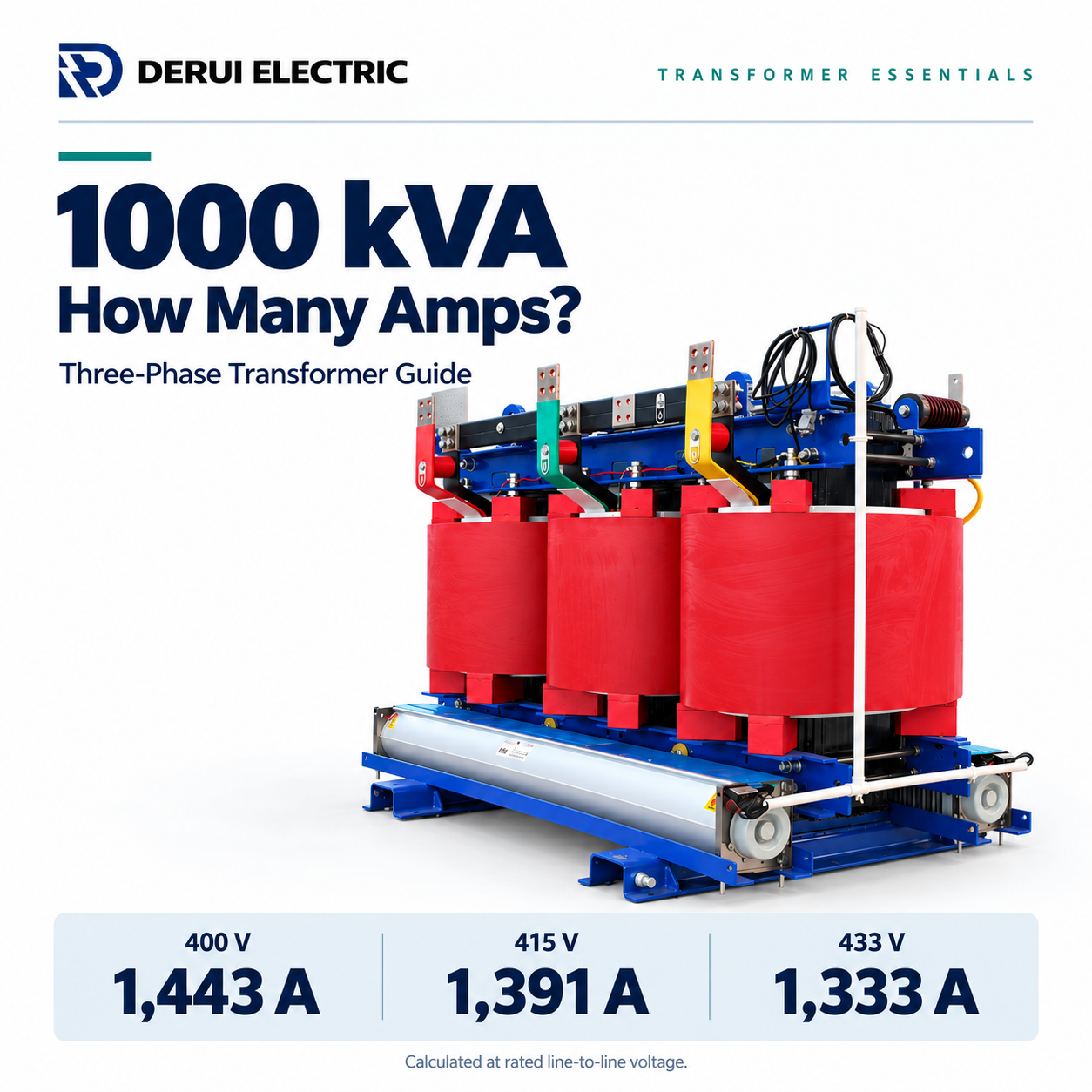
For the SC(B)11-1000/10, the published reference dimensions are 1400 × 960 × 1640 mm: approximately 1.40 metres long, 0.96 metres wide and 1.64 metres high. Its reference weight is 2.75 tonnes.
These figures help buyers make an initial comparison with door openings, delivery routes and electrical room space. They do not describe the entire handling arrangement. The height on a transport skid, packing width and orientation during entry require separate confirmation.
The SC(B)11-1600/10 has reference dimensions of 1560 × 960 × 1930 mm and a weight of 4 tonnes. Compared with the listed 1000 kVA model, its width is unchanged, while its length, height and weight increase.
Transformer dimensions do not increase in a fixed proportion to capacity. A 1000 kVA unit’s dimensions cannot simply be scaled up to estimate a 1600 kVA or 2000 kVA transformer. Check the data for the required model.
Why Can Transformers with the Same Capacity Have Different Sizes?
The same kVA rating means the same rated apparent power. It does not establish an identical equipment design.
- Voltage and insulation requirements: Voltage ratings and insulation levels can affect winding construction and insulation clearances.
- Winding material and design: Copper or aluminium conductors and different winding arrangements can produce different equipment dimensions.
- Guaranteed losses and temperature rise: Core and winding designs may change to meet specified performance requirements.
- Enclosures, fans and terminals: Additional equipment and connection arrangements can change the overall envelope and transport requirements.
Before comparing dimensions from two suppliers, confirm that the figures cover equivalent electrical requirements and supply configurations. A smaller size alone does not establish better performance or suitability for the project.
If the Transformer Fits, Is the Installation Space Sufficient?
The surrounding working space still needs to be checked. Equipment dimensions describe the transformer’s envelope; the electrical room also needs space for ventilation, connections, inspection and maintenance.
| Item to Check | Why It Affects the Layout |
|---|---|
| Ventilation | The room and enclosure must support the equipment’s cooling requirements. |
| HV and LV connections | Cable bends, terminal connections or busduct interfaces require space. |
| Enclosure doors and access | Doors, panels and inspection points need to remain accessible. |
| Mounting dimensions | The base, fixing holes or rails must match the foundation arrangement. |
| Future replacement route | Consider how the equipment could be removed or replaced after installation. |
These requirements cannot be determined from length, width and height alone. A single clearance allowance should not be applied to every project. Complete the layout using the equipment’s installation instructions, approved drawings and applicable project requirements.
Confirm Packing Dimensions and Gross Weight for Transport
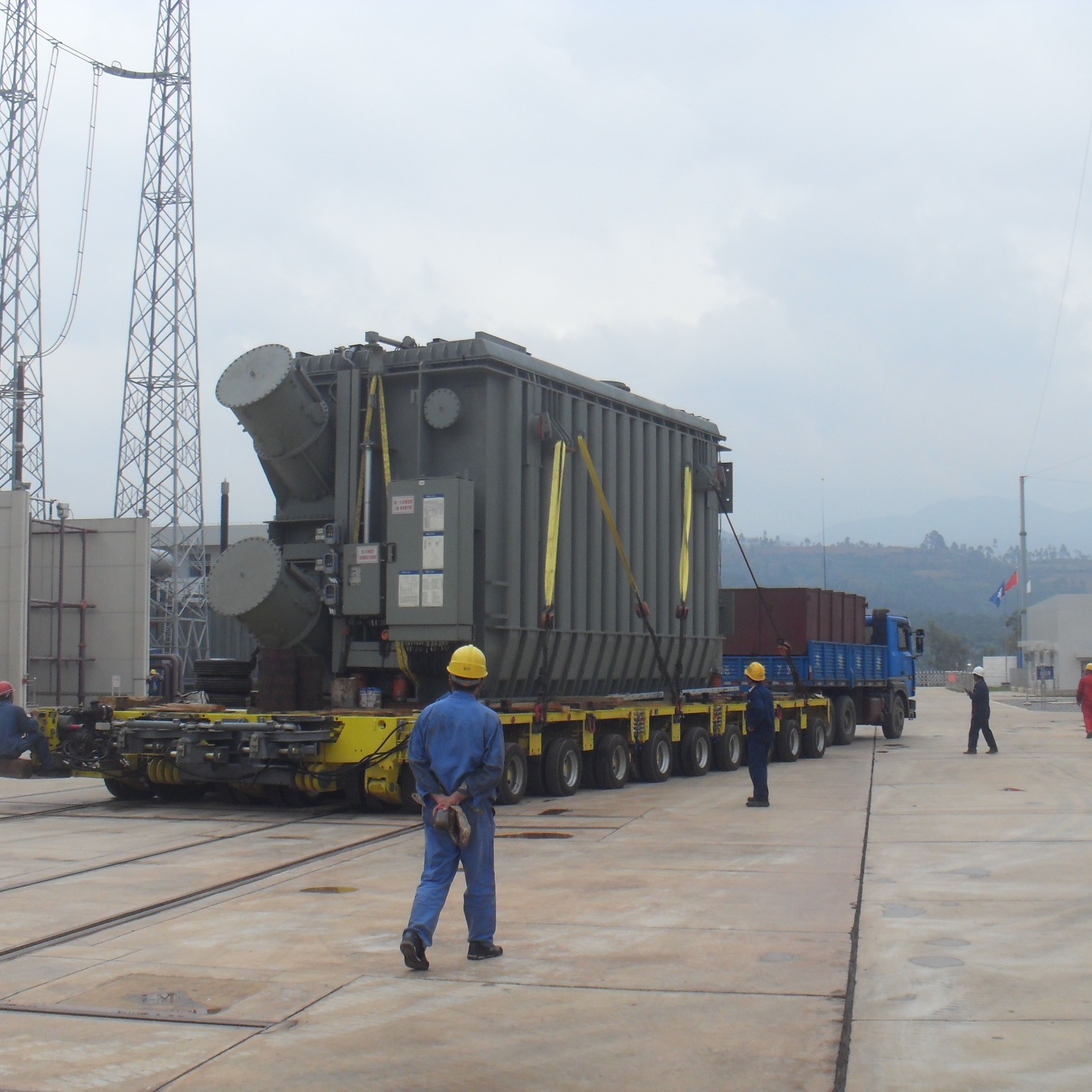
Product reference weight and shipping gross weight may differ. Gross weight can include the crate, skid and packed accessories, while the shipping package may be larger than the equipment. If accessories are packed separately, confirm the dimensions and weight of each package.
Overseas buyers should review:
- Package count, dimensions and gross weight.
- Vehicle or container loading arrangements.
- Entrance dimensions, route width, overhead clearance and turning space.
- Whether unloading and lifting equipment meets the confirmed handling requirements.
- Where packaging will be removed and how the transformer will reach its installation position.
Transport planning should use confirmed packing information. Lifting arrangements also require the equipment’s designated lifting points and handling instructions; product weight alone is insufficient.
Documents to Request Before Ordering
If installation space or the delivery route is already fixed, include those restrictions in the enquiry so the supplier can check the proposed configuration.
| Document or Information | Purpose |
|---|---|
| Technical data sheet | Confirm capacity, voltage, frequency and principal performance requirements. |
| Outline drawing | Check equipment dimensions, terminal locations and enclosure scope. |
| Mounting drawing | Check base dimensions, fixing holes or rail positions. |
| Equipment weight and handling instructions | Plan foundation loading, unloading and lifting. |
| Packing dimensions and gross weight | Plan transport, loading and site receipt. |
Reference information can support the initial quotation discussion. Drawings used for foundation construction, connections and installation should match the confirmed order configuration.
Frequently Asked Questions
What are the dimensions of a 1000 kVA dry-type transformer?
DERUI’s published SC(B)11-1000/10 reference dimensions are 1400 × 960 × 1640 mm, with a reference weight of 2750 kg. These figures apply to that model, not to every 1000 kVA dry-type transformer.
Can this chart be used for a transformer with an enclosure?
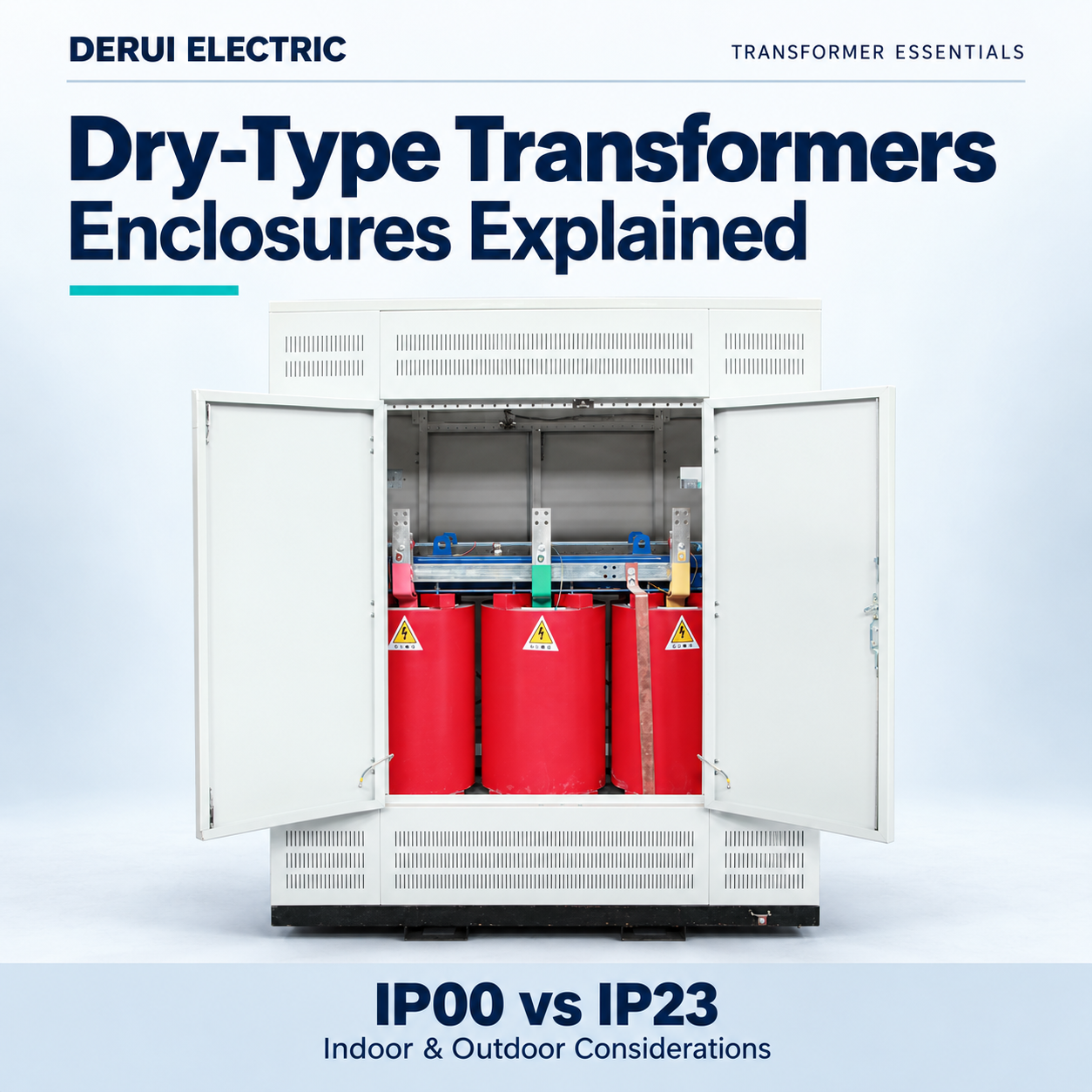
First confirm whether the listed dimensions include the required enclosure. If an enclosure forms part of the supply, check its overall dimensions, door opening direction, connection locations and ventilation requirements separately.
What information is needed to request an outline drawing?
Provide capacity, primary and secondary voltages, frequency, model and enclosure requirements. Include electrical room dimensions, entrance restrictions and cable or busduct connection requirements where available.
Request an Outline Drawing and Quote
Send DERUI your equipment specifications and available installation space. Request the corresponding outline drawing and confirm equipment, enclosure and shipping information during the quotation stage.
Request a Drawing & Quote