




AI Servers Are Waiting 4 Months for a Transformer: The Real Cause of the Shortage | Derui Electric
At a smart computing project in Nantong, Jiangsu Province, a batch of AI servers has been sitting in a warehouse for more than four months.
Not because of a chip shortage. Not because of construction delays. Not because of financing problems.
The servers are waiting for a transformer.
By the end of August, the storage fees alone had exceeded 100,000 RMB. The equipment was fully assembled, tested, and shipped. But it cannot be powered on until a specialty transformer arrives and is installed.
This is not an isolated case. Across China's AI infrastructure buildout, a pattern is repeating: servers arrive before the power infrastructure is ready. The final link in the chain—the transformer—has become the slowest and most unpredictable component.
The question worth asking is not “why is there a transformer shortage.” It is “why is this particular transformer so hard to get, while other transformers are not?”
Key Takeaways
- ✓ AI servers in Nantong have been waiting over four months for specialty transformers, with storage costs exceeding 100,000 RMB.
- ✓ The shortage is structural, not general. Standard dry-type transformers deliver in 2–3 months. AI-specific low-harmonic specialty transformers take far longer.
- ✓ Specialty transformer capacity is being competed for by three demands: ultra-high-voltage grid projects, renewable energy integration, and high-premium overseas orders.
- ✓ Global lead times for generator step-up transformers exceeded 160 weeks by Q1 2026.
- ✓ The real bottleneck is procurement planning, not manufacturing capacity.
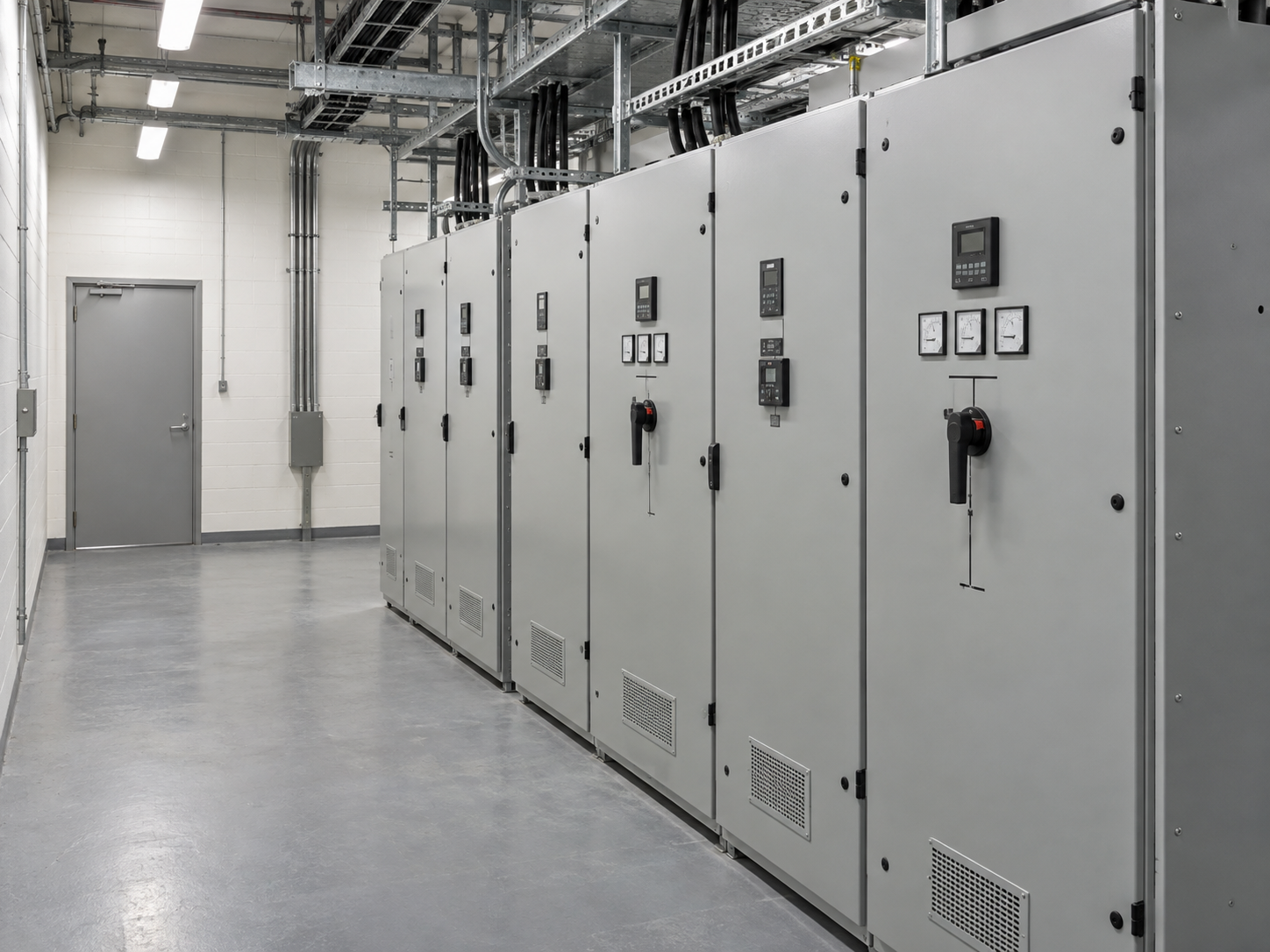
The transformer is the slowest link in AI infrastructure.
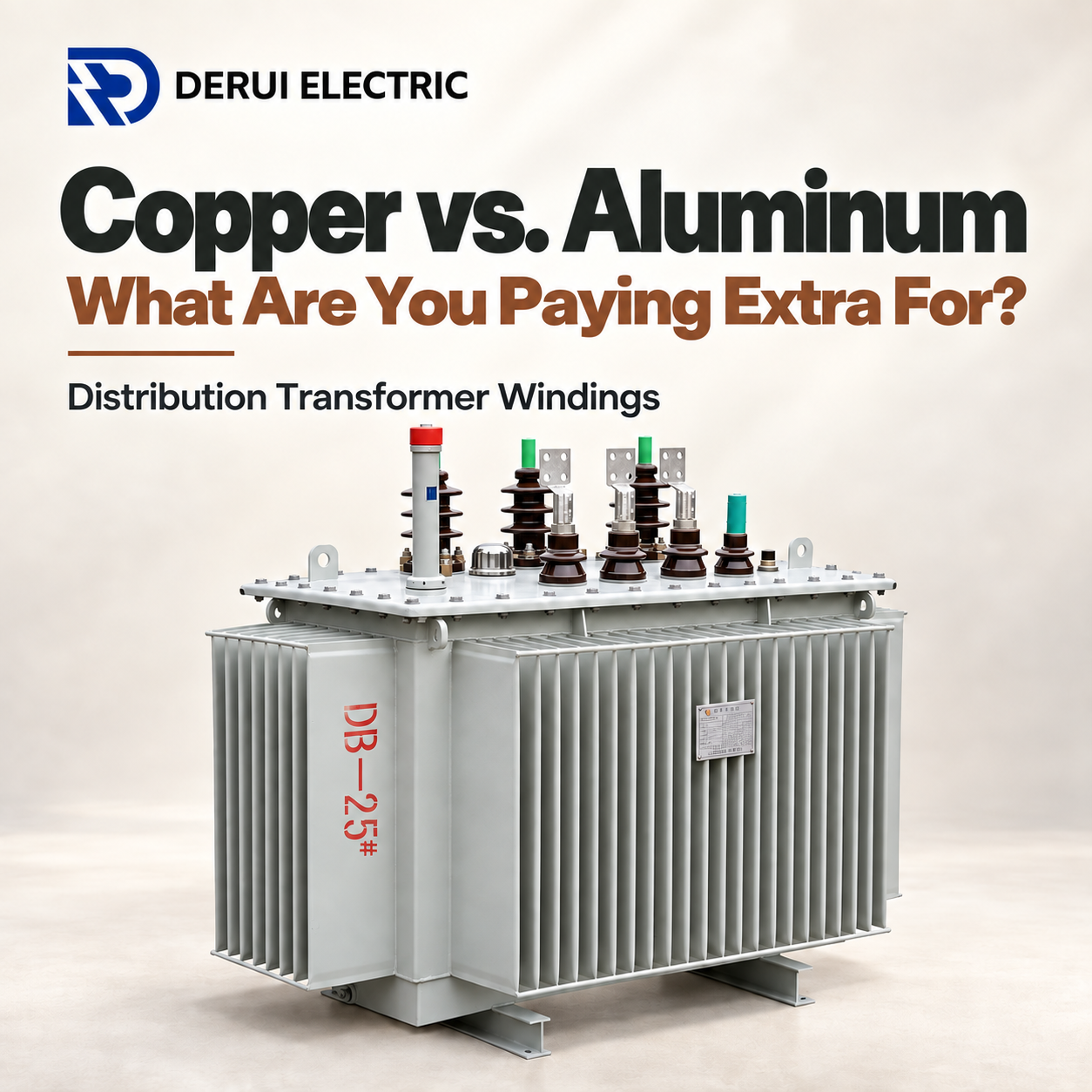
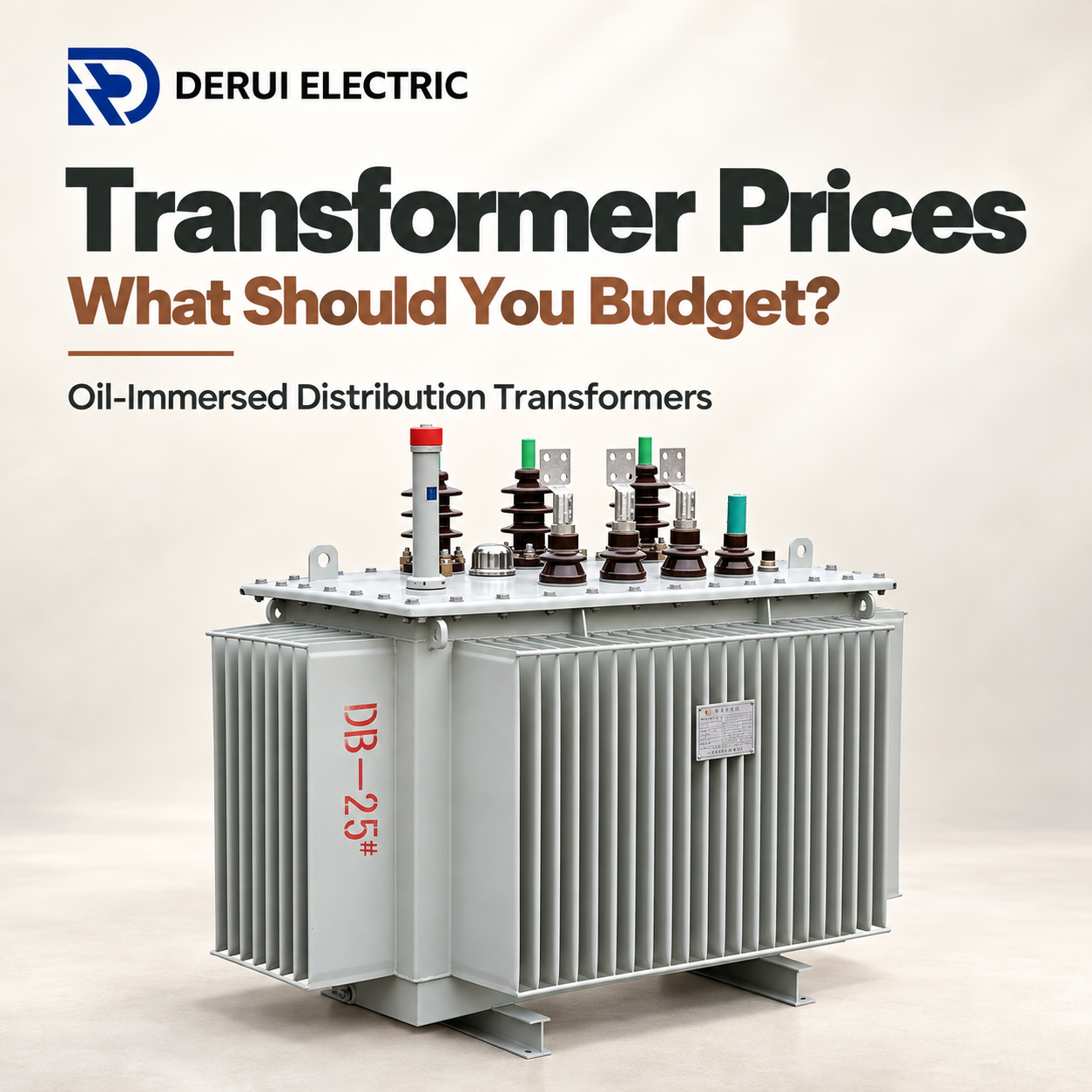
AI racks demand 30–100 kW per cabinet and fluctuate dramatically. Standard transformers cannot simply be scaled up—they must be re-engineered for the harmonic profile of GPU loads.
It’s Not a General Shortage — It‘s a Structural One
The most important thing to understand is that the shortage is not uniform.
A source at a leading dry-type transformer manufacturer explained the distinction: standard dry-type transformers have a delivery cycle of 2 to 3 months, prices are stable, and production line utilization is reasonable. The shortage is concentrated in a specific category: low-harmonic, high-capacity specialty transformers designed for AI computing environments.
AI racks operate at 30 to 100 kW per cabinet, compared to the few kilowatts typical of traditional server racks. GPU loads fluctuate instantaneously and dramatically. The power supply must be extremely stable to prevent training interruptions or hardware damage.
This means the transformer cannot simply be a larger version of a standard unit. The windings and core need to be re-simulated and re-designed for the specific harmonic profile and load behavior of the GPU cluster. The production lines that can build these specialty units are limited—and they are already at capacity.
One industry source put it bluntly: “The market is not short of transformers across the board. It’s a clear structural split.”
Three Demands Competing for the Same Production Capacity
Specialty transformer production lines are being pulled in three directions simultaneously.
First: Ultra-high-voltage grid projects. China’s national UHV projects are strategic infrastructure with policy-level priority in production scheduling. These orders take precedence over everything else.
Second: Renewable energy integration. Solar and wind farms require step-up transformers to connect to the grid. With China‘s renewable buildout continuing at scale, this demand is steady and growing.
Third: Overseas orders at premium prices. Chinese transformer manufacturers are seeing explosive overseas demand. JInpan Technology, the country’s leading dry-type transformer maker, reported overseas new orders of 4.19 billion RMB in the first half of 2026, up 270.69% year-on-year. Overseas orders now account for 58.32% of its total order book.
When these three demand streams overlap, the remaining capacity for domestic AI computing projects is limited. A source at a large transformer company said some smart computing projects were delayed by 4 to 8 months solely because of transformer manufacturing and delivery scheduling.
“It’s not that the factory can‘t build the main transformer a computing center needs,” the source said. “It’s that the production slots were already taken by orders that became effective earlier.”
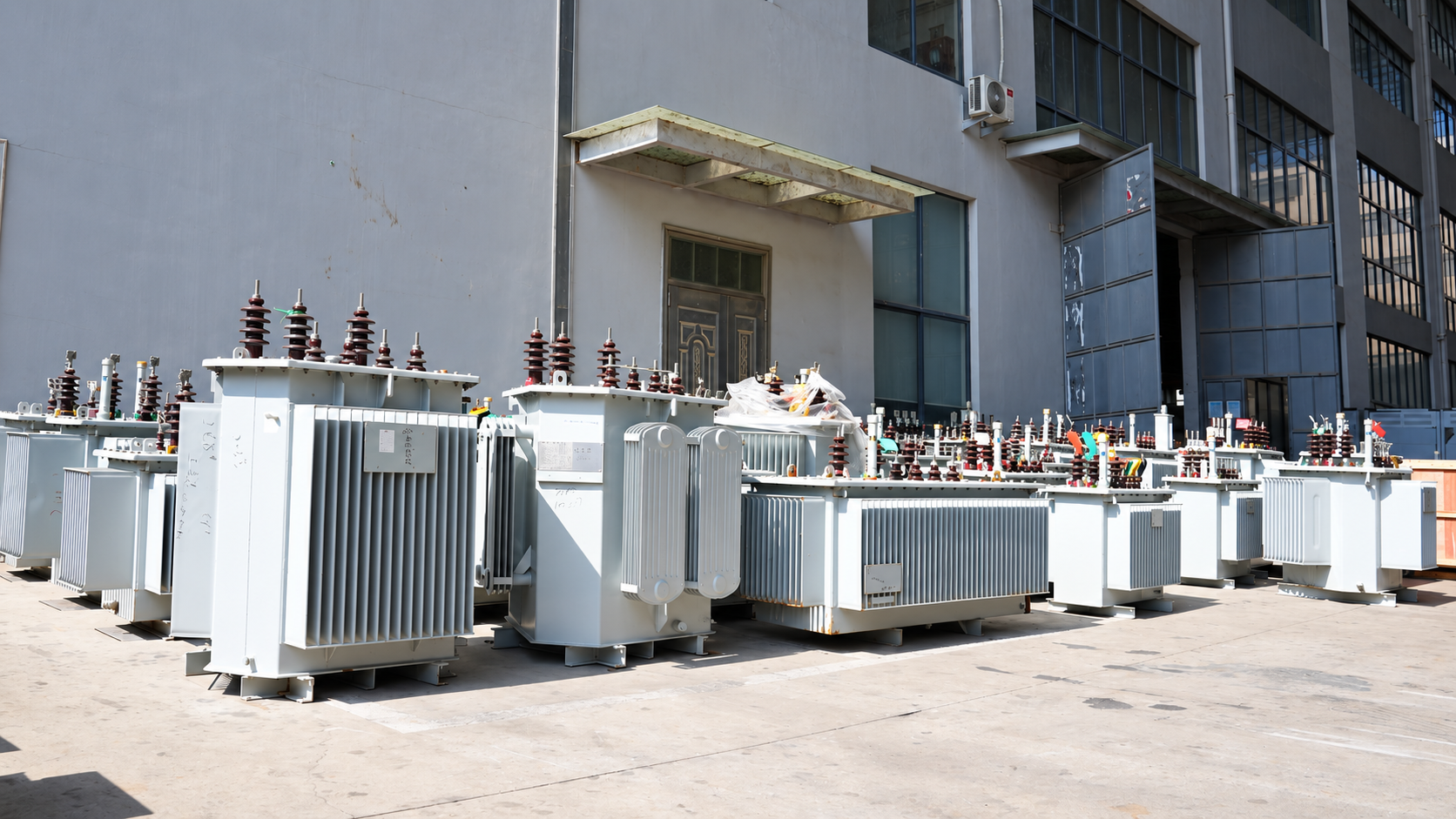
Specialty transformer capacity is the bottleneck, not general manufacturing.
Low-harmonic, high-capacity units require re-engineered windings and cores—and the production lines that can build them are limited.
The Global Picture — This Is Not Just a China Problem
The transformer bottleneck is global.
In the United States, generator step-up transformer lead times exceeded 160 weeks by the first quarter of 2026, compared with an average of 143 weeks in 2024. High-voltage circuit breaker lead times climbed to 125 weeks in the second half of last year, up from 77 weeks in 2023.
Wood Mackenzie estimates that power transformers are in an estimated market shortage of 15% in 2026. Data centers‘ share of the U.S. electrical equipment market could swell to 40% under accelerated scenarios, from just under 2% in 2020.
“Equipment availability is becoming the biggest concern for developers,” said Ben Boucher, senior analyst at Wood Mackenzie.
The U.S. is also dealing with policy complications. Executive Order 14420, signed in August 2026, bans imported bulk-power equipment from certain nations, particularly China. Wood Mackenzie warned this could “further exacerbate the supply chain challenges,” especially in the 100 MVA+ segment where data centers have relied on Chinese manufacturers to manage lead times.
What This Means for Data Center Procurement
The Nantong case reveals a fundamental shift in how data center projects must be planned.
The transformer is no longer a late-stage procurement item. It is one of the earliest decisions in a project’s schedule. If the transformer order is placed after construction begins or after servers are ordered, the project will almost certainly face delays.
“Slot reservation” is becoming standard practice. Industry sources describe a common approach: companies sign framework agreements with two or three transformer manufacturers, paying a small deposit to reserve potential production capacity. Once approvals and financing are confirmed, they select one manufacturer for a formal contract.
This is a rational response to a market where production slots are scarce and first-come, first-served.
Overseas orders have a structural advantage. JInpan Technology acknowledged that overseas customers often sign long-term framework agreements with higher prepayment ratios. “When multiple large orders overlap in schedule,” the company said, “domestic projects can be pushed back.”
What Should Procurement Teams Do Now?
For data center developers, EPC contractors, and industrial buyers planning AI-adjacent projects:
- Start transformer discussions during feasibility. Early engagement allows manufacturers to review capacity, voltage, harmonic profile, and installation requirements before specifications are locked.
- Distinguish between standard and specialty transformer lead times. Do not assume a specialty unit will follow the same timeline as a standard dry-type transformer.
- Lock in production capacity with a framework agreement. A small deposit can reserve a production slot. The cost is negligible compared to a delayed project.
- Confirm harmonic and thermal profile before ordering. AI GPU loads are not standard industrial loads. Specify for the actual harmonic spectrum and load behavior.
- Plan for phased energization. If full capacity cannot be secured at once, power the most critical loads first.
Conclusion: A Procurement Planning Problem, Not Just a Manufacturing Problem
The Nantong servers are not waiting because factories cannot build transformers. They are waiting because the specific transformers they need were not ordered early enough to secure a production slot.
Global transformer lead times are measured in years, not months. Data center construction cycles are measured in months, not years. That gap is the real bottleneck.
The projects that succeed will be those that treated the transformer as a schedule-critical asset from day one.
Planning a data center or AI infrastructure project?
Send us your capacity, voltage, and harmonic requirements. Our engineering team will provide a delivery assessment within 48 hours.
Get a Delivery Assessment →IEC 60076 certified · Full type test reports · Written loss guarantees
Sources: Industry interviews, JInpan Technology financial reports, Wood Mackenzie, U.S. Executive Order 14420, Reuters.
Frequently Asked Questions (FAQ)
Q1: Why are AI data centers facing a specialty transformer shortage?
A: AI racks demand 30–100 kW per cabinet with rapid load fluctuations. Standard dry-type transformers cannot simply be scaled up—they must be re-engineered for the specific harmonic profile of GPU loads. The production lines that can build these specialty units are limited and already at capacity.
Q2: How long does a specialty transformer take to deliver?
A: Standard dry-type transformers deliver in 2–3 months. Specialty low-harmonic, high-capacity units take significantly longer, depending on design complexity and current production queue.
Q3: What is “slot reservation” and why is it becoming common?
A: Slot reservation means signing a framework agreement with a transformer manufacturer and paying a small deposit to reserve potential production capacity. It is a rational response to a market where production slots are scarce and allocated on a first-come, first-served basis.
Q4: Is the transformer shortage a global problem?
A: Yes. U.S. generator step-up transformer lead times exceeded 160 weeks by Q1 2026. Wood Mackenzie estimates a 15% shortage in power transformers globally.