






EV Charging Is Moving Beyond Big Cities. Can the Grid Keep Up?
EV Charging Is Moving Beyond Big Cities. Can the Grid Keep Up?
As charging networks expand into smaller cities and highway corridors, the less visible challenge may be the electrical infrastructure behind every charger.
A highway service area has the traffic.
A smaller city has growing demand for EV charging.
A charging network is ready to expand.
But before any of these locations can serve drivers, the site needs one essential connection:
A reliable connection to the grid.
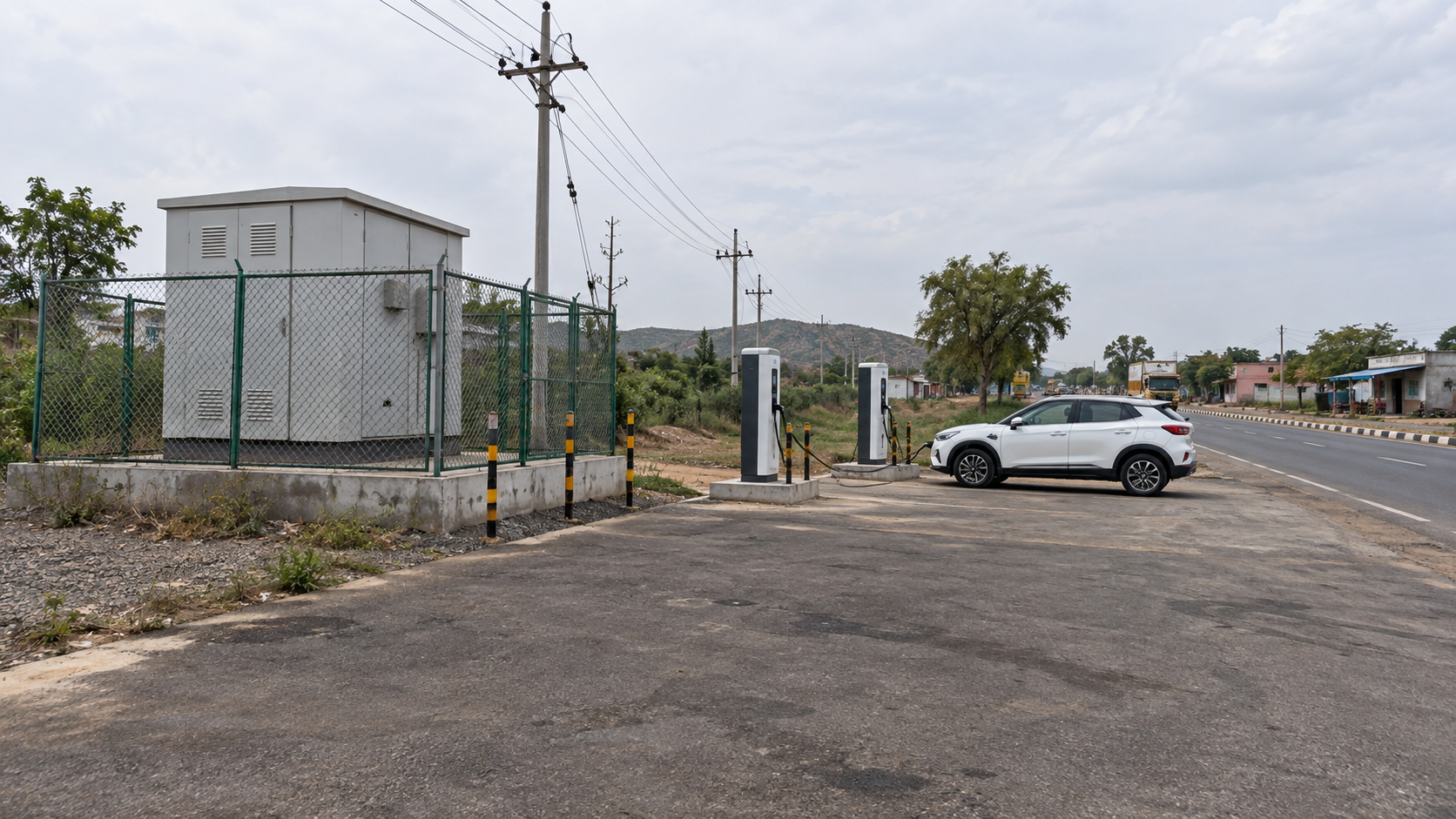
The charger is the part drivers see. Behind it are the utility connection, switchgear, transformers, cables and low-voltage distribution equipment that deliver electricity to the charging point.
As charging networks move beyond major metropolitan areas, this supporting infrastructure becomes part of the expansion story.
Charging Networks Are Expanding Beyond Major Cities
The shift is already visible in several markets.
In a September 7 report, Financial Express described Tata Power’s expansion into smaller Indian cities and highway corridors.
The company identified grid connection timelines, charging density and access to suitable land as constraints on faster deployment.
+
Suitable Sites
+
Sufficient Charging Demand
This shows why expanding a charging network is not simply a matter of installing more chargers. Each new location must connect to a local electrical system with its own available capacity, construction schedule and utility requirements.
Why the Grid Side Deserves Early Attention
The U.S. Department of Energy recommends involving the utility early and considering both near-term and future charging requirements.
Some locations may be able to use an existing low-voltage supply. Larger charging sites may require a new utility connection and additional distribution infrastructure. The final answer depends on the local network and the electrical design.
Confirm the capacity and connection conditions of the local grid.
Consider whether the site will add more charging points in later phases.
Coordinate equipment delivery with civil works, cabling and commissioning.
Smaller cities and highway sites may develop in stages. An operator can begin with a limited number of charging points and expand as traffic grows.
If the electrical layout has already considered that planned expansion, later construction can be easier to coordinate.
The Infrastructure Behind the Charger
The charger is the most visible part of a station, but electricity may first pass through several layers of distribution equipment.
Connects the required distribution voltage level to the site system.
Supports incoming, feeder, metering and protection functions.
Delivers power from the transformer to the charging equipment.
The arrangement varies from one project to another. Equipment ratings and the final system design should be determined by the utility, electrical designer or EPC contractor before procurement.
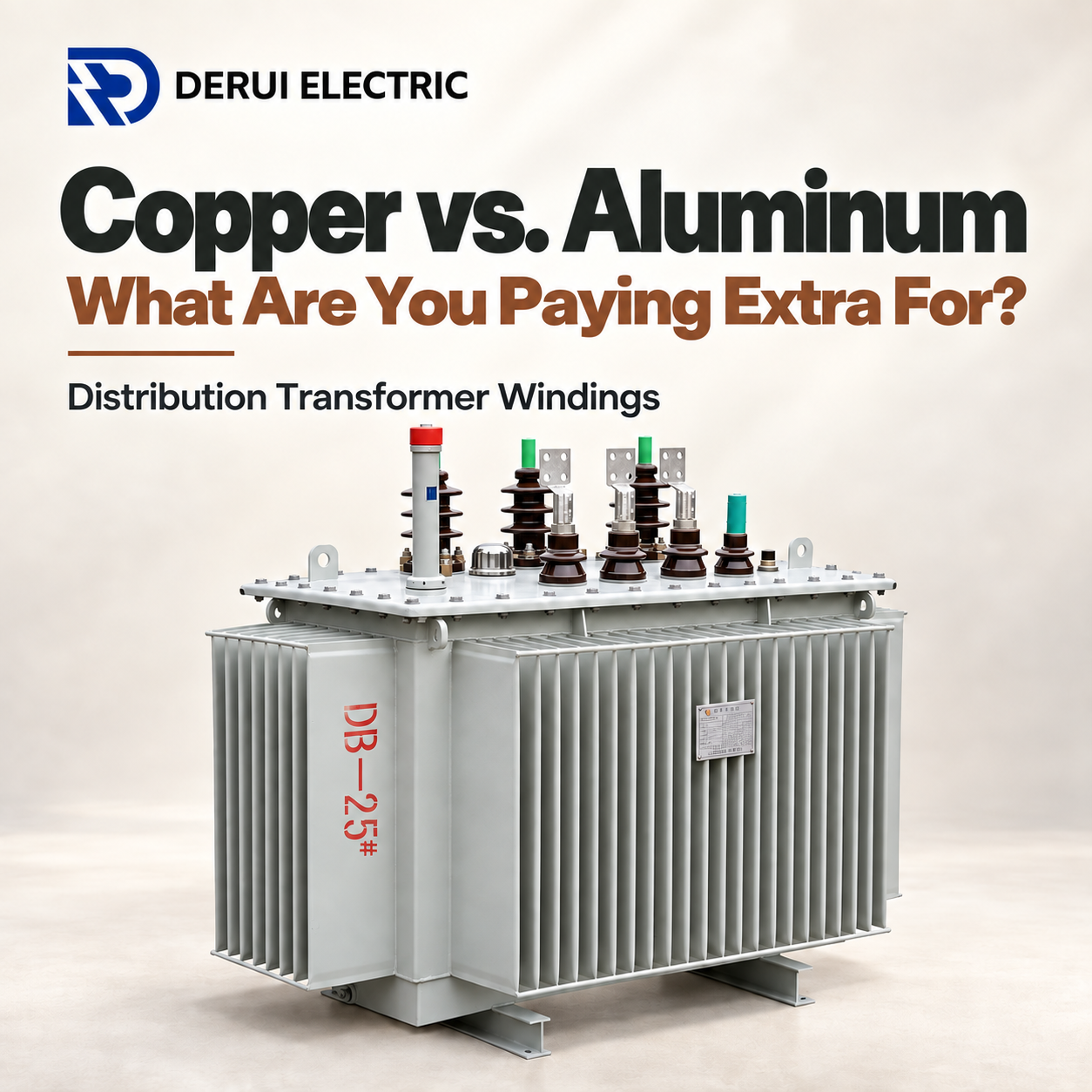
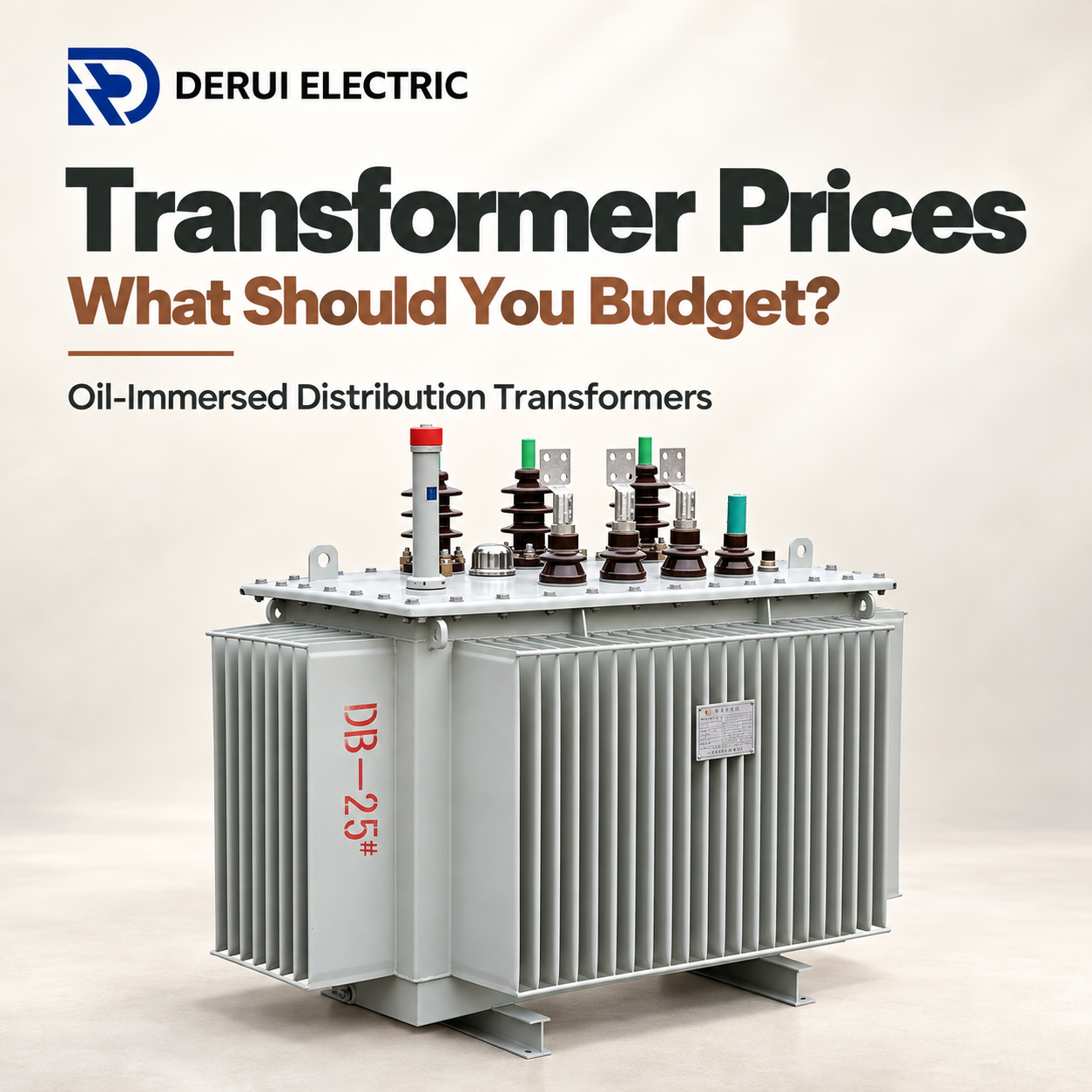
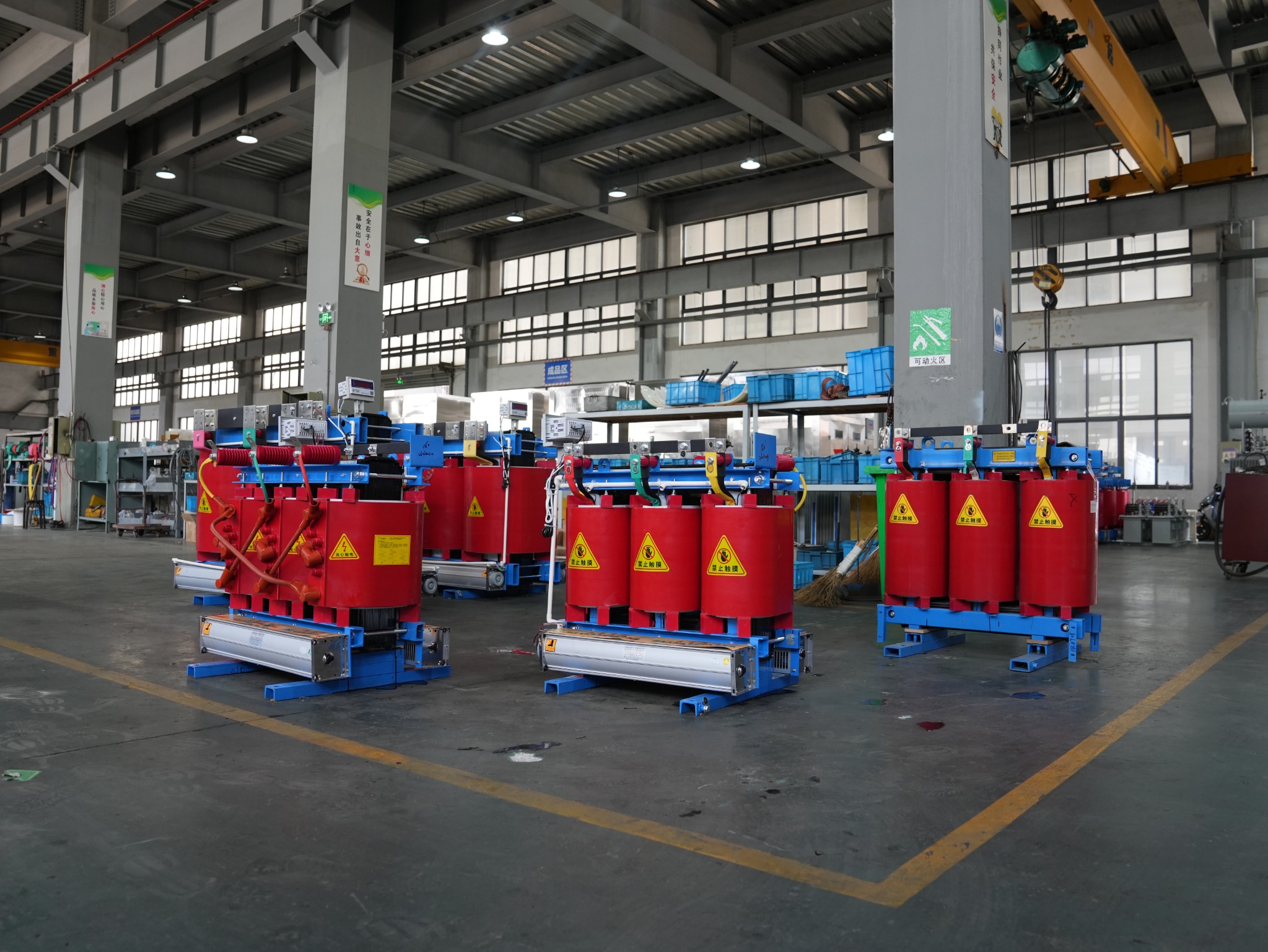
Transformer manufacturers participate in this less visible part of the charging network. DERUI’s distribution range includes S13-M and S20 oil-immersed transformers, together with SCB14 and SCB18 cast-resin dry-type transformers.
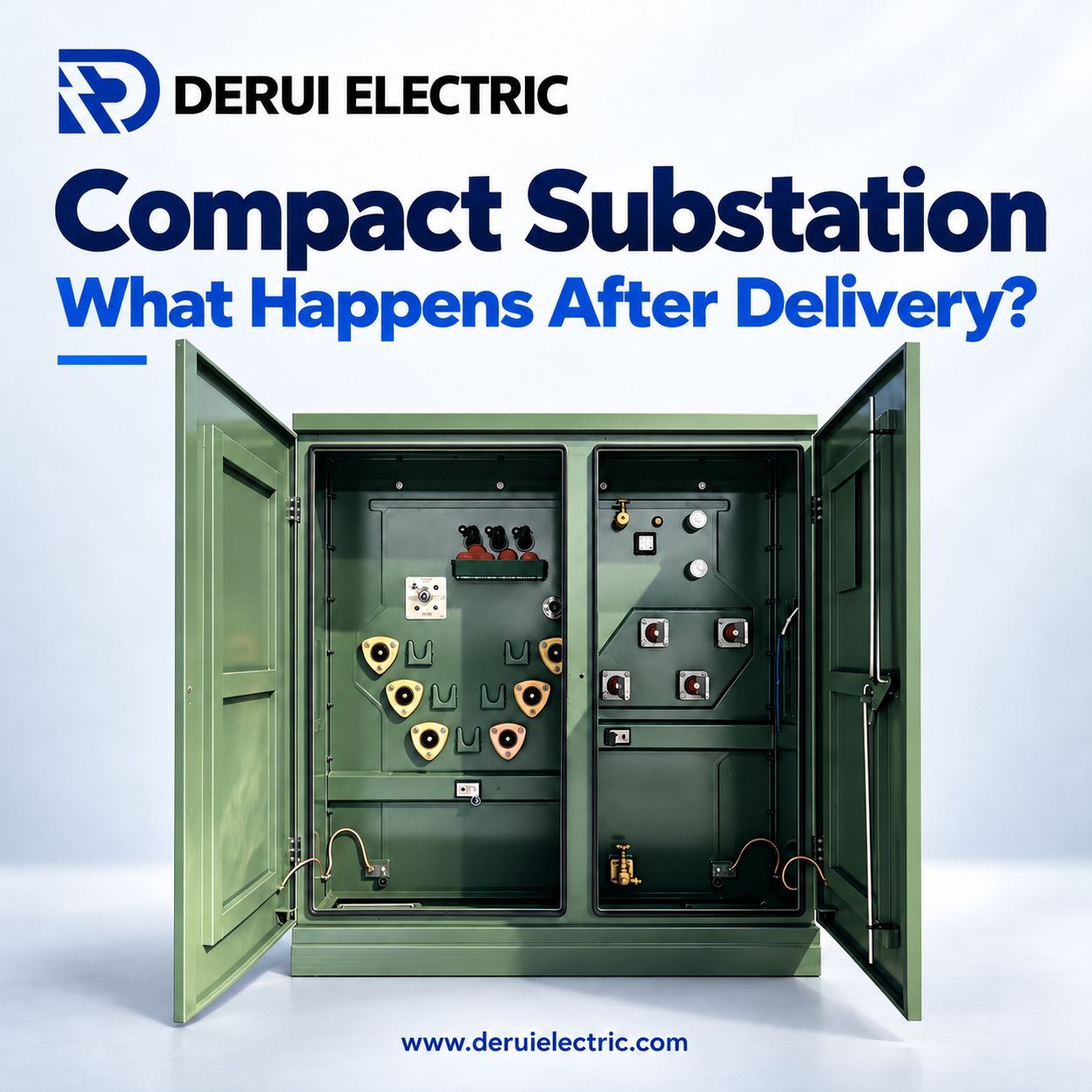
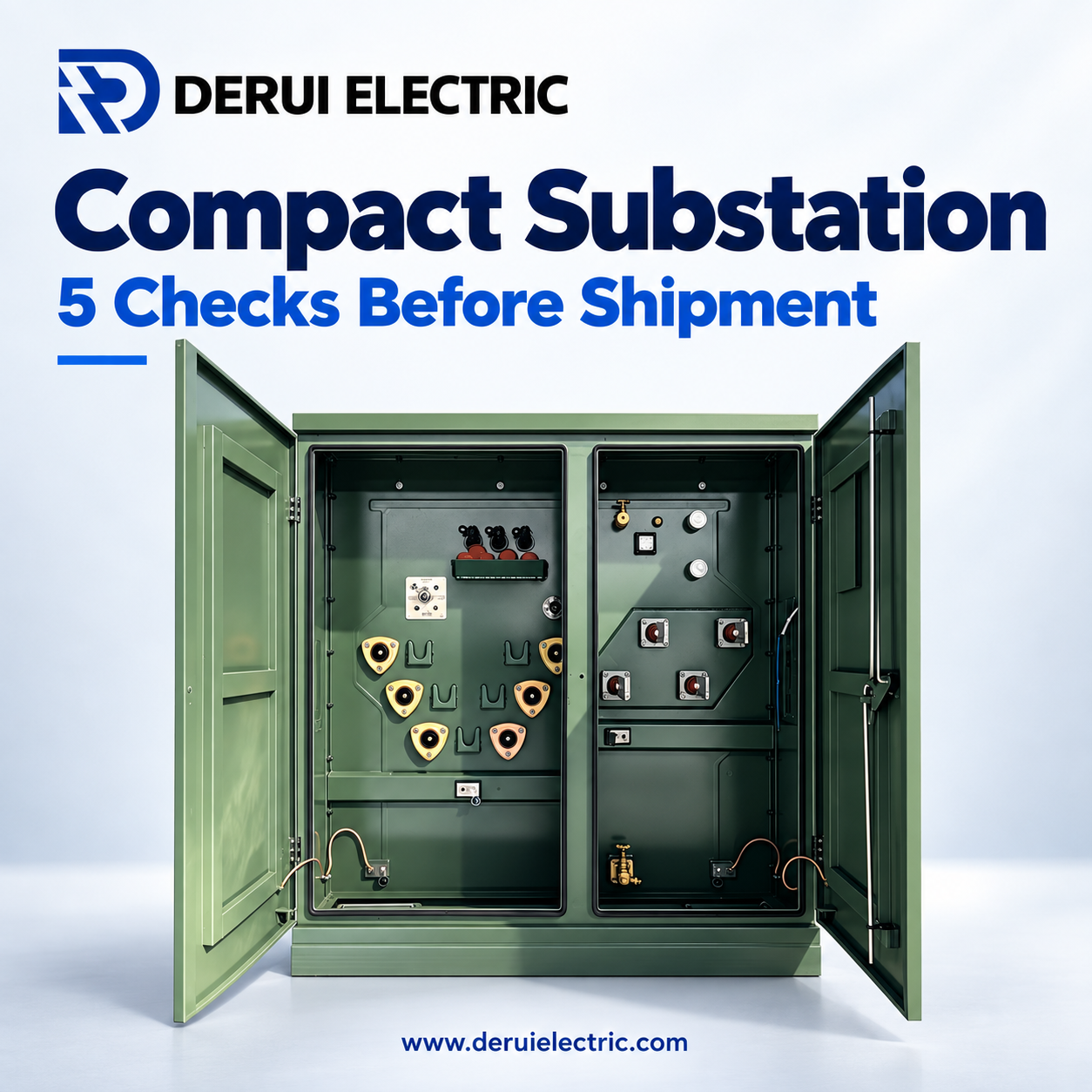
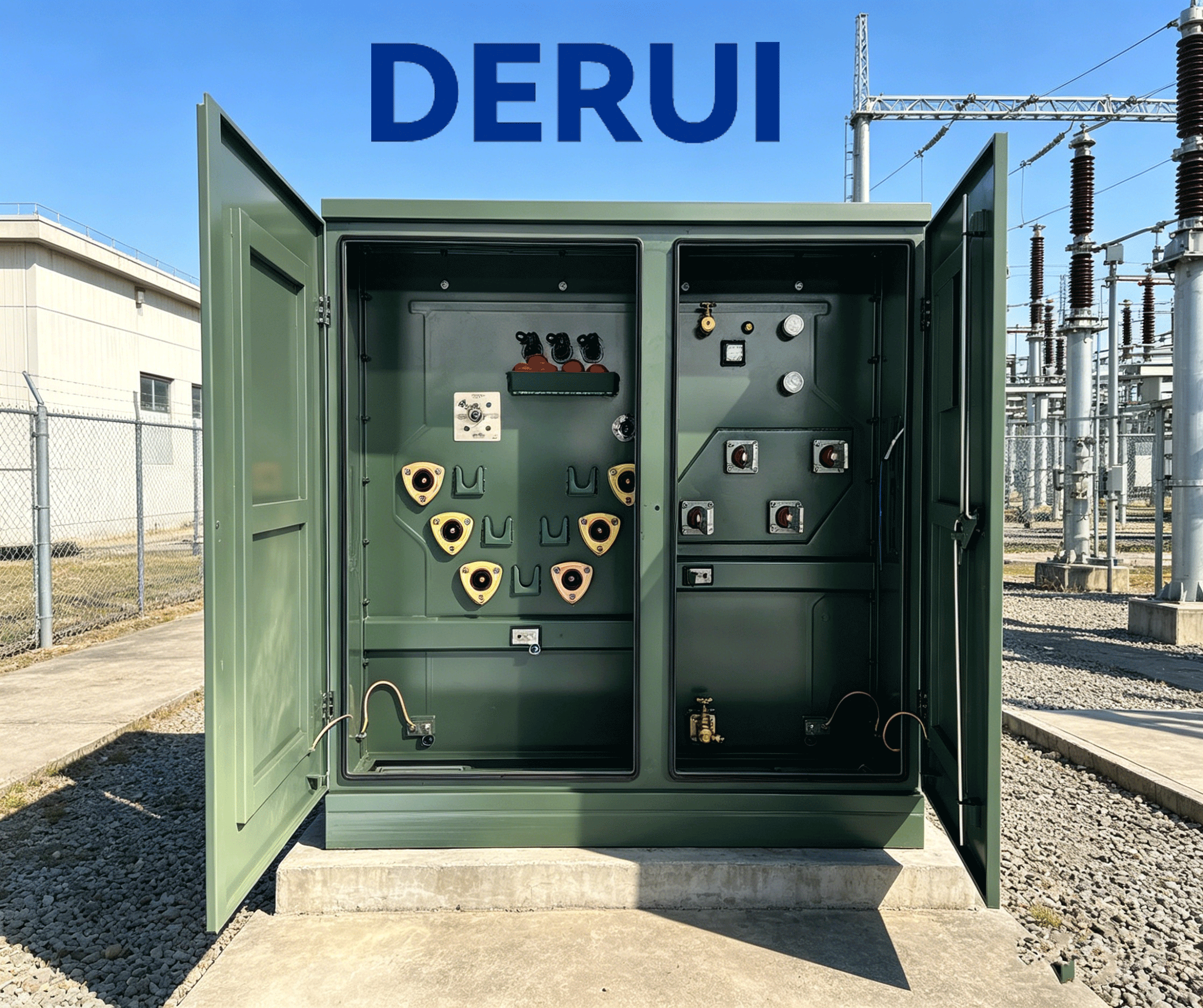
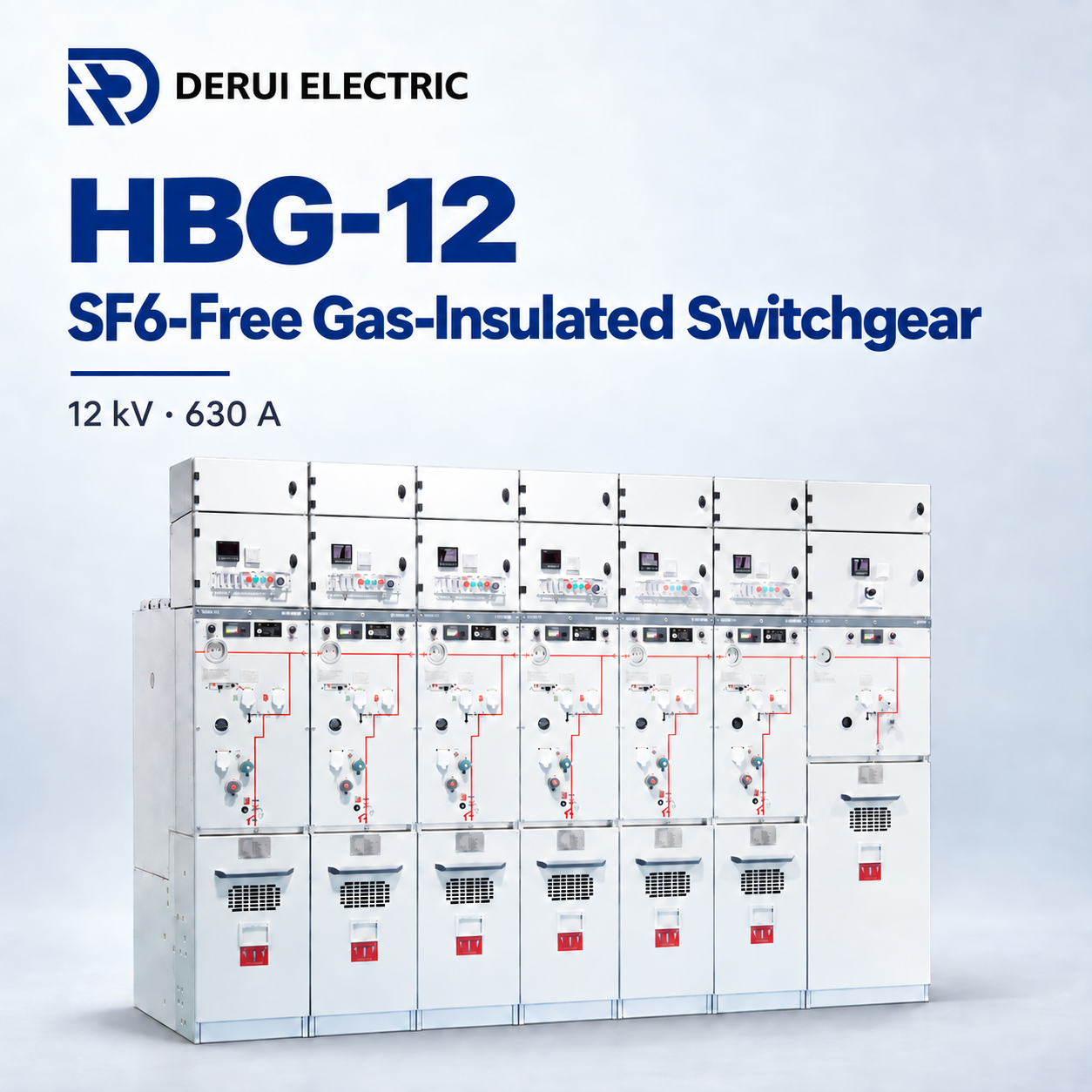
The same distribution chain can also include ring main units and medium-voltage switchgear. Where an integrated enclosure is specified, a prefabricated compact substation can combine the medium-voltage, transformer and low-voltage sections.
From Project Planning to Equipment Procurement
Equipment lead times need to align with civil works, cable installation, the utility connection and commissioning.
A delay in one part of the chain can hold back the entire charging site.
Once the electrical design and equipment ratings are confirmed, the procurement team can work from a defined supply scope.
✔ Primary and secondary voltage
✔ Required quantity
✔ Drawings and routine test documents
✔ Factory acceptance testing requirements
✔ Required delivery schedule
At this stage, manufacturers can respond to the confirmed specification with product information, documentation and a quotation. A datasheet or single-line diagram helps define the requested supply scope.
The Charger Is Only the Visible End of the System
EV charging is moving into new cities, commercial sites and highway corridors.
But every new charging point still depends on the electrical infrastructure that connects it to the grid.
Expanding the charging network also means expanding the infrastructure behind it.
Frequently Asked Questions
Does every charging station need a new transformer?
No. The requirement depends on the available supply capacity and the charging project design. It should be confirmed by the utility and electrical designer.
Why are compact substations used at some charging sites?
When the project design specifies an integrated arrangement, a compact substation can place medium-voltage switchgear, the transformer and low-voltage distribution equipment in one enclosure.
Who determines the transformer rating for a charging project?
The rating should be determined through the project’s electrical design, based on the utility connection, charging load and other site requirements.
Looking for Transformer or Distribution Equipment Information?
Explore DERUI Electric’s transformers, switchgear and prefabricated substations. Contact our team for product details or a quotation.
If you already have specifications, include them with your enquiry to help us provide the relevant product information.
Request Product Details or a QuoteOr email us at sales@deruielectric.com