




DERUI ELECTRIC · SWITCHGEAR PRICING
12 kV, 630 A, SF₆-Free: Why Do Switchgear Prices Differ?
Configuration, components and delivery scope: what goes into your quotation.
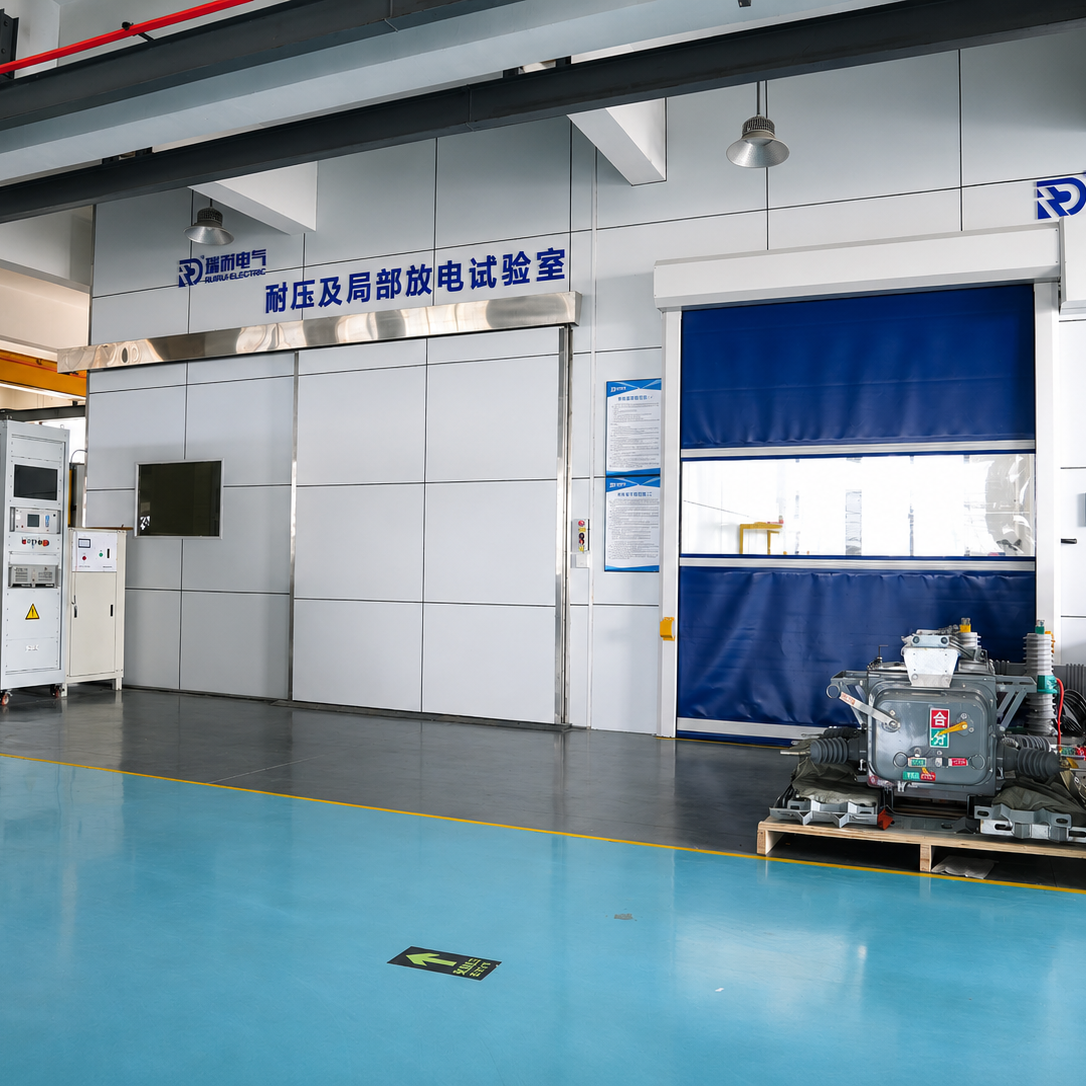
Backed by 25 years of power distribution equipment manufacturing, DERUI Electric brings established production and testing capabilities to SF₆-free gas-insulated switchgear. Automated copper busbar forming, vacuum-chamber helium leak detection and temperature-rise testing support component manufacturing and equipment performance verification. Our HBG-12 series combines dry-air or nitrogen insulation, vacuum switching and modular functional units for flexible 12 kV distribution configurations.
From this manufacturing perspective, the 12 kV SF₆-free switchgear price reflects the components, production work and supply scope behind the specification. Matching labels—“12 kV, 630 A, SF₆-free”—can cover different circuit configurations, protection functions and delivery requirements. Understanding the following six factors helps buyers assess what each quotation includes and request a price based on their project's actual requirements.
1. Circuit Configuration: What Does Each Unit Do?
The number and type of functional units determine which switching devices, mechanisms and associated components are required.
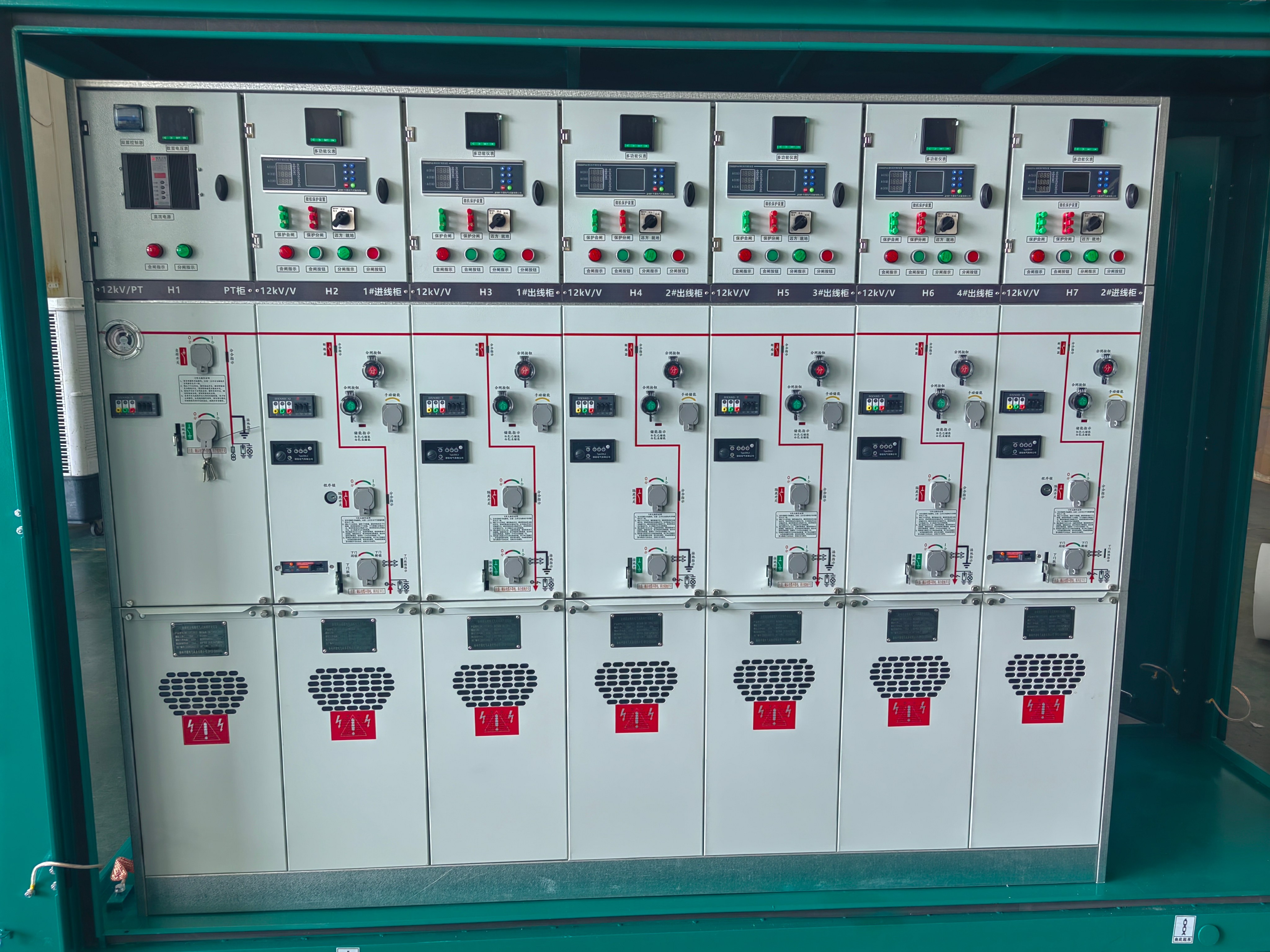
A load-break switch unit switches specified load currents. A circuit-breaker unit, working with its protection system, can interrupt specified fault currents. Metering and voltage-transformer units add different functions and components.
In the DERUI HBG-12 SF₆-free switchgear range, the C unit uses a vacuum load-break switch with manual operation as standard and optional motorized operation. The V unit includes a vacuum circuit breaker with an electric operating mechanism, protection current transformers and a digital protection relay.
A combination of two C units and one V unit therefore has a different component list from three V units. Specify the function of each circuit and whether the quotation covers one panel or a complete assembly. A single-line diagram helps establish this scope.
2. Electrical Ratings: Voltage and Current Are Only the Beginning
Electrical requirements influence insulation, conductors, contacts, switching devices and mechanical design. The short-time withstand current must be stated with its duration, while the circuit breaker's short-circuit breaking current describes a separate capability.
A load-break switch and a circuit breaker do not perform the same job simply because their units share a current rating. Likewise, “25 kA” alone leaves the required capability unclear.
Providing the full specification allows the manufacturer to price the required performance. A different short-circuit requirement may change component selection or require a different verified design.
3. Core Components and Manufacturing Work
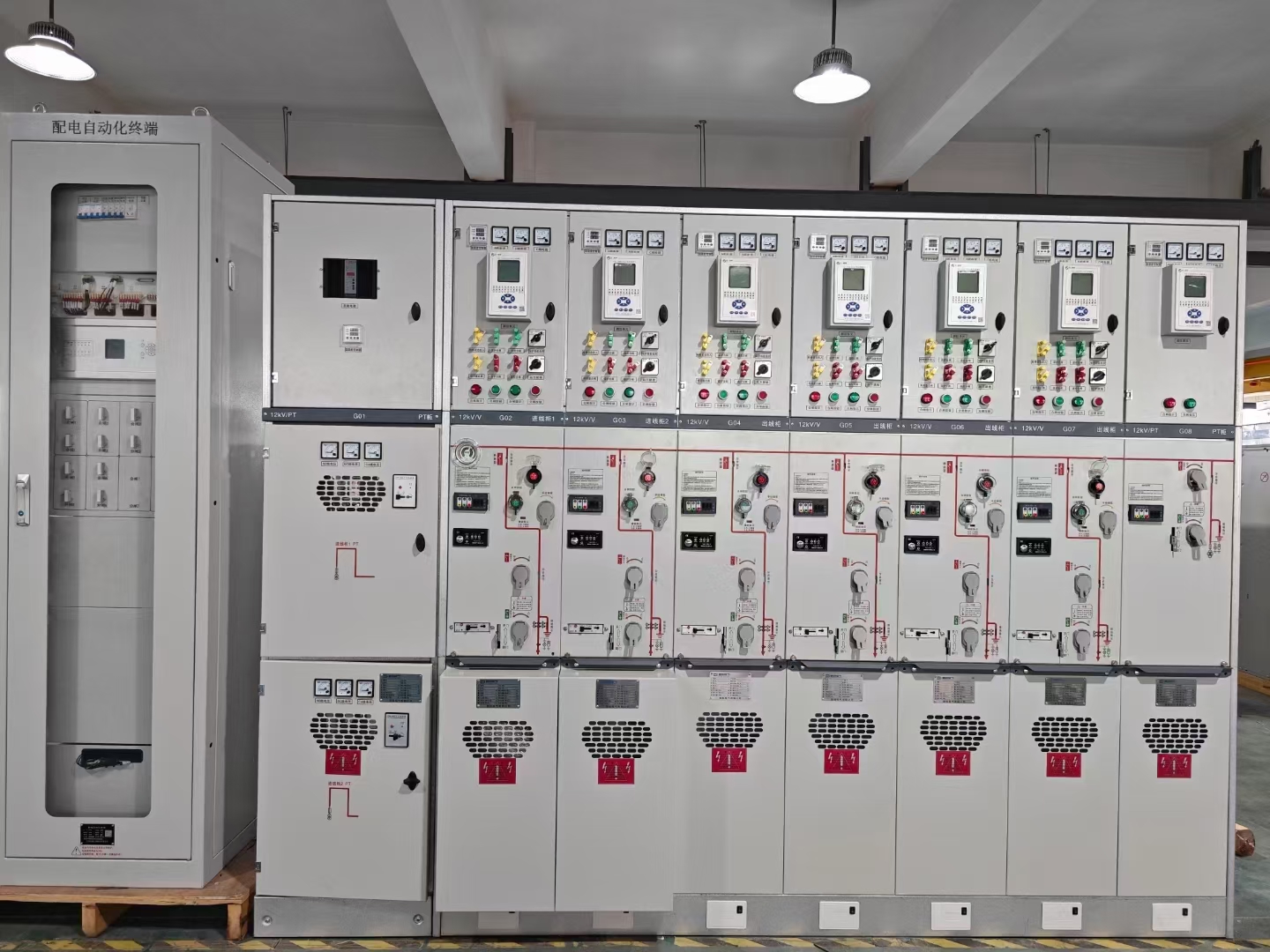
For gas-insulated switchgear, review three groups of primary components: switching devices and mechanisms; the gas tank and insulation interfaces; and the main conducting circuit.
Vacuum interrupters, operating mechanisms, bushings, contacts and busbar connections each have a defined role. The gas tank also needs suitable fabrication accuracy and sealing arrangements for its design.
Finished equipment requires assembly, adjustment, wiring and applicable checks and tests. These activities contribute to manufacturing cost alongside purchased parts. When reviewing a switchgear quotation, confirm the component specifications and the testing and documentation included. The external appearance of a cabinet does not reveal this full scope.
For more on its insulation and modular design, read our HBG-12 switchgear overview.
4. Copper Busbars and Material Costs
Copper busbars carry current within the switchgear. Their cost depends on material quantity and purchasing prices, as well as cutting, punching, bending, specified surface treatment and manufacturing yield.
Copper price movements can affect SF₆-free switchgear cost, but they do not translate directly into an identical percentage change in the finished equipment price. The impact depends on how much copper the design uses and how its cost fits into the overall bill of materials.
For procurement planning, confirm the quotation's validity period and whether later changes to quantity, specification or delivery timing require repricing.
5. Protection, Metering and Remote Control
Two 630 A switchgear quotations can differ substantially in their secondary equipment. Protection relays, current transformers (CTs), voltage transformers (VTs), meters and auxiliary power supplies need clearly defined specifications.
Motorized operation is also distinct from a complete remote-control arrangement. Remote operation may require a remote terminal unit (RTU), communication interfaces, additional wiring, power supplies and integration work.
Provide any mandatory brands, protection functions and communication requirements with the enquiry. Ask the supplier to identify included functions and price optional additions separately. This makes budget decisions easier while keeping required protection functions explicit.
6. Supply Scope, Order Quantity and Delivery Requirements
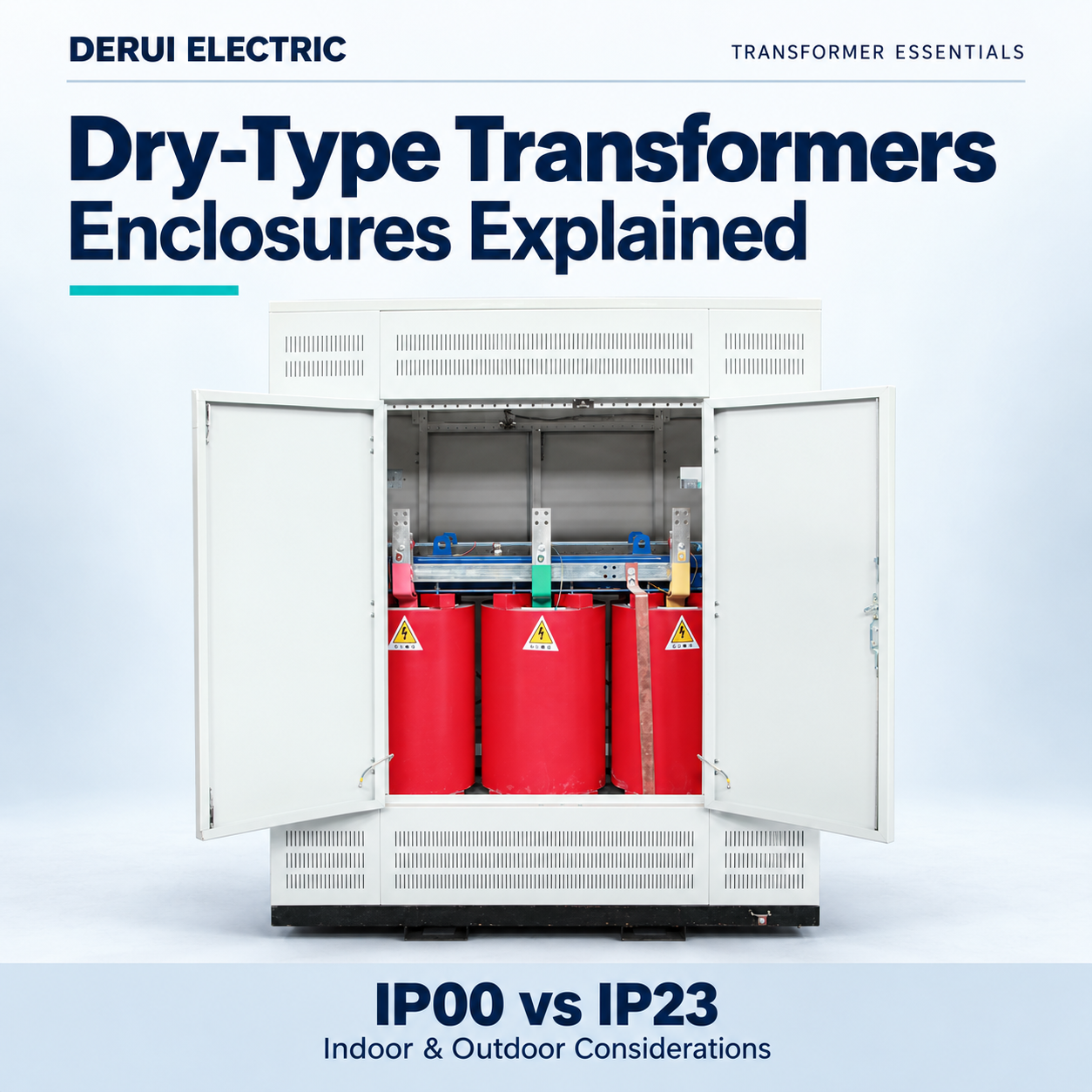
The final quotation also reflects what must accompany the equipment. Confirm whether it includes cable connectors, surge arresters, an outdoor enclosure, spare parts, specified documents and any agreed factory acceptance testing (FAT).
An indoor panel and an assembly supplied with an outdoor enclosure have different delivery scopes. Repeated identical units and individually configured units also create different engineering, purchasing and production workloads. Order quantity can improve cost allocation, but the benefit depends on how much of the design is shared.
State the required delivery date and destination, and agree on packing, transport, payment and warranty terms. Compare quotations on the same delivery basis and check which project expenses remain outside the equipment price.
Request a 12 kV SF₆-Free Switchgear Quotation
DERUI HBG-12 uses dry-air or nitrogen insulation and modular functional units for 12 kV distribution. To request a quotation for your project, send:
- A single-line diagram or a list of required circuit functions.
- Electrical ratings and any mandatory component or protection requirements.
- Quantity, installation country and site conditions.
- Required delivery timing, accessories and documentation.
If your specification is still developing, share the information available and identify any undecided items. Contact DERUI to discuss the HBG-12 configuration and supply scope for your enquiry.