


Hot Products


0102030405

China High Voltage Current-Limiting Fuses for Transformer Protection - Reliable Suppliers and Factory Solutions
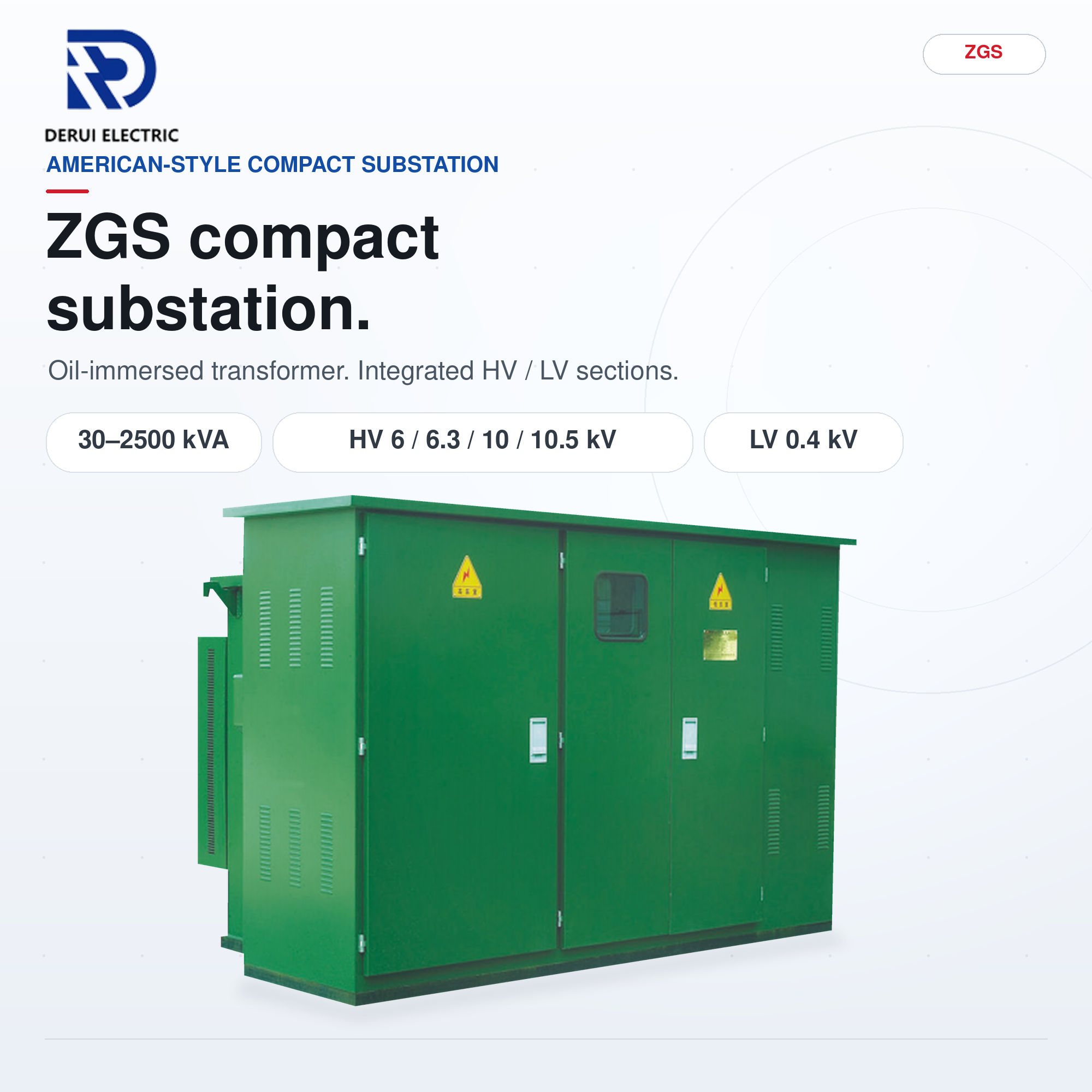
It can be used in indoor system of 50HZ and rated voltage of 3.6KV, 7.2KV, 12KV, 24KV, 40.5KV; Used together with other switch facilities such as loading switches, vacuum contactors, it can protect electric transformers and other electric facilities against overloading or circuit break. It is also a necessary accessory for high-voltage switchbox, circular circuit cabinet, high / Low voltage top-loading transformer substation.


Structure & Components
1
End cap
2
Porcelain Tube
3
Arc extinguishing filler
4
Fuse element
5
Coil resistance
6
Impactor
7
Star-shaped skeleton
Technical Data
| Type | Rated Voltage(KV) | Rated Current(A) | Dimension(MM) |
|---|---|---|---|
| XRNT-12 | 12 | 3.15-200A | 51*292 / 76*292 / 88*292 |
| XRNT-24 | 24 | 3.15-200A | 51*442 / 76*442 / 88*442 |
| XRNT-36(40.5) | 36(40.5) | 3.15-200A | 51*537 / 76*537 / 88*537 |
| Dimension can be customized | Color: Brown/White | Material: Ceramic/Epoxy | Customizable Specifications |
Considerations for Transformer Fuses
To ensure proper transformer protection, in addition to considering the transformer's full-load current, allowable overload current, and surge current, the following selection principles should also be considered:
1. The fuse's time-current curve should lie to the right of the transformer's surge current.
2. The fuse's rated current should meet the transformer's full-load current.
3. If the fuse is installed in an enclosed cabinet or the ambient temperature exceeds standard requirements, consider derating.
4. The secondary-side high-voltage fuse and the secondary-side low-voltage protective device should be properly coordinated. The current corresponding to the intersection of the high-voltage fuse's time-current characteristic (minimum pre-arcing) and the low-voltage protective device's characteristic (maximum total operating characteristic appropriately converted to the high-voltage side) should be greater than the maximum high-voltage short-circuit current caused by a secondary-side short circuit.
5. The pre- and post-breaking currents of a fuse without a striker should be less than the maximum breaking current of the switchgear with which it is used.
6. When the transformer secondary side is grounded and short-circuited, the transformer primary side phase current distribution ratio will be 1:2:1. At this time, the maximum current on the primary side will be 3/2 times the normal conversion factor. This situation must be taken into consideration when selecting a short-term solution.
Frequently Asked Questions
What systems and voltage ratings are these fuses compatible with?
These fuses are designed for indoor systems operating at 50Hz. They support rated voltages of 3.6KV, 7.2KV, 12KV, 24KV, and 40.5KV.
What other equipment can be used in combination with these fuses?
They can be used alongside other switchgear facilities such as loading switches and vacuum contactors to protect electric transformers and other facilities against overloading or circuit breaks.
What are the key internal components of the fuse?
The fuse consists of seven primary components: the end cap, porcelain tube, arc extinguishing filler, fuse element, coil resistance, impactor, and a star-shaped skeleton.
Can the dimensions and materials of these fuses be customized?
Yes, dimensions can be customized. The fuses are available in ceramic or epoxy materials, and come in brown or white color options.
How should ambient temperature affect transformer fuse selection?
If the fuse is installed inside an enclosed cabinet or in environments where the ambient temperature exceeds standard limits, you should consider derating the rated current accordingly.