




The World Is Building More Power. But One Critical Equipment Cannot Keep Up.
The World Is Building More Power. But One Critical Equipment Cannot Keep Up.
The next energy bottleneck may not be electricity generation. It may be the ability to manufacture the equipment needed to deliver electricity.
A solar farm is completed.
A data center building is ready.
A new industrial plant is prepared for production.
But none of them can operate without one critical piece of infrastructure:
The transformer.
Across the world, electricity demand is entering a new growth cycle.
Artificial intelligence is driving new data center construction. Manufacturing is becoming increasingly electrified. Renewable energy projects are expanding rapidly.
But behind all of these trends is a less visible question:
Electricity Generation Is Growing Faster Than Grid Infrastructure
For decades, the energy industry focused mainly on one question:
Today, the challenge has changed.
The world already knows how to build more generation capacity.
The harder question is:
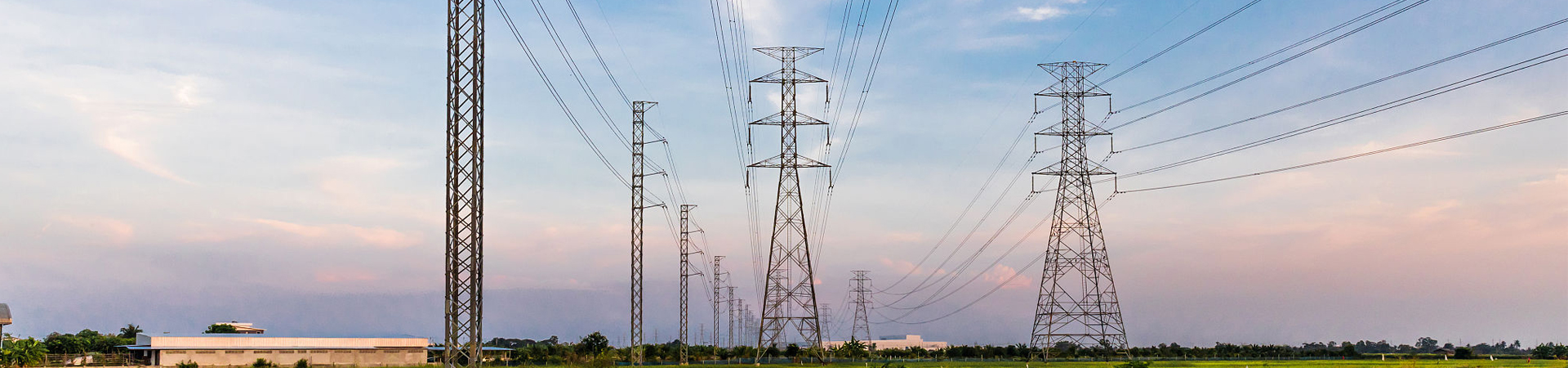
A solar farm located hundreds of kilometers away from a city cannot deliver electricity without transmission infrastructure.
A new data center cannot operate simply because electricity exists somewhere on the grid.
Between generation and consumption, electricity must pass through a complex chain:
Transformers are one of the most critical links in this chain.
Why Can’t the World Simply Produce More Transformers?
This is the part many people outside the industry underestimate.
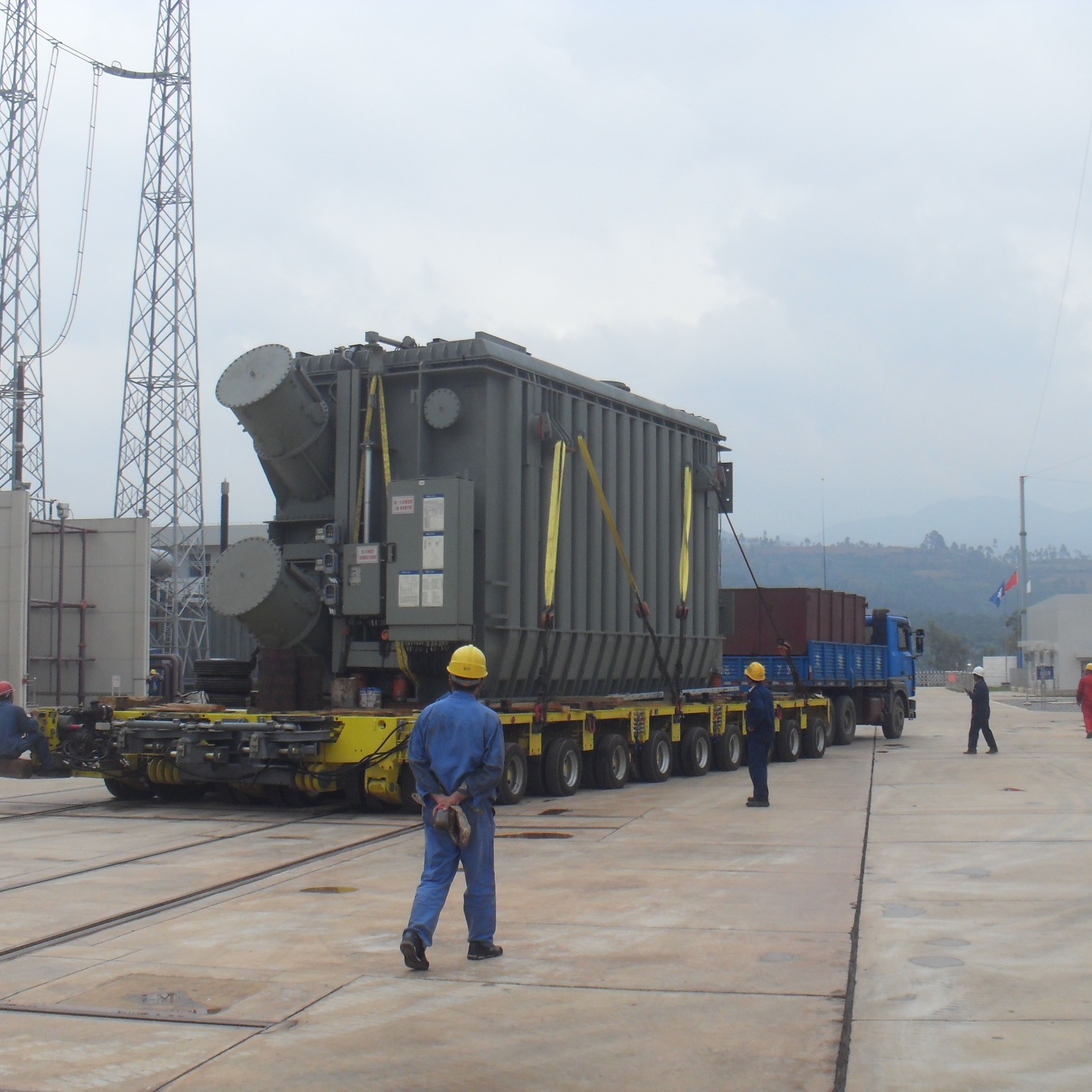
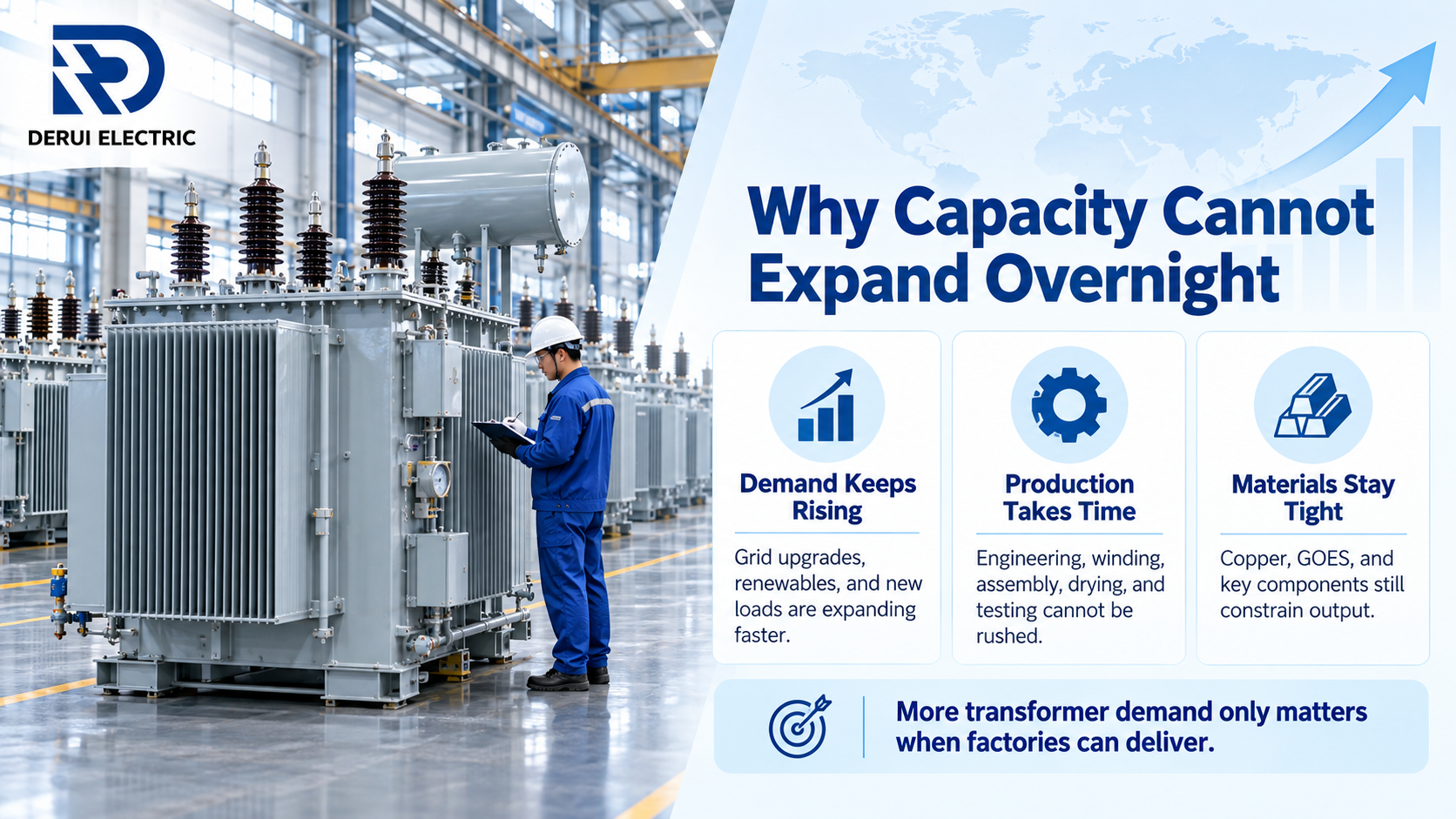
Transformers are not standard industrial products that can be produced instantly by adding another assembly line.
Electrical steel, copper conductors and insulation systems require strict quality control.
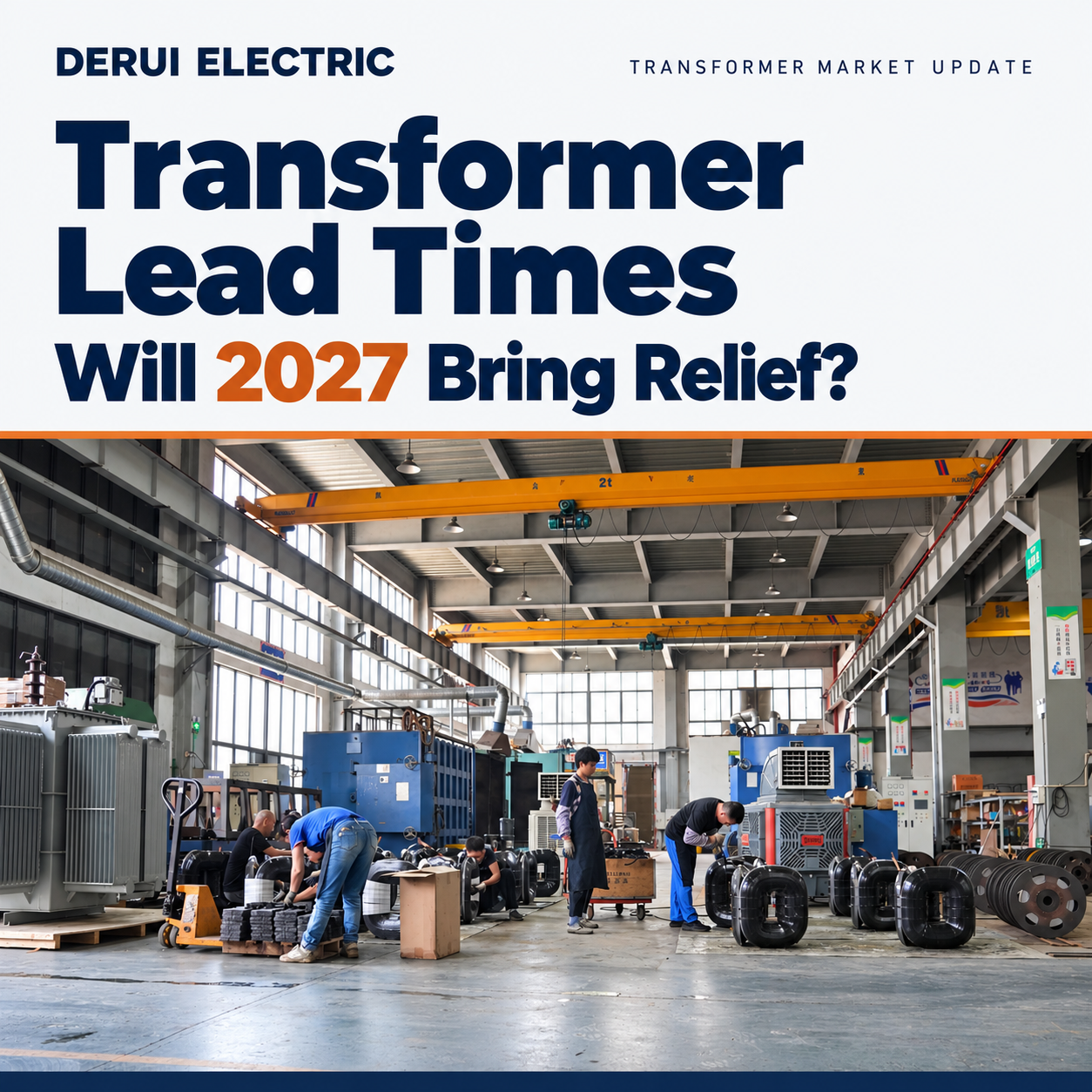
Winding, assembly and drying processes require experience and precision.
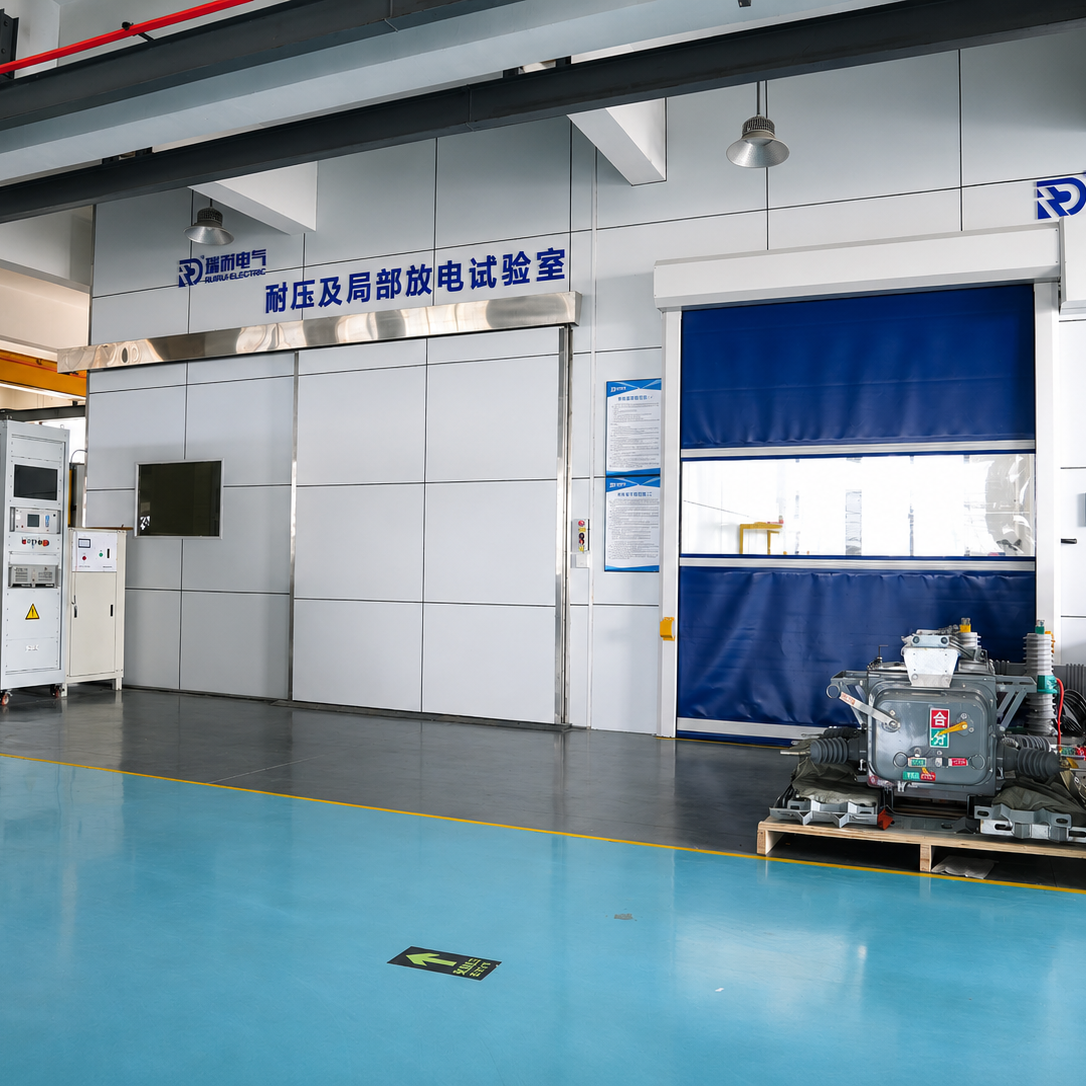
Large transformers require complex testing before delivery.
For large power transformers, expanding capacity requires years of investment in factories, equipment, engineers and supply chains.
That is why transformer manufacturing capacity cannot increase overnight when demand suddenly rises.
A Data Center Can Be Built Faster Than Its Power Infrastructure
The growth of AI data centers is one of the clearest examples.
A company can complete:
- Building construction
- Server installation
- Cooling systems
- Internal networks
But the facility may still remain unable to operate at full capacity if the required electrical infrastructure is not ready.
The missing link may be:
+
Medium Voltage Switchgear
+
Grid Connection Equipment
A building can be completed.
But without power infrastructure, it is not operational.
Renewable Energy Creates Another Transformer Challenge
Renewable energy expansion is also changing where electricity is produced.
Large solar and wind projects are often located far away from major consumption centers.
That creates demand for:
A renewable energy project is not only a generation project.
It is also an electrical infrastructure project.
Why Transformer Manufacturers Are Expanding Now
Recent investments in transformer manufacturing capacity reflect this global trend.
In India, CG Power recently commissioned a large transformer manufacturing facility in Madhya Pradesh with an initial capacity of around 10,000 MVA and a planned expansion to approximately 45,000 MVA.
The project is not only about one company.
It represents a broader industry reality:
What This Means for Transformer Buyers
For utilities, EPC contractors and industrial customers, transformer availability is becoming a project planning issue.
A delayed transformer does not only delay one piece of equipment.
- Substation commissioning
- Factory startup
- Renewable energy connection
- Data center operation
may all depend on transformer delivery.
This is why buyers are increasingly evaluating:
✔ Production capacity
✔ Quality control systems
✔ Testing capability
✔ Delivery reliability
The Next Energy Race Is Not Only About Producing Electricity
The world is investing billions into new energy sources.
But electricity cannot move by itself.
Behind every new factory, data center and renewable energy project is a network of transformers, switchgear and transmission equipment.
The future energy system will not only need more power.
It will need more equipment to deliver that power.
Frequently Asked Questions
Why is transformer demand increasing?
Transformer demand is increasing because of grid modernization, renewable energy expansion, AI data centers and industrial electrification.
Why can’t transformer manufacturers quickly increase production?
Large transformers require specialized materials, manufacturing processes, testing facilities and experienced engineering teams, making capacity expansion a long-term process.
How do transformers support renewable energy projects?
Transformers increase voltage levels and connect renewable generation projects with transmission and distribution networks.
Why should buyers evaluate transformer suppliers carefully?
Because transformer delivery delays can affect entire projects, supplier manufacturing capability and reliability have become important selection factors.