




Southeast Asia Has the Renewable Projects—But Can Its Grids Deliver?
Southeast Asia Has the Renewable Projects—But Can Its Grids Deliver?
Renewable investment is accelerating across Southeast Asia, but grid constraints, connection delays and policy uncertainty are preventing many projects from reaching operation.
Southeast Asia does not lack electricity projects.
The more difficult question is whether the region’s transmission networks, substations and electricity markets can support the investment already being announced.
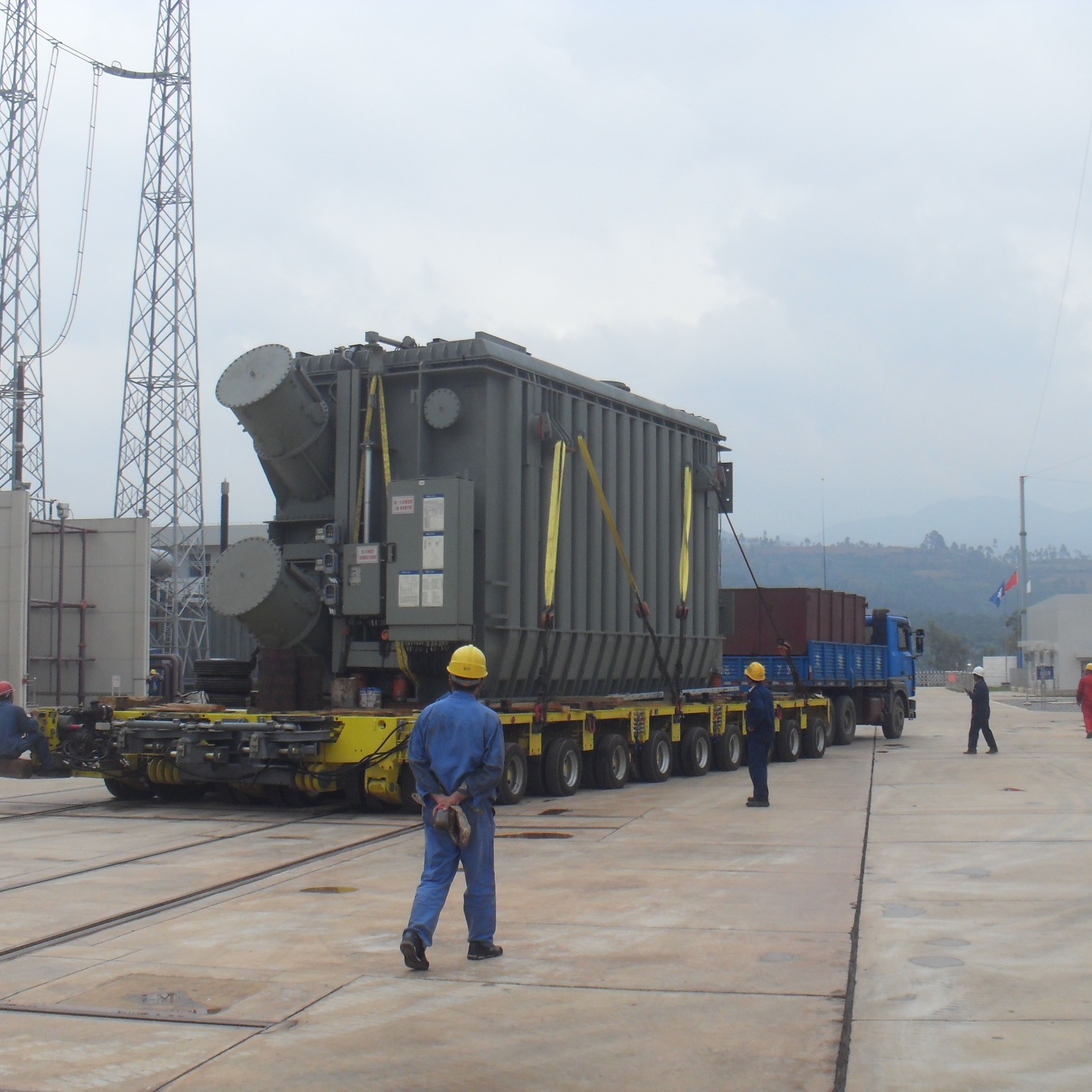
A storm-related transmission failure in Indonesia recently offered a warning for the wider Southeast Asian power market. When a major line in Sumatra failed, millions of people lost electricity, some for nearly a full day. Traffic lights stopped working, businesses closed and emergency towers had to be transported to restore the network.
The event was more than a temporary blackout. It exposed a larger regional challenge: electricity demand, renewable projects and industrial investment are growing faster than parts of Southeast Asia’s power grid can be expanded and strengthened.
The region increasingly has the capital and the projects. What it lacks is the infrastructure and market certainty needed to deliver them.
Renewable Projects Are Being Announced—But Not Always Built
A 2026 report from Bain & Company and Standard Chartered found that around 50%–60% of renewable energy projects announced in Vietnam, Thailand and Indonesia had been cancelled or stalled during recent years.
This does not mean investors have lost interest in Southeast Asia. Approximately $540 billion in investment has been announced across the region’s power and electric-vehicle value chains.
However, Bain estimates a gap of around 35% between announced and realised capital expenditure. The central problem is no longer simply raising money. It is converting investment plans into operating projects.
Developers may secure land, financing and generation equipment, only to encounter uncertain power-purchase agreements, slow permitting, unclear tariffs or limited grid-connection capacity. When these issues remain unresolved, even commercially attractive projects can fail to reach final investment decision.
Southeast Asia’s main challenge is no longer announcing projects. It is delivering the infrastructure needed to operate them.
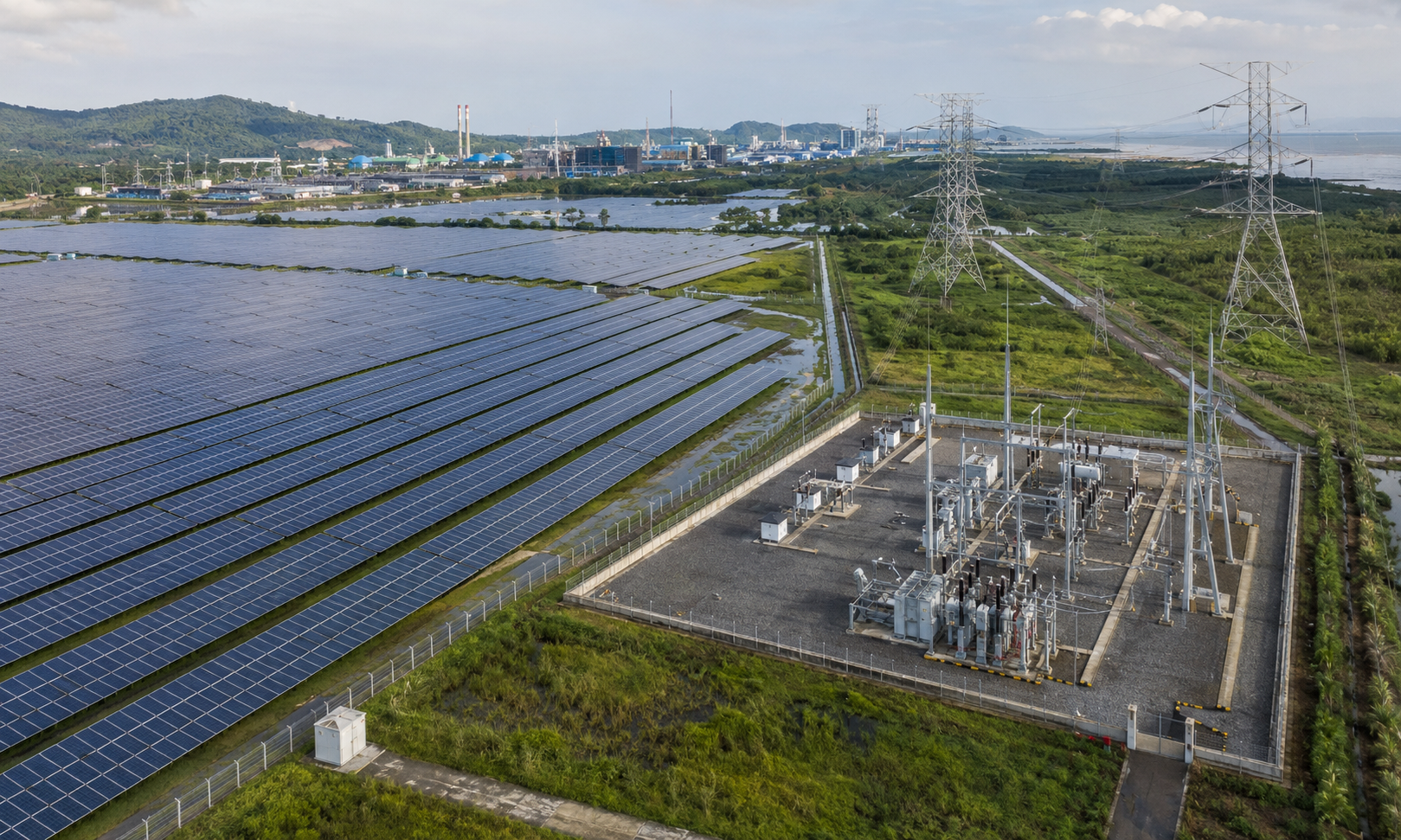
Electricity demand and renewable investment are expanding faster than parts of Southeast Asia’s grid.
New Electricity Demand Is Arriving Faster Than New Grids
Southeast Asia is expected to add more than 100 TWh of electricity demand by 2030, driven by data centres, electric vehicles and expanding industrial clusters.
Many factories, commercial facilities and digital infrastructure projects can be developed within one to three years. Major transmission and grid projects may require five to fifteen years.
That timing difference creates a difficult situation. Governments want to attract factories, digital infrastructure and renewable investment, but investors also need confidence that sufficient electricity will be available when their projects begin operating.
A new industrial facility may be ready within three years, while the transmission corridor needed to supply it could take a decade. Grid readiness is therefore becoming a major factor in deciding where investment is located.
A solar farm cannot deliver its full value without a grid connection. An industrial park cannot expand reliably if the surrounding network has insufficient capacity. A data centre cannot wait ten years for a high-voltage line after its buildings and equipment are already complete.
The Problem Is Bigger Than Transmission Lines
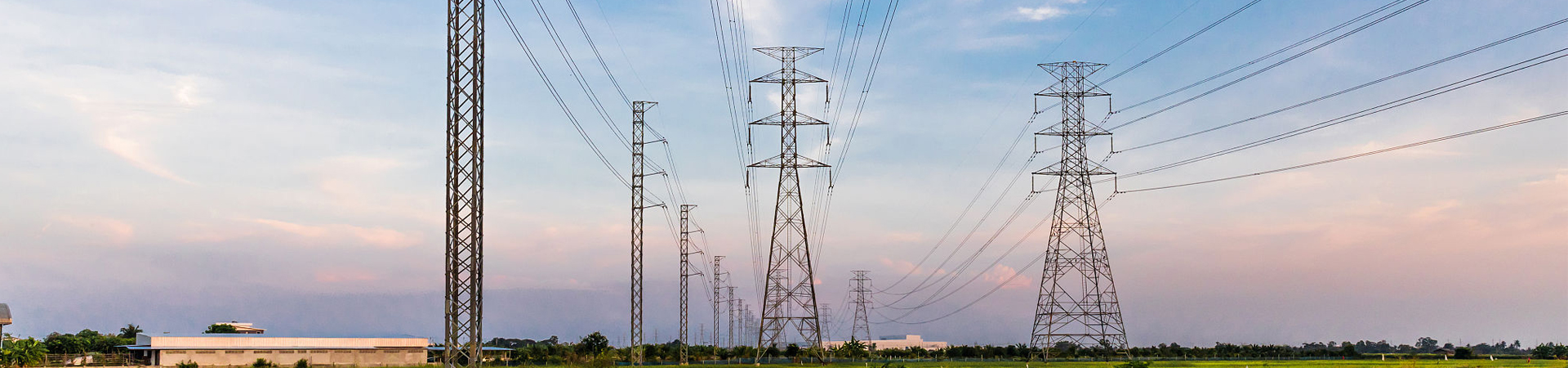
The phrase “grid bottleneck” often creates an image of missing transmission towers. In reality, a usable electricity network requires an entire chain.
A new transmission line is not useful by itself. It also requires substations, switching equipment, protection systems, control technology and enough receiving capacity at the other end of the network.
Renewable generation adds another layer of complexity because solar and wind output varies with weather and time of day. Grids therefore require flexibility, forecasting, energy storage and stronger regional interconnection to balance supply and demand.
This helps explain why some projects remain stalled even when financing and generation equipment appear to be available. The missing link may be outside the power plant itself.
Weak Grids Are Becoming an Investment Risk
For developers, a delayed grid connection can be as damaging as a delayed power plant.
A project can be technically complete but commercially inactive if it cannot export or receive electricity.
Land price, renewable resources and construction cost remain important, but developers increasingly need to examine grid capacity, substation availability and the timetable for network upgrades before committing capital.
Indonesia Shows the Scale of the Work Ahead
Indonesia’s latest electricity-development plan illustrates the scale of infrastructure required to support future growth.
The country plans to add approximately 69.5 GW of generation capacity by 2034, with around 76% expected to come from renewable energy and storage.
Supporting that expansion will require nearly 48,000 circuit kilometres of transmission lines and substations with a combined capacity of approximately 108,000 MVA.
These are not secondary additions. They are part of what makes new generation capacity usable. Every renewable zone, industrial cluster and growing city needs a practical route through which electricity can be transferred, controlled and distributed.
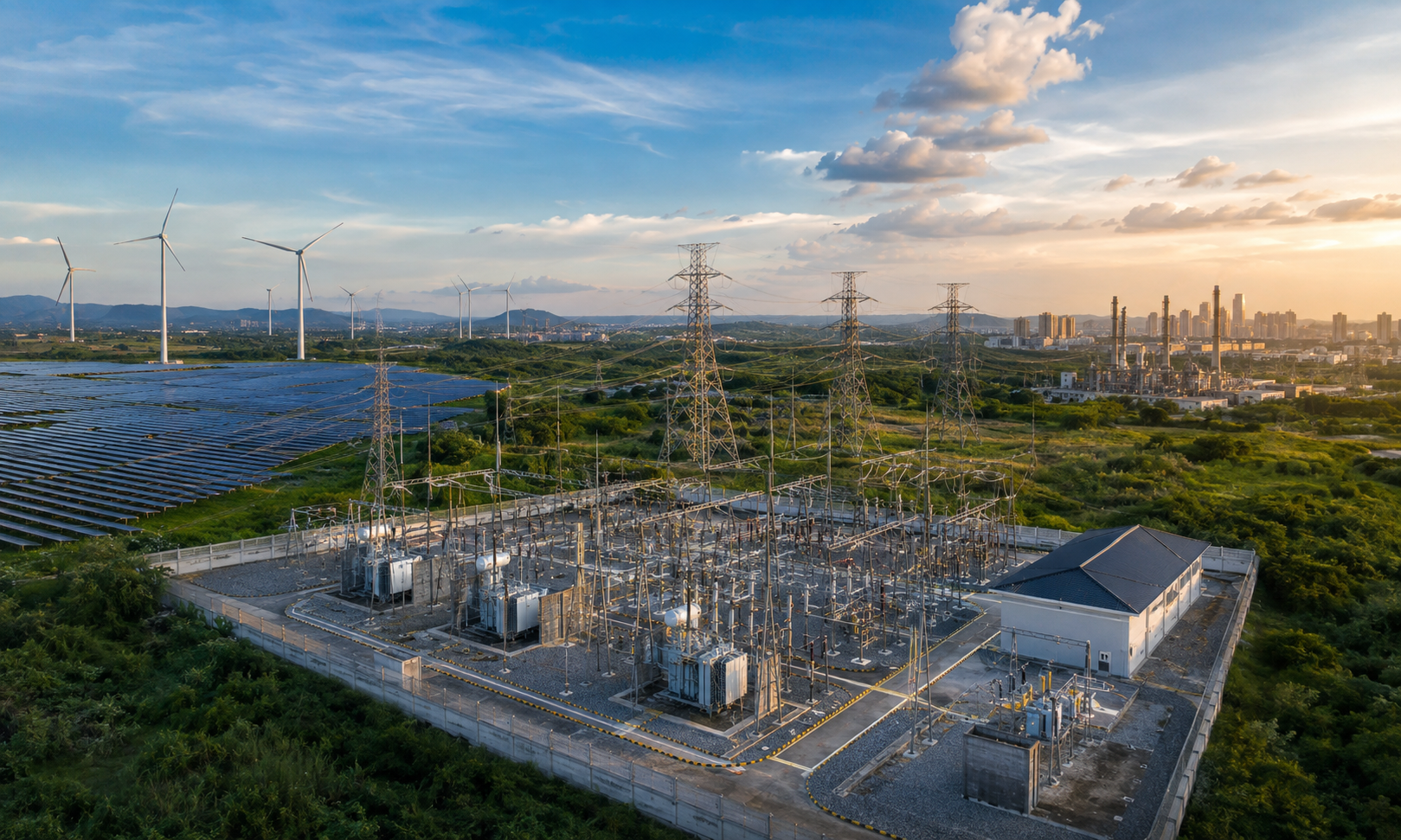
New generation can operate reliably only when the complete grid-connection chain is ready.
What Developers and EPC Contractors Should Review Earlier
The lesson for project teams is straightforward: grid infrastructure cannot remain a late-stage consideration.
Addressing these questions early cannot remove every policy or transmission risk. It can, however, prevent the project’s own grid-connection package from becoming an additional source of delay.
Where Transformers Fit Into the Grid Challenge
Transformers are not a standalone solution to Southeast Asia’s grid problems. They are one part of the wider infrastructure required to connect generation, transmission and distribution systems operating at different voltage levels.
When new renewable projects or industrial loads are added, substations may require additional transformation capacity at both the generation and receiving ends of the network.
For project planners, this means transformer specifications, utility approval, factory testing and delivery should be coordinated with the complete substation schedule—not handled as an isolated purchase near the end of construction.
Southeast Asia Has Capital. Execution Will Decide the Outcome.
Southeast Asia has rising electricity demand, strong renewable resources and considerable investor interest. Its main challenge is turning those advantages into reliable operating infrastructure.
Faster permitting and clearer energy policies will be essential. So will investment in transmission networks, substations, storage and stronger regional interconnections.
The region does not simply need more generation. It needs a power system capable of carrying the growth already on its way.
A Manufacturing Perspective
From an equipment-manufacturing perspective, early confirmation of voltage levels, capacity, environmental conditions and testing requirements can help prevent major substation equipment from becoming a late-stage bottleneck.
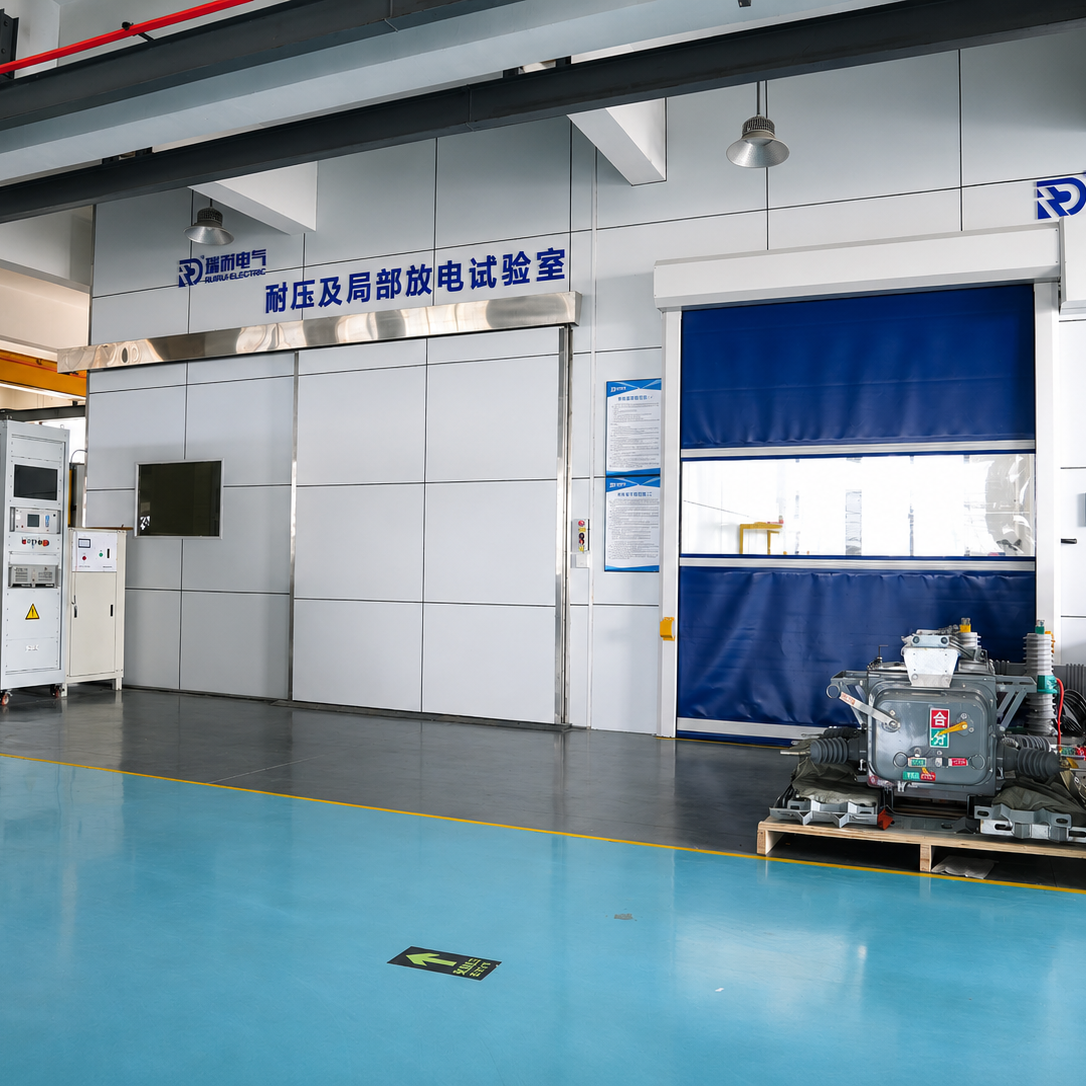
Derui Electric supports overseas power, renewable-energy and substation projects with project-specific transformer selection, technical-document review and factory testing arrangements.
Frequently Asked Questions
Why are renewable energy projects delayed in Southeast Asia?
Common causes include limited grid capacity, connection delays, unclear power-purchase agreements, permitting problems, tariff uncertainty and restrictions on private-sector participation.
How much new electricity demand is expected in Southeast Asia?
Regional analysis estimates that data centres, electric vehicles and industrial clusters could add more than 100 TWh of electricity demand by 2030.
Why are substations important for renewable projects?
Substations change voltage levels, connect circuits, provide protection and control power flow. A project may remain unable to export electricity if its transmission line is ready but its substation or receiving capacity is incomplete.
What should EPC contractors confirm before ordering substation equipment?
They should confirm the grid voltage, connection arrangement, protection requirements, installation environment, utility approval process, testing plan and intended energisation date.
Planning a Renewable Energy or Substation Project in Southeast Asia?
Share your project capacity, voltage levels, installation environment and planned delivery schedule. Our engineering team can help review transformer parameters and prepare a project-specific technical proposal.
Contact Derui ElectricSources
- Climate Change News: Fragile grids threaten clean-energy investment in Southeast Asia
- Bain & Company: Southeast Asia’s Green Economy 2026
- Indonesia Ministry of Energy and Mineral Resources: Indonesia Electricity Supply Business Plan 2025–2034
- International Energy Agency: World Energy Investment: Grid and equipment supply constraints