




DERUI ELECTRIC · DRY-TYPE TRANSFORMER BUYER GUIDE
Know the rating. Check the fans.
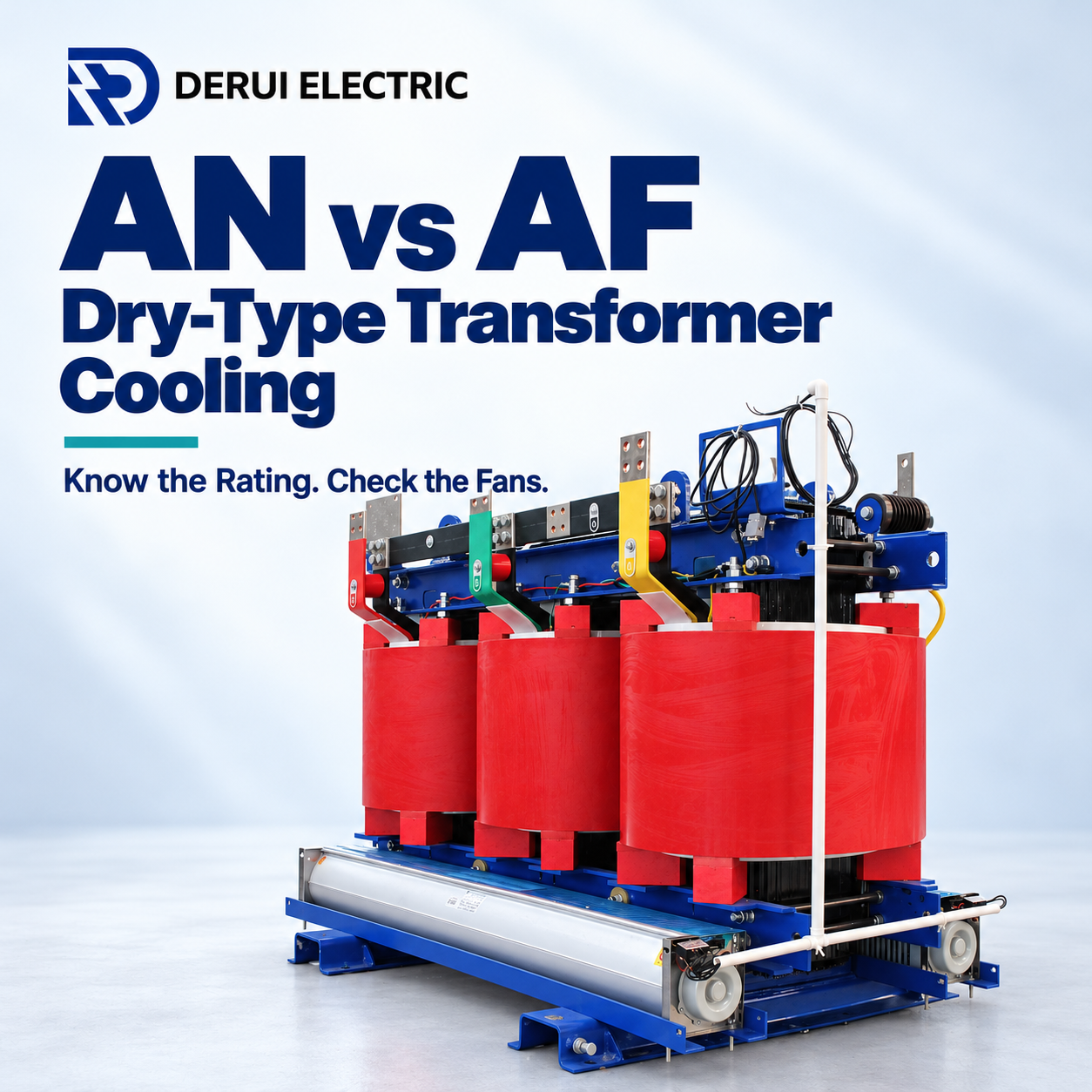
A dry-type transformer quotation may say “AN/AF” without showing what the transformer can carry under each cooling mode. Before comparing prices, buyers need two figures: the rated capacity with natural air cooling and the rated capacity with the specified cooling fans operating. They also need to know what equipment is included to support the second figure.
DERUI Electric lists AN and AN/AF cooling options for its cast-resin dry-type transformers. Its public product table does not assign separate AN and AF capacities to every listed model. Those ratings and the fan package therefore need to be confirmed for the configuration being quoted.
What Does AN/AF Mean on a Dry-Type Transformer?
AN — Air Natural
The transformer dissipates heat through natural air circulation. Fans may be physically fitted to an AN/AF unit, but its AN rating does not depend on their operation.
AF — Air Forced
Fans provide additional airflow. An AN/AF transformer is designed for natural air cooling up to one rated output and forced-air cooling to a higher rated output. The letters alone do not tell you the numerical ratings, what fan equipment is supplied or what operating conditions apply.
This distinction matters when the project’s expected load is above the proposed AN rating. In that case, the buyer needs a clearly stated AF rating and an agreed basis for using it.
Four Checks Before Accepting an AN/AF Quotation
1. Are Both Capacity Ratings Stated?
Ask the supplier to list the AN-rated kVA and AF-rated kVA for the actual model and configuration. Confirm the conditions and permitted operating duty associated with the AF rating. Avoid applying a general percentage increase to a capacity shown in a catalogue.
If fans or their controls are unavailable, the project team should assess the load against the transformer’s confirmed natural-cooling rating and the manufacturer’s operating instructions.
2. What Is Included in the Price?
Check whether the offer includes the cooling fans, temperature sensors, controller, associated wiring and the required alarm or trip contacts. The site team should also know what control power and external connections it must provide.
A cooling method printed on a product page does not, by itself, define the accessory scope of a project quotation. Ask for included and optional items to be identified in the offer.
3. Can the Installation Use the Higher Rating?
If the project intends to operate at the AF rating, its electrical connections and protection must be reviewed for the corresponding load. Confirm the suitability of the specified cables or busduct and the relevant protective equipment.
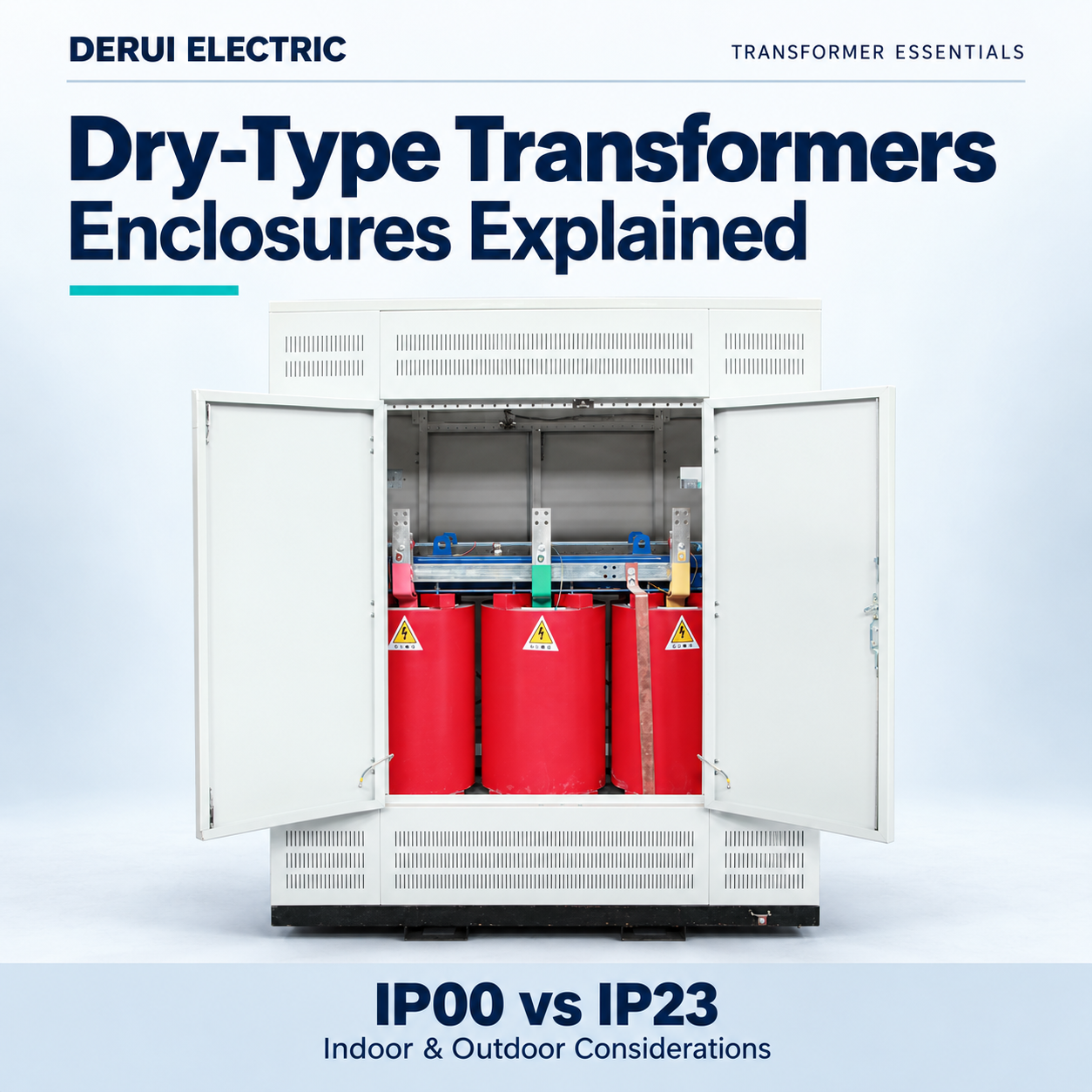
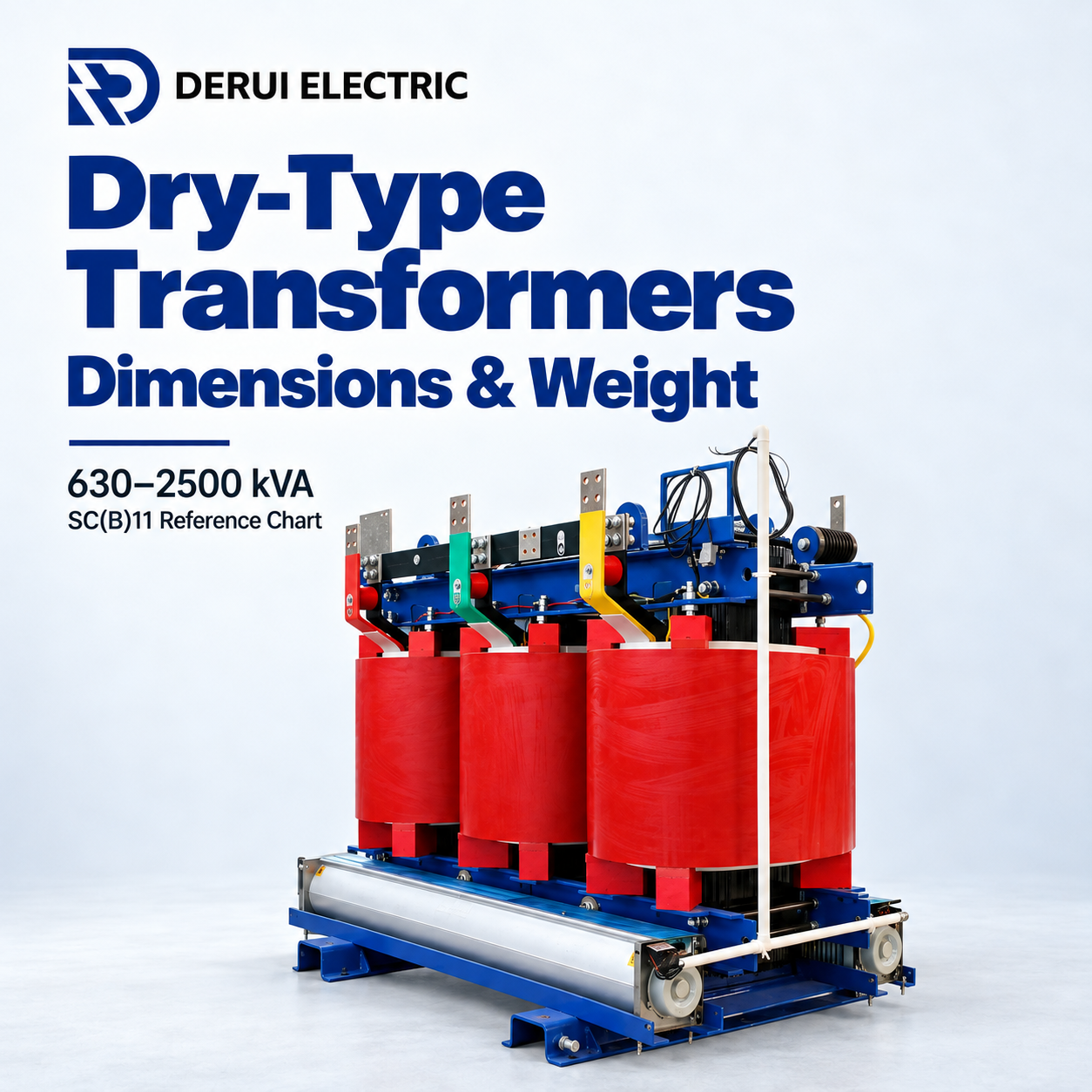
Transformer fans also need a suitable airflow path. Check the proposed enclosure, equipment clearances and electrical room ventilation against the offered design. For physical planning, our dry-type transformer dimensions and weight guide provides reference figures; request an outline drawing for the complete configuration being purchased.
4. What Happens When the Fans Are Unavailable?
A fan-assisted capacity depends on its cooling system. Ask how fan operation is monitored, which alarms or protective actions are specified, and what operating limit applies if forced cooling is lost. These details should be agreed for the supplied equipment rather than inferred from the term “AN/AF.”
Make the Ratings Clear Before Ordering
For a useful quotation, send the required capacity, voltages, frequency, expected load pattern, installation conditions and any enclosure or control requirements. State whether the project requires an AN rating, an AF rating, or both.
Request an AN/AF Dry-Type Transformer Quotation
Share your specification and expected operating conditions with DERUI Electric so the proposed ratings, cooling equipment and supply scope can be stated together.