




Can Chips Replace Steel and Oil? A Former Tesla Executive Is Betting $100 Million on It.
Can Chips Replace Steel and Oil? A Former Tesla Executive Is Betting $100 Million on It.
Heron Power is building a new factory for software-controlled medium-voltage equipment as transformer buyers face delivery times stretching into years.
For more than a century, transformers have relied on a familiar combination: steel, copper, insulation—and often oil.
Now a former Tesla executive is betting more than $100 million that semiconductors and software can take over some of those jobs.
Heron Power, founded by former Tesla executive Drew Baglino, plans to convert a 286,000-square-foot facility in California into a factory for next-generation medium-voltage power-conversion equipment.
Why Make This Bet Now?
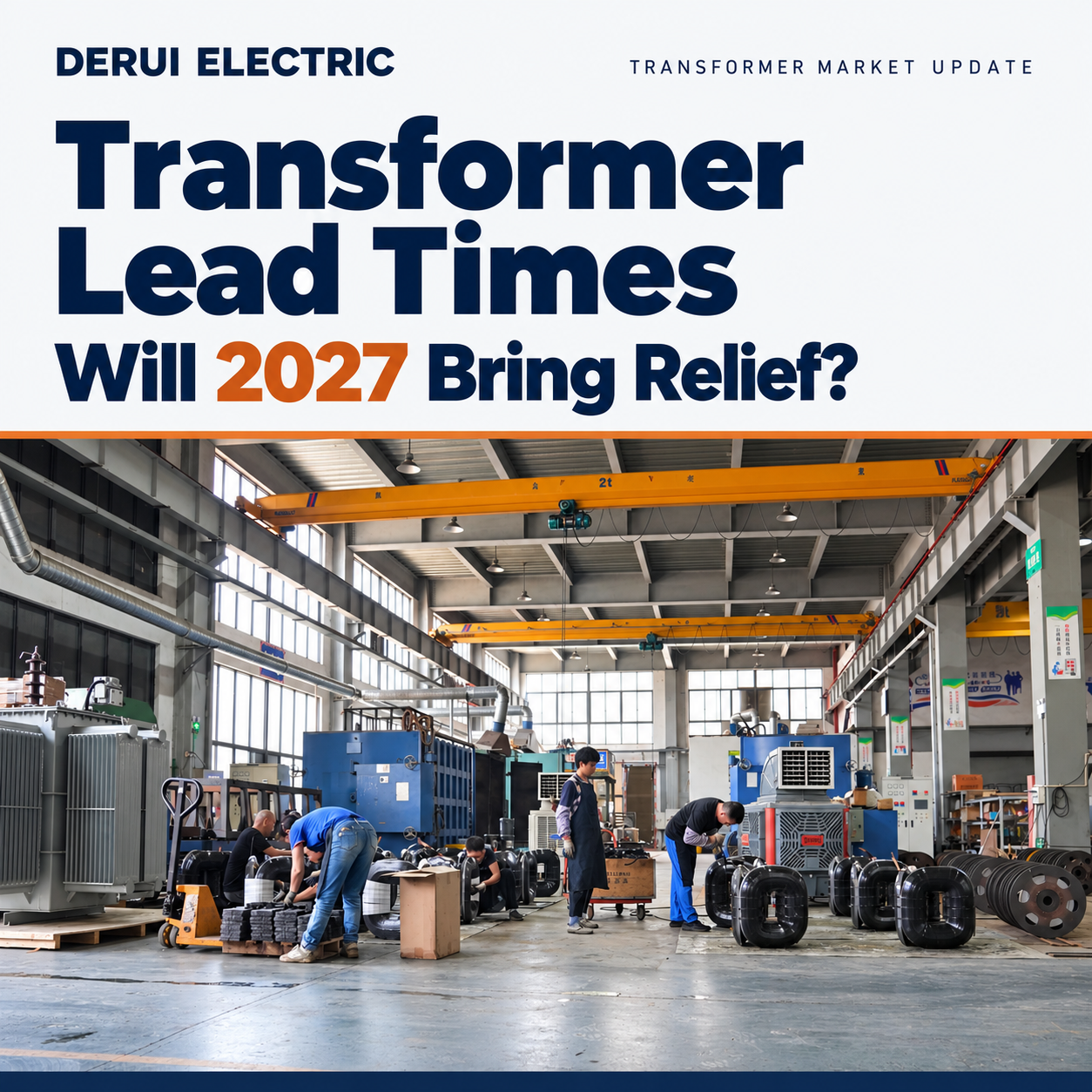
One reason is simple: conventional transformers have become difficult to get.
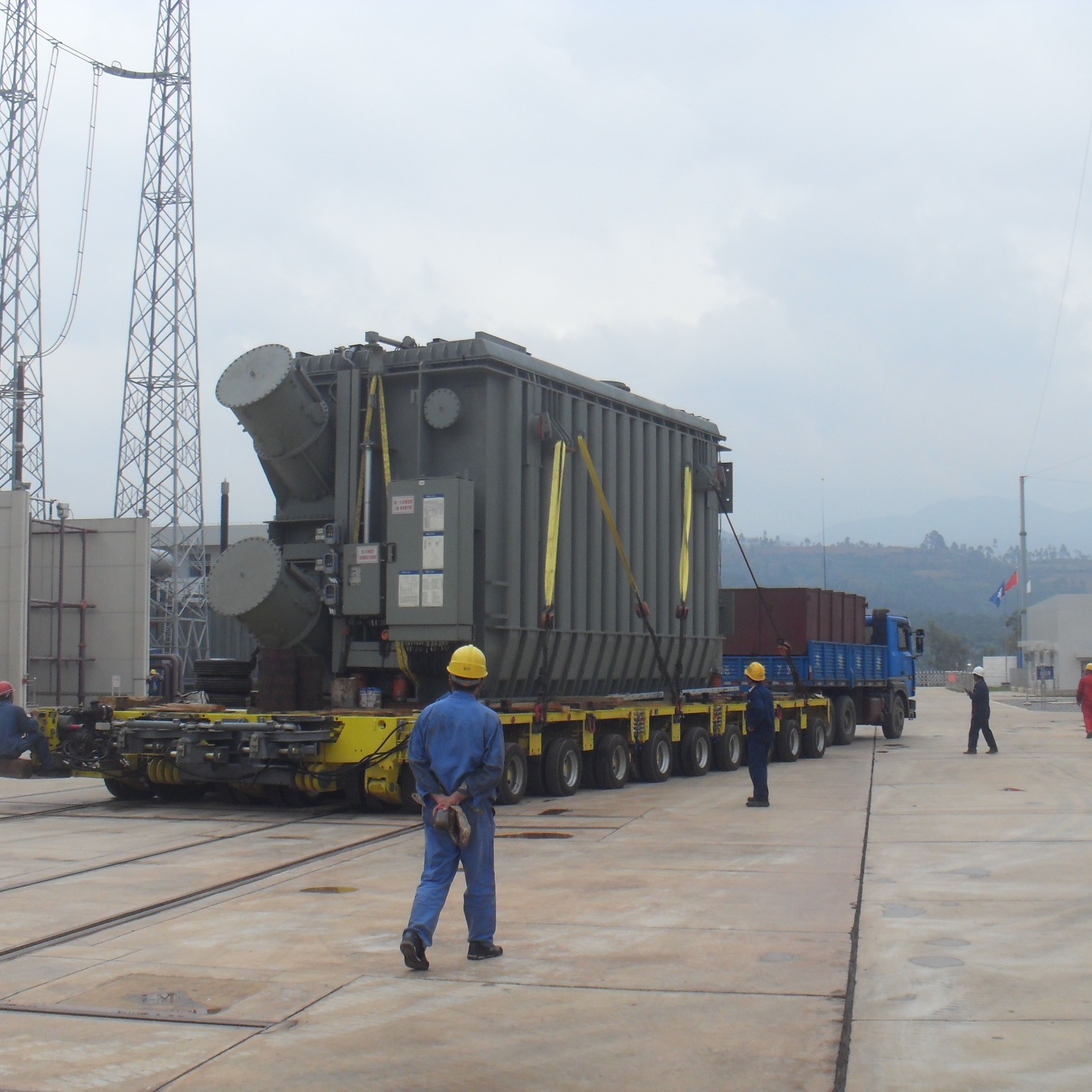
Baglino told Reuters that buyers can face waits of up to four years for some transformer equipment.
At the same time, data centers, battery systems, solar plants and other large electrical loads are creating new demand for medium-voltage equipment.
Heron Power believes that gap creates room for a different type of technology.
If conventional transformers can take years to arrive, can power electronics offer another route?
What Is Heron Link?
Heron Link is not simply a smaller conventional transformer.
It uses high-frequency power electronics, semiconductors and software controls to convert and manage medium-voltage electricity.
For renewable-energy applications, Heron describes the product as an integrated solid-state transformer and inverter rated at 5 MW.
The idea is to combine functions that are traditionally handled by several separate pieces of electrical equipment.

Are Conventional Transformers About to Disappear?
No.
Heron Power is initially targeting specific high-power applications such as data centers and large renewable-energy projects.
That is very different from replacing every transformer used in utility substations, factories, commercial buildings and distribution networks.
Conventional transformers already have a huge installed base, mature standards, well-understood maintenance practices and a long record of operation across a wide range of voltages and capacities.
Solid-state systems may offer advantages where compact size, active control or direct AC/DC conversion is especially valuable. Traditional transformers remain highly practical where reliability, efficiency, cost and proven operation are the main priorities.
Conventional Transformers
Mature technology, broad voltage and capacity coverage, established standards, high efficiency and proven long-term operation across utility and industrial networks.
Solid-State Systems
Active electronic control, potential equipment integration and advantages in selected applications such as advanced data centers and renewable-energy systems.
What Should Transformer Buyers Take From This?
The most important part of Heron Power’s $100 million investment may not be whether solid-state transformers eventually take market share.
It is what the investment says about the market today.
Transformer supply constraints have become serious enough for investors to fund completely different approaches to moving and converting electricity.
For buyers planning industrial or distribution projects today, however, the practical questions remain familiar:
- Can the supplier meet the required voltage and capacity?
- Is the delivery schedule realistic?
- Which IEC or project standards apply?
- What factory testing will be provided?
- Is the selected technology appropriate for the actual application?
Replacement—or Another Choice?
Heron Power is betting more than $100 million that chips, software and power electronics can challenge traditional electrical architecture in selected applications.
That does not mean steel-and-copper transformers are disappearing.
The more likely future is one where buyers have more technologies to choose from—and selecting the right one becomes even more important.
A Transformer Manufacturer’s Perspective
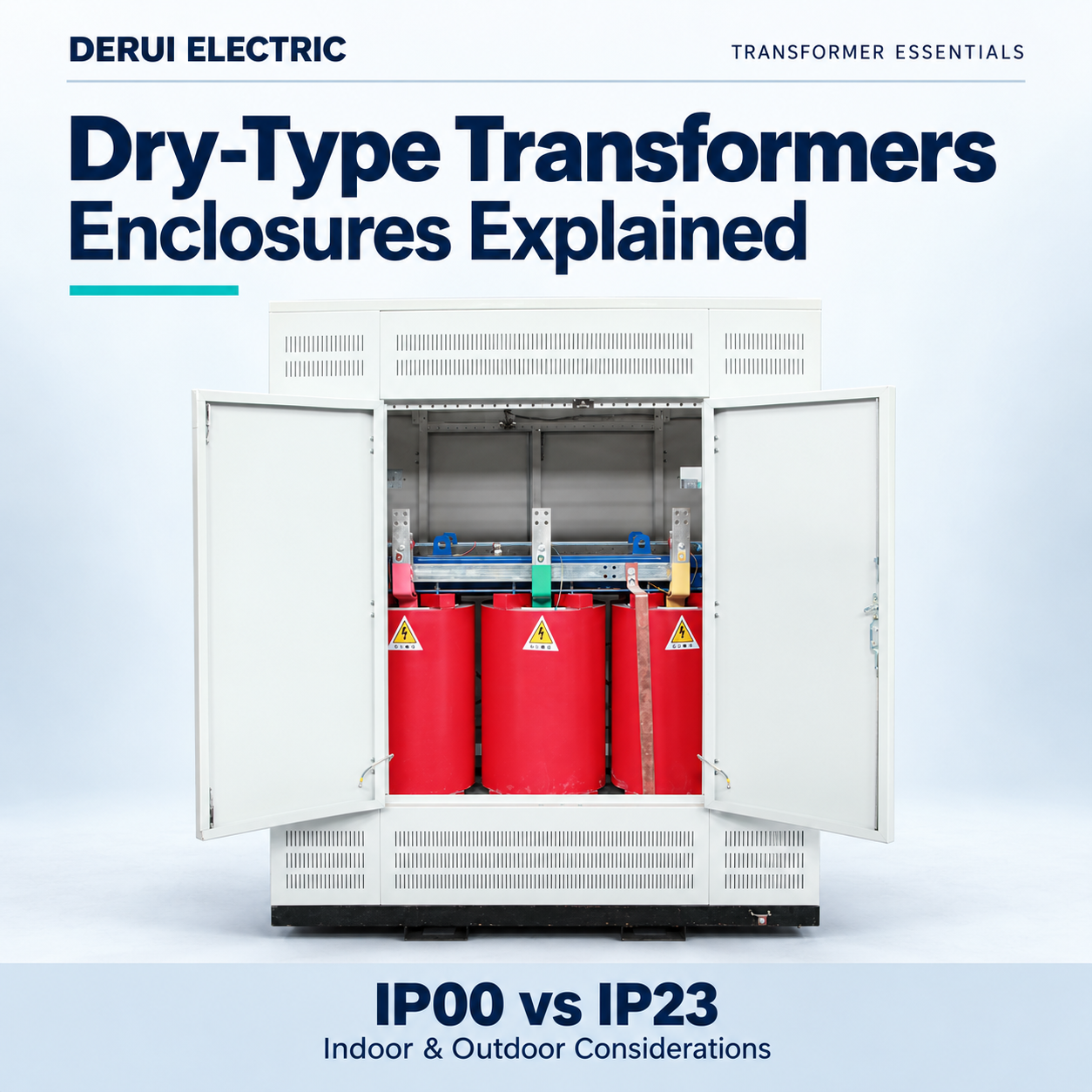
For most conventional industrial and distribution projects today, oil-immersed and dry-type transformers remain proven and widely adopted solutions.
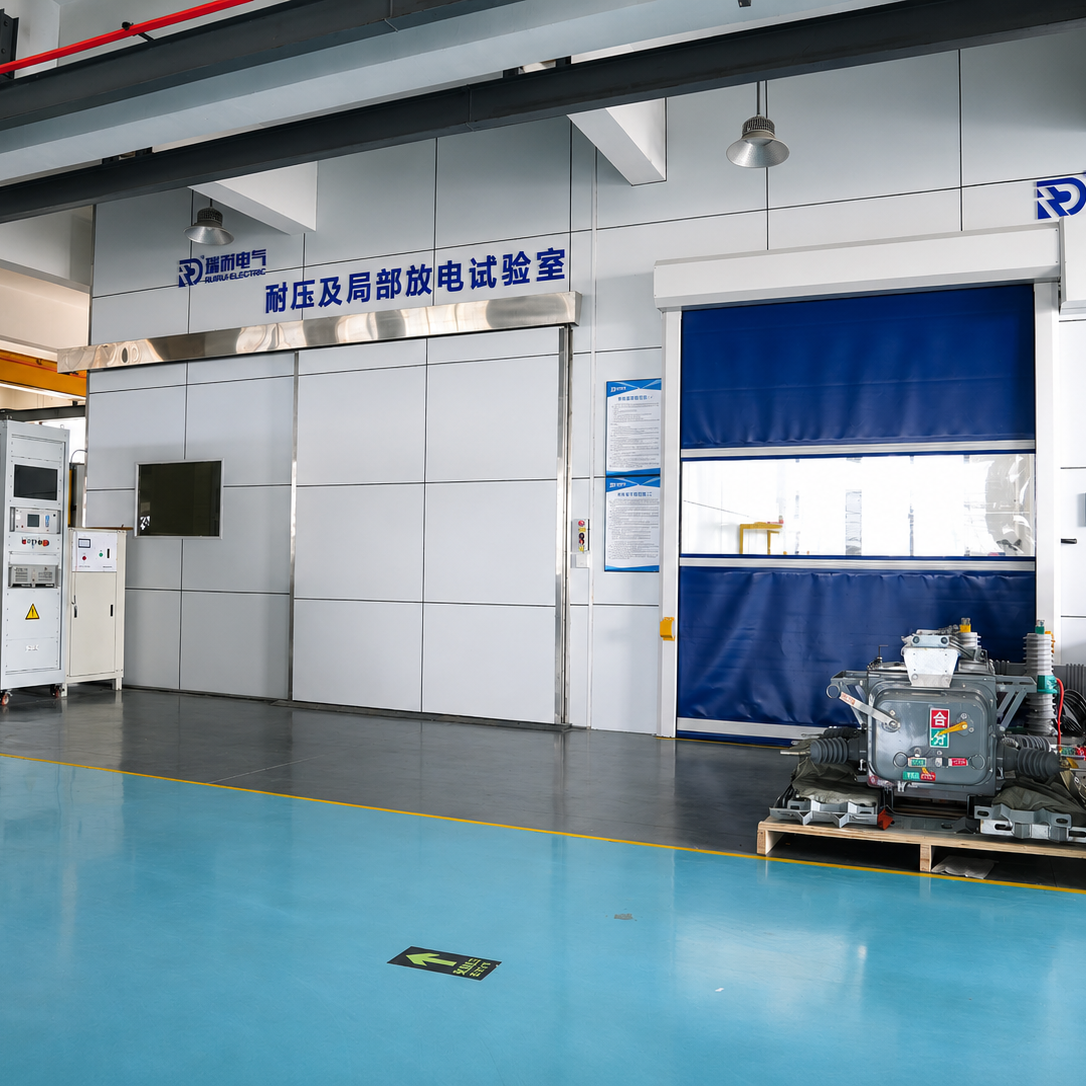
Derui Electric manufactures transformers and complete transmission and distribution equipment for overseas industrial, EPC and distribution projects, with equipment selection based on voltage level, capacity, operating conditions and project requirements.
Frequently Asked Questions
What is a solid-state transformer?
A solid-state transformer uses power semiconductors, high-frequency conversion and electronic control to perform voltage conversion and additional power-management functions.
Will solid-state transformers replace oil-immersed transformers?
Not in the near term across all applications. Solid-state systems may be attractive in specialized projects, while conventional transformers remain widely used in utility, industrial and distribution networks.
Why are transformer delivery times so long?
Rapid growth in grid investment, renewable-energy projects, industrial loads and data centers has increased demand for transformers while manufacturing capacity and key components remain constrained.
Looking for a Transformer for Your Project?
Share your required voltage, capacity, application and project standards. Derui Electric can support transformer selection, customization, factory testing and matching switchgear for industrial and distribution projects.
Contact Derui ElectricSources
- Reuters, August 13, 2026: Heron Power plans $100 million factory for advanced electric grid equipment
- Heron Power: Heron Power selects first factory location for next-generation power electronics
- Heron Power: Heron Link for solar and energy applications