




Africa’s Off-Grid Solar Market Reaches a Financing Turning Point
Africa’s Off-Grid Solar Reached the Bond Market—But Who Gets Left Behind?
A landmark green bond could open a new source of capital for PAYGo solar. But the benefits may not reach every company, country or customer equally.
Africa’s off-grid solar industry has reached an important financial milestone.
The sector is beginning to attract institutional capital beyond the development banks, donors and impact investors that supported its early growth.
In June 2026, African Frontier Capital priced a $50 million green bond to finance solar assets used in d.light’s Pay-As-You-Go programme.
The bond is fully guaranteed by the Green Guarantee Company and is intended to support the distribution of affordable solar products across Sub-Saharan Africa.
The transaction shows that customer payments from thousands of off-grid solar systems can now be structured into an asset capable of attracting public-market investors. But it also exposes a growing divide: larger operators are accessing more sophisticated financing while smaller and locally owned companies face a narrowing path to capital.
How PAYGo Solar Became Financeable
PAYGo allows customers to obtain solar panels, batteries, lighting and household appliances through small instalment payments instead of paying the full cost upfront.
This model has helped households without reliable grid electricity or access to conventional credit purchase basic energy systems.
The financing challenge is that solar companies must pay for equipment and distribution immediately, while customer repayments may arrive over several years.
By grouping expected repayments into a financial structure, companies can raise capital today and use the proceeds to supply more systems. The new green bond shows that institutional investors are increasingly willing to treat PAYGo receivables as a financeable asset.
Thousands of small customer payments are becoming an asset capable of attracting international capital.
The Market Is Growing—But Capital Is Concentrating
Investment in off-grid solar companies reached approximately $315 million in 2025, slightly higher than the previous year.
Yet the number of companies receiving investment fell from 97 to 57. The number of first-time funded companies also dropped from 52 to 25.
Total funding remained relatively stable, but larger transactions were directed toward fewer companies. Three scale-up businesses received almost 63% of all sector investment in 2025.
Funding for locally owned businesses fell to only $9.9 million. The sector is therefore becoming more financially sophisticated at the top while the base of companies able to access capital is narrowing.
This matters because smaller local operators often understand regional languages, repayment habits, maintenance conditions and customer needs better than international businesses. They may also be more willing to serve rural areas that larger companies consider difficult or unprofitable.
Why Smaller Companies Are Being Left Behind
Large operators enter the financing market with several advantages:
Smaller businesses may not have enough scale to justify the legal, reporting and transaction costs of structured finance.
This creates a difficult cycle: a company needs scale to access cheaper capital, but it may need cheaper capital before it can grow.
Product Reliability Is Now a Financial Issue
The bond is not simply financing solar equipment. It is financing the expectation that customers will continue making payments.
If a battery fails, a controller stops working or spare parts are unavailable, customers receive less value from the system. That can weaken repayment performance and reduce the quality of the receivables supporting the financing.
As financing periods become longer, companies will need stronger warranties, repair networks, spare-parts systems and reliable product-performance data. Equipment quality is no longer only a technical concern. It has become part of credit quality.
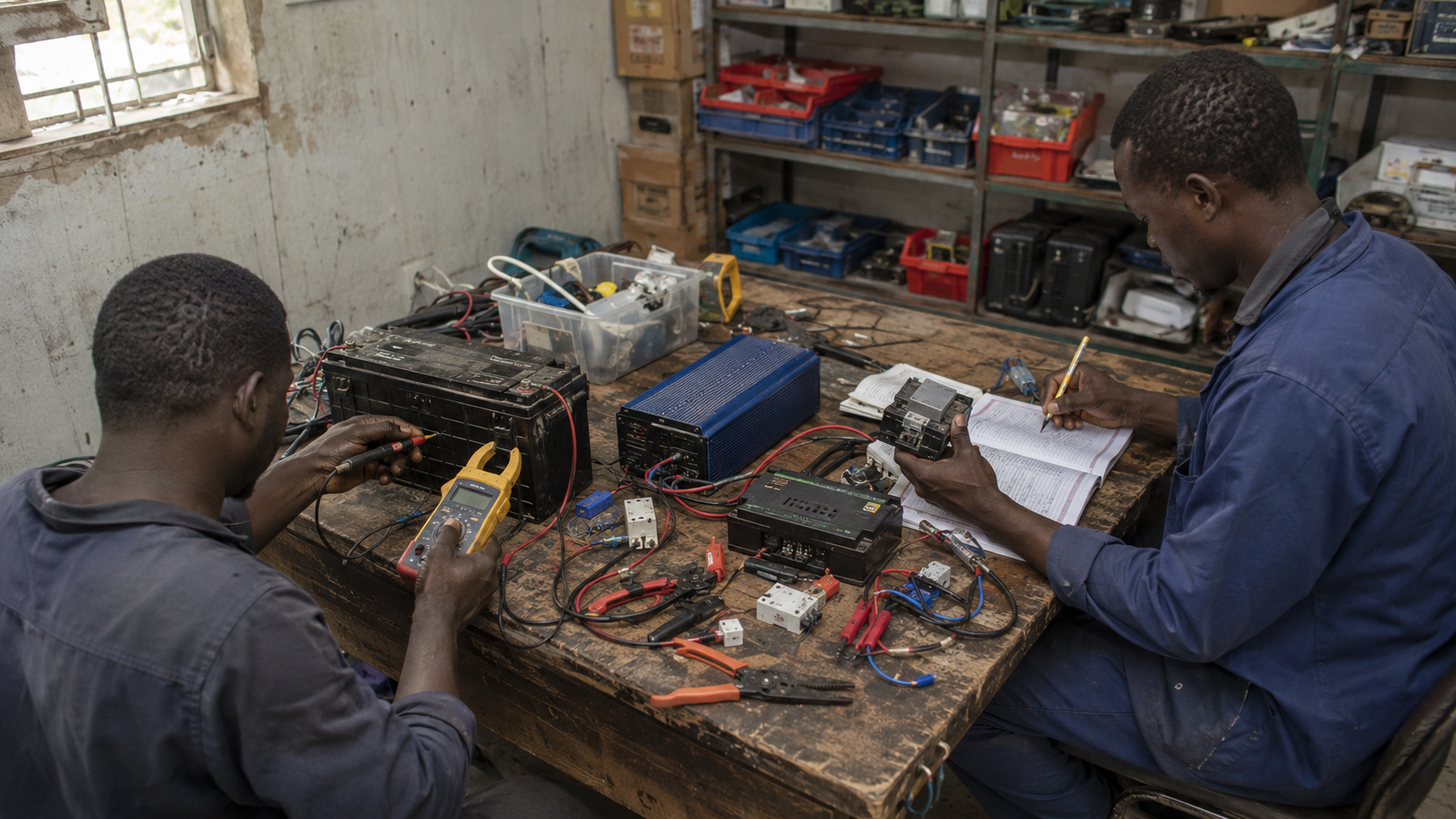
Product performance and after-sales service increasingly affect both customers and investors.
Will Commercial Capital Reach the Poorest Customers?
The new financing model could help the industry reach millions of additional customers.
However, commercial investors generally prefer predictable repayments, larger portfolios and lower-risk markets.
The poorest and most remote customers are often the most expensive to serve. They may have less stable income, require more customer support and live in areas where logistics and maintenance are difficult.
Public guarantees, subsidies and development finance will therefore remain important. Their role may increasingly be to reduce risk and encourage private investment in markets that commercial capital would not enter alone.
What Comes After the Solar Home System?
Solar home systems are often the first stage of electrification.
As electricity demand grows, communities may begin using power for refrigeration, water pumping, agricultural processing, workshops, schools and clinics.
Individual systems may then develop into larger mini-grids or rural distribution networks. At that stage, project teams must consider load growth, voltage levels, protection, metering and long-term maintenance.
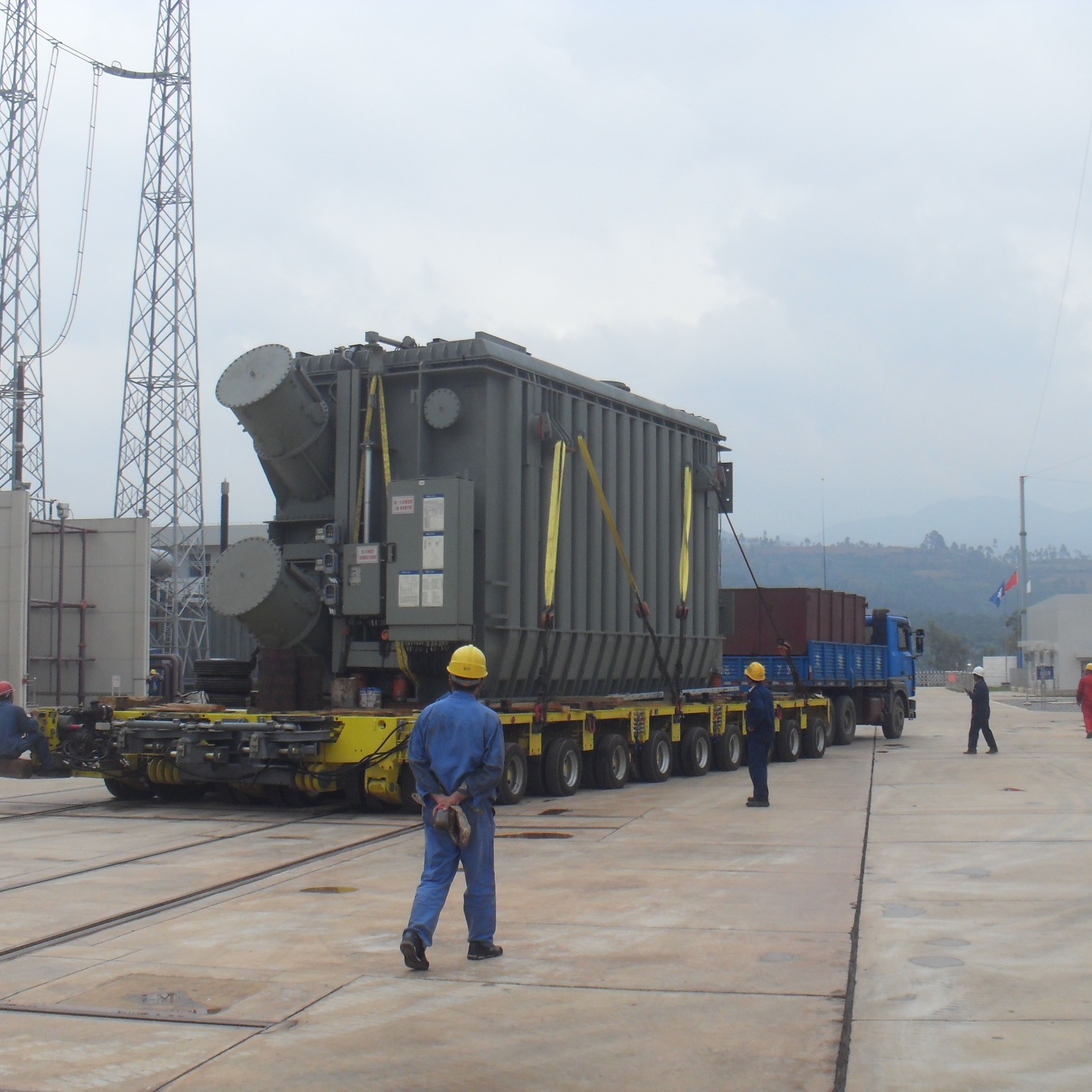
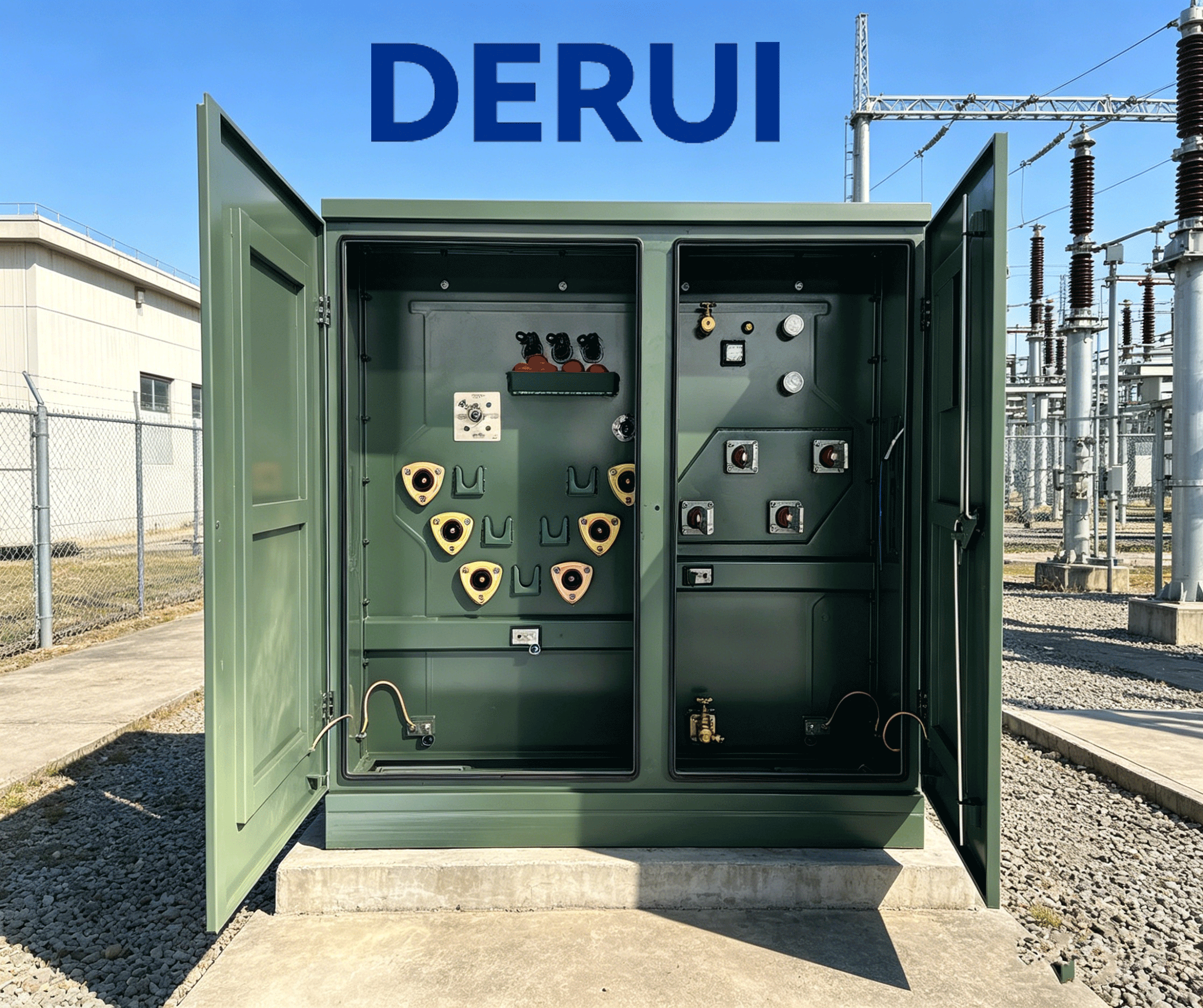
Transformers and switchgear become relevant only when projects expand beyond individual household systems into community-scale electricity networks. The equipment should follow the project’s actual development—not be added simply because the project uses renewable energy.
A Financing Turning Point—But Not Yet a Complete Solution
Africa’s off-grid solar market has crossed an important threshold. PAYGo customer payments can now support financial instruments capable of attracting institutional capital.
But the sector is developing at two different speeds. Larger companies are accessing bigger transactions while smaller and locally owned operators face a shrinking path to investment.
Africa’s off-grid solar sector is becoming bankable. The challenge is ensuring that it remains accessible.
An Industry Perspective
As solar home systems develop into productive-use projects, mini-grids and rural distribution networks, equipment selection must match the real load, voltage, environment and maintenance conditions of each project.
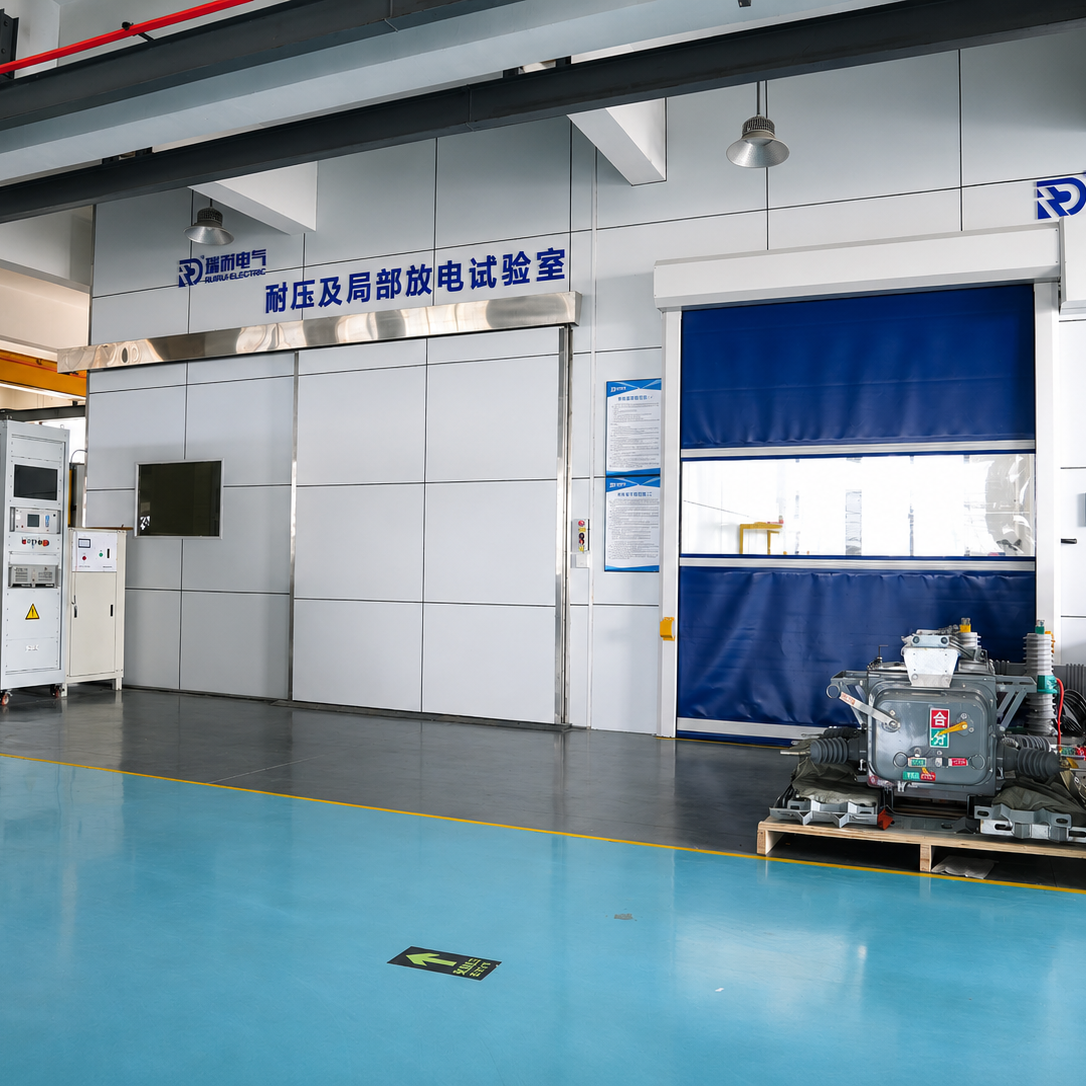
Derui Electric supports overseas mini-grid and distribution projects with project-specific transformer and switchgear solutions, technical-document review and factory testing arrangements.
Frequently Asked Questions
What is PAYGo solar financing?
PAYGo allows customers to obtain solar equipment through smaller instalment payments. Solar companies can also use expected customer repayments to support new financing.
Why is the $50 million green bond significant?
It demonstrates that PAYGo solar receivables can attract institutional investment through a public-market bond structure.
Why are smaller solar companies struggling to raise capital?
Smaller companies may lack long repayment histories, large receivables portfolios and the resources required for complex legal, reporting and financing structures.
When are transformers needed in an off-grid solar project?
Small household systems normally do not require distribution transformers. They become relevant when a project expands into a larger mini-grid or community distribution network operating at different voltage levels.
Planning a Mini-Grid or Rural Distribution Project?
Share your project load, voltage levels, installation environment and planned development stage. Our engineering team can help review the transformer and switchgear requirements for the actual system design.
Contact Derui ElectricSources
- Global Green Growth Institute: Landmark $50 million fully guaranteed green bond
- GOGLA: Off-grid solar investment data: capital concentration and sector maturity