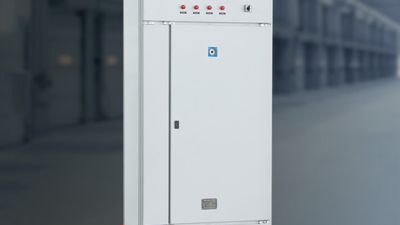
In today's fast-changing electrical scene, picking the right Power Switchgearis more important than ever if you want things to run smoothly. Did you know that according to the 2023 Global Power Switchgear Market Report by ResearchAndMarkets, this market is expected to keep growing — and could hit over $60 billion by 2027? That growth’s mainly fueled by more industries popping up and the big push towards reliable, efficient electricity distribution.
Experts keep stressing how crucial it is to choose your equipment wisely. John Smith, a well-respected electrical engineer, often mentions, “Getting the right Power Switchgear isn’t just about functionality—it’s about safety, performance, and peace of mind.” Everyone in the industry pretty much agrees—having the right gear can really cut down on risks and boost productivity.
Of course, figuring out exactly what you need isn’t always straightforward. There’s a ton of options out there, ranging from medium to high voltage systems. Things like load capacity and where you’re installing it matter a lot, but honestly, a lot of folks overlook these details. Rushing into a decision without proper evaluation can lead to costly downtime or even safety hazards. So, taking the time to analyze your specific requirements and talking with experts is definitely the way to go when you’re shopping for Power Switchgear.
Understanding the Basics of Power Switchgear
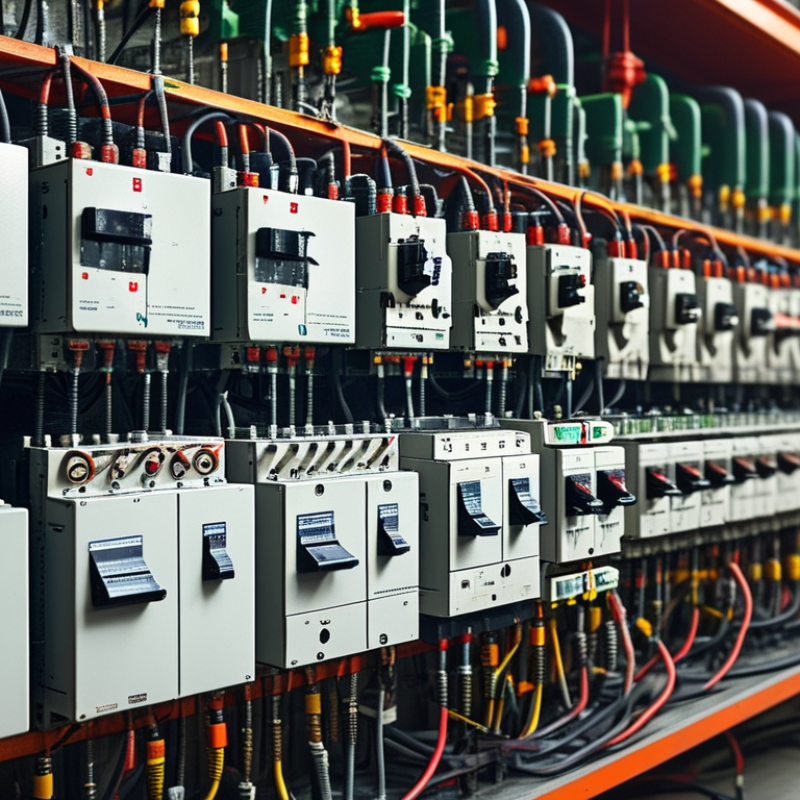
Understanding Power Switchgear is essential for making informed decisions. Power Switchgear acts as the control hub for electrical systems. It includes circuit breakers, isolators, and transformers. Each component plays a significant role in ensuring safety and efficiency.
When selecting switchgear for your needs, consider the system voltage and current ratings. Assess your facility’s power requirements. Proper sizing can prevent inefficient operations. However, a common oversight is neglecting future upgrades. Planning for expansion can save costs down the line. Choosing the wrong configuration can lead to detrimental outages or increased maintenance.
Maintenance is another crucial aspect. Regular checks on the Switchgear Power System can prevent unexpected failures. Personnel should be trained to identify potential issues early on. Yet, even with training, human error remains a possibility. Documenting maintenance activities can aid in reflecting on past decisions. This becomes vital for continuous improvement in performance and reliability.
Types of Power Switchgear and Their Applications
When selecting power switchgear, understanding the types and their applications is crucial. Switchgear acts as a protective device against faults in electrical systems. The main types include air-insulated switchgear (AIS), gas-insulated switchgear (GIS), and hybrid switchgear. Each has distinct features.
Air-insulated switchgear is often used in outdoor settings. It is reliable and easy to maintain. Its performance may wane in harsh weather.
Gas-insulated switchgear offers compactness. It works well in confined spaces and has high insulation strength. However, it tends to be costlier.
Hybrid switchgear combines the benefits of both, offering versatility. It is suitable for various industrial settings but may complicate maintenance.
Choosing the right type is essential based on location, budget, and application. An overlooked detail is the lifecycle cost tied to maintenance and operation. This factor can influence long-term performance significantly. Energy efficiency is another crucial aspect. Evaluating these elements ensures a more informed decision, catering to specific needs. It's a process that benefits from careful consideration.
Key Factors to Consider When Selecting Switchgear
Choosing the right power switchgear is crucial for ensuring electrical system efficiency and reliability. Several key factors must be considered during this selection process. The first is load capacity. It's essential to match the switchgear capacity with your electrical load requirements. According to recent industry reports, incorrect sizing can result in up to a 20% increase in energy costs.
Another major consideration is the environmental conditions. Factors such as humidity, temperature, and exposure to chemicals can affect switchgear performance. For example, equipment installed in coastal areas may require additional protection against corrosion. A study from the Electrical Power Research Institute indicated that environmental factors could reduce switchgear lifespan by as much as 25% if not properly addressed.
Tips for choosing Power Switch Gear include evaluating safety features and maintenance requirements. Safety features, like insulation and protection against overloads, are essential. Additionally, ease of maintenance can reduce downtime. A survey showed that facilities with user-friendly switchgear experience 15% less operational disruption. Selecting the right power switchgear is about balancing these factors to achieve a reliable and efficient electrical system.
Evaluating Electrical Ratings and Specifications
Choosing the right power switchgear requires a solid understanding of electrical ratings and specifications. Commonly used specifications include voltage rating, current carrying capacity, and short-circuit interruption ratings. For instance, the industry standard for low-voltage switchgear typically ranges from 0.4kV to 1.0kV. Meanwhile, medium-voltage switchgear often operates between 1kV and 36kV. These ratings ensure that equipment can handle specified electrical loads safely.
Short-circuit ratings are equally critical. According to a report by the International Electrotechnical Commission, effective short-circuit protection can prevent equipment damage in over 80% of electrical faults. Evaluating electrical specifications helps identify suitable switchgear for a facility’s specific operational needs. It's crucial to note that oversizing switchgear can lead to inefficiencies and increased operational costs.
When assessing electrical ratings, don’t overlook the environment. Factors like temperature, humidity, and altitude can impact performance. A 2021 study highlighted that up to 30% of switchgear failures were linked to environmental factors. Additionally, consider integrating a Power Pole Transformer for optimized power distribution. The accuracy of ratings and specifications can greatly influence overall system performance. Be aware that not all manufacturers provide transparent ratings, which leaves room for doubt in reliability.
Assessing Environmental Conditions and Installation Requirements
When selecting power switchgear, environmental conditions play a critical role. The degree of humidity, temperature, and pollution levels in the installation area can impact the performance and longevity of the switchgear. According to a recent report by the International Electrotechnical Commission (IEC), switchgear operating in high-humidity environments risks corrosion and mechanical failure. Thus, choosing gear designed for such conditions is essential for ensuring reliability.
Installation requirements also vary significantly depending on the setting. For urban areas, switchgear may need to conform to strict noise and space regulations. For instance, a study from the Institute of Electrical and Electronics Engineers (IEEE) suggests that urban switchgear should minimize noise levels to comply with local ordinances. This can limit design choices and impact overall system optimization.
Reflecting on these factors, it's evident that overlooking environmental and installation requirements can lead to costly failures. Specialized switchgear may require higher upfront costs but can offer substantial savings over time through reduced maintenance. In some cases, operators find themselves needing to replace inadequately suited switchgear sooner than expected. This emphasizes the importance of a thorough assessment before making a decision.
Ensuring Safety Standards and Compliance Regulations
Choosing the right power switchgear involves more than just technical specifications. Safety standards are crucial to the selection process. Compliance regulations ensure that the equipment meets necessary safety protocols. This impact goes beyond just operational efficiency—it safeguards workers and assets.
Understanding local and international safety standards is essential. Regulations like IEC and ANSI guide manufacturers in designing switchgear. It is vital to read and interpret these guidelines correctly. Consider third-party certifications as a benchmark. Testing for compliance adds credibility and reassures users about safety.
An often-overlooked aspect is the maintenance of these systems. Regular checks help identify potential issues before they escalate. Implementing a rigorous inspection protocol can be a challenge. Flaws in compliance may emerge only during audits, necessitating introspection and corrective measures. Keeping updated with changes in regulations is non-negotiable. Failing to do so could lead to dangerous situations.
Analyzing Cost vs. Performance for Optimal Value
Choosing the right power switchgear requires careful consideration of cost and performance. It's essential to evaluate your specific needs and usage scenarios. The balance between the two can determine long-term efficiency and effectiveness. While a lower upfront cost is tempting, it may lead to higher maintenance expenses over time.
When assessing cost versus performance, consider the quality of materials. High-quality components often come with a higher price tag. However, they can offer better reliability and longevity. Look for switchgear that meets safety standards, ensuring minimal risk during operation. The functionality should match the demands of your electrical systems to avoid frequent issues.
Additionally, think about space and installation. A compact design like an Outdoor Power Enclosure can save valuable space while maintaining performance. Reflect on your future needs as well. Sometimes, investing in a solution with a bit more capacity pays off in operational flexibility. The right choice may not always be the most obvious one, and a bit of foresight can lead to optimal value.
How to Choose the Best Power Switchgear for Your Needs? - Analyzing Cost vs. Performance for Optimal Value
| Switchgear Type | Cost ($) | Performance Rating (kV) | Efficiency (%) | Typical Applications |
| Air Insulated Switchgear | 15,000 | 36 | 95 | Power Plants, Substations |
| Gas Insulated Switchgear | 25,000 | 72.5 | 98 | Urban Areas, Industrial Applications |
| Hybrid Switchgear | 20,000 | 24 | 97 | Renewable Energy Systems, Smart Grids |
| Vacuum Switchgear | 18,000 | 12 | 95 | Commercial Buildings, Industrial Equipment |
| Miniature Circuit Breakers | 5,000 | 0.4 | 92 | Residential Electrical Panels, Small Machinery |
Maximizing Efficiency and Safety in Electrical Systems with GGD AC Low-Voltage Power Distribution Cabinets
Maximizing efficiency and safety in electrical systems is critical for various sectors, including power plants, substations, and industrial enterprises. The integration of advanced AC low-voltage power distribution cabinets has shown significant promise in achieving these objectives. These distribution cabinets, operating at a frequency of 50Hz and a voltage of 400V with a current rating up to 4000A, provide essential services for power conversion, distribution, and control. Their design allows for superior performance in managing electricity for both operational and lighting systems.
The characteristics of these cabinets are noteworthy. They feature high breaking capacity that enhances safety during fault conditions, coupled with excellent dynamic and thermal stability which is crucial for maintaining performance under varying load conditions. Additionally, their flexible electrical solutions and convenient combinations facilitate easier integration into existing systems, promoting enhanced practicality for end-users. According to industry reports, such improvements can lead to reduced downtime and maintenance costs, illustrating a significant return on investment.
Moreover, these cabinets exhibit a novel structure that contributes to a high protection level, ensuring reliable operation in diverse environments. Their capability to act as effective replacements for low voltage switchgear makes them a valuable addition to electrical distribution systems. As the industry embraces modernization, the transition to these advanced cabinets is not only a step towards greater efficiency but also a commitment to safety in electrical management.
FAQS
: The main types are air-insulated switchgear, gas-insulated switchgear, and hybrid switchgear.
It is mainly used in outdoor environments due to its reliability and ease of maintenance.
Gas-insulated switchgear is compact but often comes with a higher cost compared to other types.
Hybrid switchgear combines features of both air and gas-insulated types but can complicate maintenance.
Lifecycle cost impacts long-term performance and maintenance, which can be easily overlooked.
Compliance with local and international safety standards is crucial for protecting workers and assets.
They add credibility and assure users about the safety and compliance of the switchgear.
Regular checks help identify issues early, preventing potential failures and ensuring safety.
Flaws in compliance may only be discovered during audits, highlighting the need for regular introspection.
Keeping current on changes in regulations is vital to avoid dangerous situations and ensure proper operation.
Conclusion
Choosing the best Power Switchgear for your needs involves understanding its fundamental concepts and various types available in the market. Power Switchgear is critical for ensuring the reliability and safety of electrical systems. It is essential to assess the specific applications these devices serve and the key factors influencing your selection, such as electrical ratings, environmental conditions, and installation requirements.
Additionally, ensuring compliance with safety standards and regulations is crucial in the decision-making process. Lastly, a comprehensive analysis of cost versus performance will help identify the optimal value of Power Switchgear for your projects, ensuring both efficiency and effectiveness in your electrical system management.