Picking the right switchgearis a pretty big deal when it comes to managing power efficiently. As industries grow and change, the need for reliable, effective switchgear just keeps climbing. I mean, according to the Global switchgear Market Report by MarketsandMarkets, the market’s expected to hit around $190 billion by 2026. That kind of growth really shows how important it is to understand what you actually need before making a choice.
Back in 2021, the International Electrotechnical Commission pointed out that using outdated switchgear could waste energy and push operational costs up. Upgrading to newer, modern switchgear can totally help cut down those risks. But, honestly, picking the right gear isn’t always straightforward. You’ve gotta consider things like voltage, what kind of application you’re dealing with, and the environment it’ll be in — all of which play a role in making the best call.
Not all switchgear options are created equal either. Some might not really fit your specific needs, and that’s where doing a proper comparison of specs really pays off. Taking the time to research and talk with experts can save you a ton of trouble and money down the road. In the end, investing a little extra effort now means you’ll end up with the right switchgear, doing its thing reliably for the long haul.
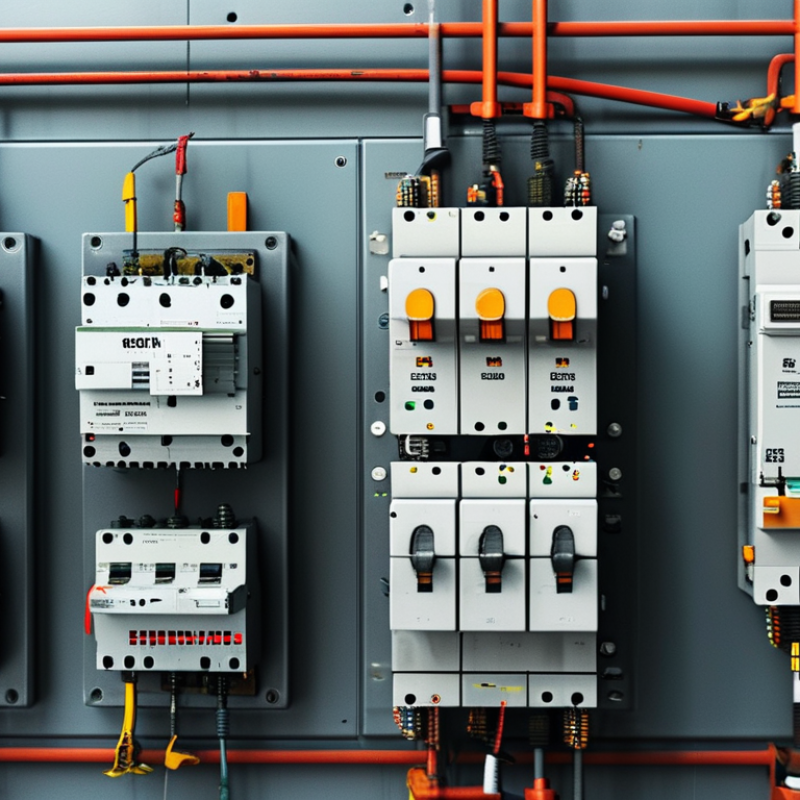
Understanding Switch Gear: Definitions and Functions
Switch Gear plays a critical role in managing electrical power systems. It encompasses a range of devices that control, protect, and isolate electrical equipment. Understanding its definitions and functions is crucial for effective operation. According to the International Electrotechnical Commission, Switch Gear comprises components that handle voltages from low to high. This ensures safety and efficiency in infrastructure management.
In practical terms, Switch Gear isolates faults to protect equipment. For instance, circuit breakers interrupt excess current flow before damage occurs. Moreover, they help maintain system reliability. The global Switch Gear market is projected to grow significantly. Reports suggest an annual growth rate of 6.3% through 2026, driven by advancements in smart grid technology and renewable energy applications.
Tips: Always consider the specific voltage requirements for your application. Ensure the Switch Gear can handle peak loads efficiently. Pay attention to environmental conditions. Some areas may require robust materials to withstand harsh weather or corrosive environments. Reflecting on these factors helps in selecting the most suitable Switch Gear for your needs. Failing to account for these details can lead to costly downtimes and operational inefficiencies.
How to Choose the Right Switch Gear for Your 2026 Needs?
| Type of Switch Gear
| Applications | Voltage Rating (kV) | Current Rating (A) | Features |
| AIS (Air Insulated Switchgear) | Substations, industrial plants | 3.3 - 36 kV | Up to 5000 A | Low maintenance, robust design |
| GIS (Gas Insulated Switchgear) | Urban areas, limited space | 72.5 kV - 800 kV | Up to 4000 A | Compact design, high reliability |
| LV Switchgear (Low Voltage) | Commercial buildings, residential | Up to 1 kV | Up to 6300 A | Flexible configurations, safety features |
| Medium Voltage Switchgear | Renewable energy, industrial | 1 kV - 36 kV | Up to 2500 A | Environmentally friendly, advanced monitoring |
Types of Switch Gear for Different Applications
When considering switch gear for your 2026 needs, it's crucial to understand the different types available. The choice of switch gear, such as Hv Switch Gear, plays a significant role in electrical infrastructure. According to a recent industry report, the global switch gear market is expected to reach $180 billion by 2025, indicating a growing demand for reliable and efficient solutions.
For industrial applications, metal-clad switch gear is often preferred. This type provides enhanced safety and ease of maintenance. Meanwhile, in renewable energy sectors, gear designed specifically for solar and wind applications is gaining momentum. A study reported that renewable energy installations have increased by 50% over the past year, driving innovation in switch gear technology.
However, selecting the right unit isn’t always straightforward. System compatibility and operational requirements must be evaluated carefully. Reports show that improper choice could result in significant operational challenges or safety breaches, often leading to costly downtimes. Therefore, staying informed about technological advancements and market trends is vital for making informed decisions.
Key Factors to Consider When Choosing Switch Gear
When selecting switch gear for your 2026 projects, several critical factors come into play. The efficiency and reliability of electrical distribution systems depend heavily on the switch gear you choose. According to a recent industry report, nearly 30% of electrical failures are linked to inadequate switch gear. This statistic emphasizes the need for thorough evaluation.
Voltage rating is essential. Ensure the switch gear can handle the anticipated voltage levels. An incorrect rating can lead to catastrophic failures. Moreover, consider the environment where the switch gear will operate. Whether it is exposed to moisture, dust, or extreme temperatures, it needs to withstand those conditions. Research indicates that about 25% of equipment failures result from environmental factors.
Another significant aspect is the ease of maintenance. A design that allows for regular checks can reduce downtime. Data suggests that companies with easily maintainable switch gear save up to 20% in operational costs over time. Evaluating the integration with existing systems is also crucial. Sometimes, the latest technology may not be compatible with older infrastructure, necessitating a careful compatibility assessment.
Evaluating Technical Specifications for Your Needs
When selecting switch gear for your needs in 2026, evaluating technical specifications is key. Understanding voltage ratings, current capacity, and interruption ratings can influence system reliability. According to a recent industry report, 30% of electrical failures stem from inadequate switch gear. This underlines the significance of aligning specifications with your operational requirements.
Tip: Always review the environmental impact of your choice. Choose Sf6 Switch Gear for its superior insulation and minimal environmental footprint. This gear effectively reduces greenhouse gas emissions, making it a sustainable option.
Performance metrics are crucial. Look into the temperature range, product lifespan, and maintenance needs. Data suggests that switch gear properly rated can extend operational life by 20%. Ensure your selection fits the specific conditions of your application.
Tip: Assess the scalability of your switch gear. As demands grow, flexibility becomes essential. Underestimating future needs can lead to costly upgrades or downtime, impacting overall productivity.
Cost Analysis: Budgeting for Switch Gear Acquisition
When planning for switch gear acquisition, cost analysis is crucial. Understanding your budget helps narrow down your options. It's essential to consider not just the upfront costs but also long-term expenses, such as maintenance and energy efficiency. Main Switch Gear can vary significantly in price, depending on features and specifications. Evaluating what you truly need can guide your decisions.
Set a realistic budget that covers all aspects of purchase. This includes installation expenses and potential upgrades in the future. Many underestimate these additional costs. Take time to research reliable suppliers and compare their offerings. Look for specifications that align with your operational demands. Prioritize quality while being mindful of your financial limits.
Do not rush the selection process. Reflect on past purchases and lessons learned from those experiences. Each decision impacts your operations. Consider consulting with experts for insights tailored to your specific needs. Their expertise can illuminate areas you might have overlooked. Balancing cost and quality is challenging but necessary for sustainable growth.
Future Trends in Switch Gear Technology for 2026
The evolving landscape of switch gear technology is gearing up for the demands of 2026. Industry reports indicate a shift towards digital solutions that enhance reliability and efficiency. Emphasizing smart grid integration is crucial. According to the International Energy Agency, adoption of smart grids may increase by 20% within the next three years. This means the switch gear you choose must be compatible with advanced management systems.
Sustainability is another key trend. Reports from the World Economic Forum highlight that up to 30% of new switch gear systems will prioritize eco-friendly materials and energy-saving features. Designers are now incorporating recyclable components. This forward-thinking approach enhances operational efficiency while minimizing environmental impact.
However, challenges remain. Many organizations struggle to assess their current infrastructure's compatibility with new technologies. Conducting a thorough analysis is essential. Ignoring this step can lead to costly retrofits later. As the transition accelerates, embracing a flexible mindset is vital. The right switch gear can pave the way for a sustainable future, but careful selection is required to avoid pitfalls.
Maintenance and Support: Ensuring Longevity of Your Switch Gear
Maintaining Power Switch Gear is crucial for longevity. Regular inspections can identify potential issues before they become problems. It’s essential to establish a routine maintenance schedule. This practice not only extends the lifespan of the equipment but also ensures safety in operation.
Proper cleaning and dusting can prevent overheating. Dust buildup is a common issue that may lead to equipment failure. Each part should be checked for wear and tear. Moreover, ensure that connections remain tight. Loose connections can lead to arcing, which is dangerous.
While understanding power switch gear functionality is important, neglecting maintenance can lead to costly repairs. Training staff on proper usage is equally vital. An inexperienced team may overlook critical signs of wear. Investing time in training can mitigate many risks associated with neglect. Regularly reviewing your maintenance procedures will help refine your approach.
FAQS
: Switch gear manages electrical power by controlling, protecting, and isolating equipment.
It ensures effective operation and helps prevent electrical failures.
It isolates faults and interrupts excess current flow, preventing damage.
Voltage ratings, current capacity, and interruption ratings are critical for reliability.
Regular inspections, cleaning, and checking connections help prevent equipment failure.
Harsh conditions may require robust materials to ensure operational efficiency.
It can lead to costly downtimes and increase the risk of electrical failures.
Regular reviews refine practices and ensure continued effectiveness.
Dust buildup can cause overheating, making regular cleaning essential.
Proper training helps identify wear signs and reduces the risk of neglect.
Conclusion
Choosing the right switch gear for your 2026 needs involves a comprehensive understanding of its definitions and functions. Switch gear plays a crucial role in the distribution and protection of electrical power, and selecting the appropriate type depends on various applications. Factors such as voltage requirements, environmental conditions, and specific operational needs should be critically evaluated.
In addition to assessing technical specifications, it's essential to conduct a cost analysis to budget effectively for switch gear acquisition. As technology evolves, being aware of future trends in switch gear can help in making informed decisions. Lastly, implementing a robust maintenance and support plan ensures the longevity and reliability of your switch gear, ultimately safeguarding your electrical system and enhancing operational efficiency.


