Picking the right Gas Insulated Transformer (GIT) is actually a pretty big deal when it comes to keeping your electrical system running smoothly. As Dr. Emily Johnson from PowerTech Solutions puts it, “Choosing the right GIT isn’t just about specs—you need to really understand what your application needs.” That really highlights just how tricky it can be to make a decision that hits all the right notes.
A Gas Insulated Transformer isn’t just some random part—it’s a pretty important piece of the energy puzzle. Things like voltage levels, insulation quality, and environmental factors all matter a lot. When you’re in the thick of a project with deadlines looming or tight budgets, it’s easy to overlook some of these details. But trust me, paying attention to these factors makes all the difference.
Taking the time to think through what your operation actually needs is super important. From experience, a lot of folks underestimate how much the long-term impacts of their choice matter. Making a wrong move here can end up costing more in repairs and inefficiency down the line. So yeah, getting expert advice and doing your homework is honestly worth it—because finding a GIT that really suits your needs will save you headaches later on.
Understanding Gas Insulated Transformers and Their Applications
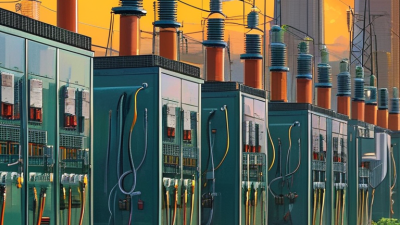
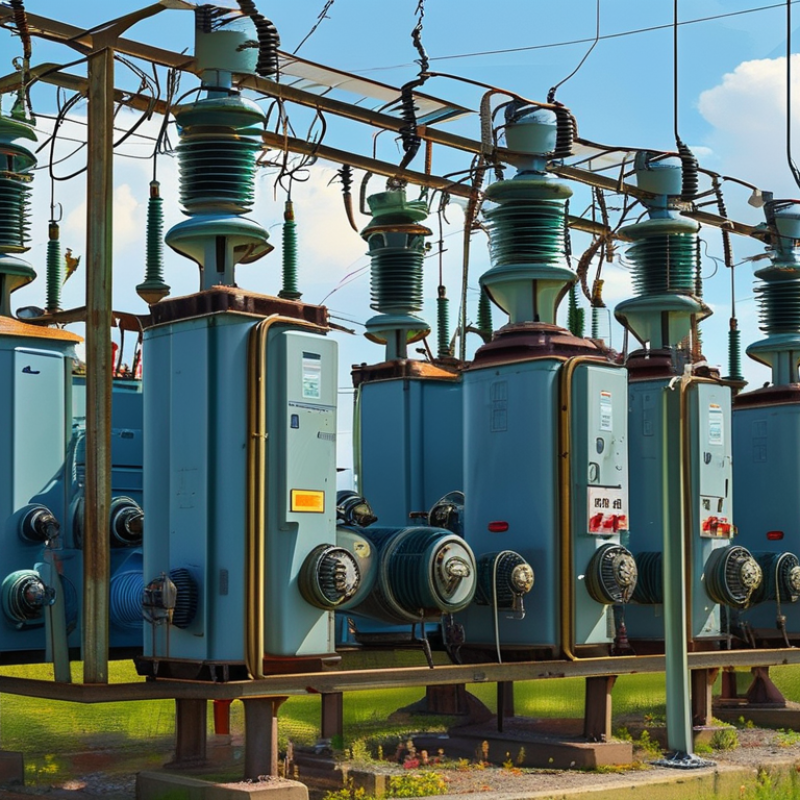
Gas Insulated Transformers (GITs) have gained popularity for their efficiency and compact design. These transformers use gas as an insulating medium, which makes them ideal for urban areas and limited spaces. Understanding their applications is crucial for making the right choice. GITs are commonly used in substations, renewable energy plants, and industrial settings.
When selecting a GIT, consider the environment and space available. The compact design allows for installation in hard-to-reach areas. Look for transformers with high reliability and minimal maintenance needs. They can handle higher voltage levels, making them suitable for various applications.
Tips: Always check the manufacturer's specifications. Ensure the GIT meets safety standards. Inspect compatibility with existing systems. Sometimes, flexibility comes with limitations. Adaptability may not always guarantee performance. Discuss your specific requirements with a professional. This can prevent costly mistakes and enhance reliability.
Key Factors to Consider When Selecting a Gas Insulated Transformer
Selecting the right Gas Insulatedtransformer is crucial for ensuring optimal performance. Several key factors must be taken into account. First, consider your energy needs. Different applications require varying capacities. Therefore, identifying your load requirements will guide your choice significantly.
Next, evaluate the environmental conditions. Gas Insulated transformers are known for their compact design and efficiency. However, specific models may perform better under certain conditions. For instance, extreme temperatures or humidity levels can affect their operation. It's essential to match the transformer with your local climate.
Don't overlook the installation space. Gas insulated transformers save space, but ensure the site is accessible for maintenance. Also, think about future expansions. A transformer that meets current needs might not suffice later. Reflect on these factors carefully. They will help you make an informed decision tailored to your unique situation.
How to Choose the Right Gas Insulated Transformer for Your Needs?
| Key Factors | Description | Importance Level |
| Voltage Rating | Choose according to the application voltage requirements. | High |
| Capacity | Consider the total load demand and future expansion plans. | High |
| Installation Environment | Assess indoor or outdoor installation conditions, including climate. | Medium |
| Maintenance | Determine accessibility for regular maintenance and servicing needs. | Medium |
| Safety Standards | Ensure compliance with local and international safety regulations. | High |
| Budget | Consider the initial purchase cost as well as long-term operational costs. | High |
| Technology Type | Evaluate different technologies such as SF6, insulation methods, etc. | Medium |
Evaluating Voltage and Power Ratings for Your Needs
When selecting a gas-insulated transformer (GIT), evaluating voltage and power ratings is crucial. These specifications directly influence performance and operational efficiency. The International Electrical Engineering Institute reports that proper voltage matching can enhance overall energy efficiency by up to 10%. Assessing your load requirements and determining transformer ratings can prevent overloading and ensure longevity.
Consider the voltage level required for your application. GITs are available in varying voltage classes, often ranging from 12 kV to 420 kV. Selecting a transformer with too high a rating can lead to unnecessary costs. On the other hand, underestimating your needs can result in potential failures. A careful analysis of expected load profiles is essential.
Tip: Review your facility’s historical data for a realistic forecast of power needs. Monitor load trends to adjust future requirements according to changes in demand. Maintenance schedules also play a role here; regular assessments help determine transformer capabilities. Investing time in accurate load calculations avoids common pitfalls associated with misapplication. The right choice of voltage and power ratings can provide not just efficiency but peace of mind in your investment.
Assessing Environmental Conditions and Space Constraints
When selecting a gas insulated transformer (GIS), it's vital to understand your environmental conditions. Different settings demand different specifications. For instance, harsh weather can impact transformer performance. Consider factors like humidity, temperature, and pollution. These elements can dictate the insulation and cooling options you may need.
Space constraints also play a crucial role in your decision. GIS units are known for their compact design, but that doesn't mean they fit everywhere. Ensure you measure your installation area accurately. Can the transformer be easily maintained? Think about accessibility for repairs or inspections. Limited space may force you to compromise on features or even safety, which is not ideal.
Balancing environmental needs and space availability is essential. It requires careful planning and foresight. Engage professionals with expertise in Gis Gas Insulated systems. Their experience can guide you in making the right choice. Avoid rushing the decision; every detail counts. Taking the time to reflect on these factors will lead to a more effective solution for your power needs.
Analyzing Cost vs. Performance for Gas Insulated Transformers
When choosing a gas insulated transformer (GIT), cost and performance are two critical factors. A recent industry report indicates that GITs can reduce operational costs by up to 30% compared to oil-insulated transformers. This is largely due to their compact design and reduced maintenance needs. However, the initial investment for GITs is typically higher. For example, the upfront costs can be 15-20% more. This disparity raises questions about long-term value.
Understanding the balance between cost and performance is essential. While GITs offer superior efficiency and reliability, the financial implications cannot be ignored. In urban areas, where space is limited, using Gas insulated switchgear can lead to significant savings on installation costs. They occupy up to 90% less space than traditional alternatives. This efficiency may justify the higher initial costs, especially in densely populated regions.
Reliability in electrical systems is non-negotiable. GITs are designed to withstand harsh environments, with lifespans extending beyond 30 years. Yet, potential buyers must consider the complexity of installation. Inadequate planning can lead to operational disruptions and unexpected expenses. Evaluating both short-term costs and long-term performance is crucial in making an informed decision.
Maintenance Requirements and Service Life Considerations
When considering the maintenance requirements for gas insulated transformers, it's crucial to prioritize regular inspections. These transformers are designed for longevity, but environmental factors can affect their reliability. Conducting visual checks for any signs of wear or damage can prevent unexpected failures. A well-maintained transformer often operates at peak efficiency and helps avoid costly downtimes.
Understanding service life considerations is equally important. Gas insulated transformers typically have a long lifespan, but their performance may decline without proper care. Factors like humidity and temperature fluctuations can pose risks. Implementing routine maintenance schedules ensures that potential issues are identified early. Keeping a detailed log of inspections enhances accountability and informs future maintenance strategies.
Gas Insulated Switches play a significant role in the overall functionality of the transformer system. They require compatibility with the transformer design and operational criteria. Misalignment between these components can lead to inefficiencies. Ensuring that both parts work seamlessly can enhance the lifespan of the entire electrical system. Therefore, taking the time to understand these components is critical.
Comparing Manufacturers and Models for Optimal Selection
When considering gas insulated transformers (GITs), comparing manufacturers and models is essential. The market boasts various designs, each with distinct efficiencies and suitability for specific applications. Reports indicate that GITs offer up to a 30% smaller footprint than conventional air-insulated transformers. This is crucial in urban settings where space is limited.
Understand the technical specifications of each model. Look for insulation type, temperature ratings, and load capacity. Some models excel in seismic resilience, supporting installations in seismic-prone areas. It's vital to assess your infrastructure needs and long-term plans.
**Tip:** Always check the warranty and service agreements. These can be indicative of the manufacturer's confidence in their product.
Data reveals that transformers with advanced insulation materials tend to have longer lifespans, significantly reducing maintenance costs over time. However, not all models offer the same reliability. Some may fall short in performance under extreme conditions.
**Tip:** Carry out a cost-benefit analysis. Ensure that the initial investment aligns with long-term operational efficiencies.
Comprehensive Guide to HV Current-Limiting Fuses for Optimal Transformer Protection
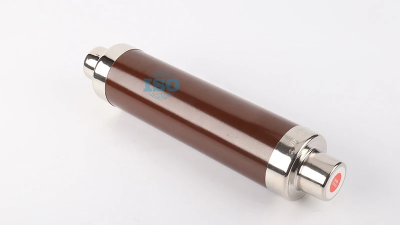
High-voltage (HV) current-limiting fuses play a crucial role in the protection of transformers and other electrical facilities, particularly when integrated into an indoor system operating at frequencies of 50Hz and rated voltages ranging from 3.6kV to 40.5kV. These fuses are designed to provide reliable protection against overloads and circuit interruptions, safeguarding vital equipment from potential damage. Their functionality is enhanced when used alongside other switching devices such as load switches and vacuum contactors, allowing for a cohesive and efficient safeguarding mechanism.
In addition to their protective capabilities, HV current-limiting fuses are essential components in high-voltage switchboxes and circular circuit cabinets, as well as high and low-voltage top-loading transformer substations. Utilizing these fuses not only ensures the longevity of transformers but also contributes to the overall safety and efficiency of electrical systems. With proper integration, these fuses can effectively limit the current during fault conditions, thereby minimizing electrical hazards and reducing the risk of catastrophic failures in high-voltage setups.
FAQS
: Voltage and power ratings affect performance and efficiency. Proper matching can enhance energy efficiency by up to 10%.
Common voltage classes range from 12 kV to 420 kV. Select a rating based on your specific needs.
Review historical data and monitor load trends. Adjust requirements based on changes in demand.
Consider factors such as humidity, temperature, and pollution. These can affect insulation and cooling options.
Space constraints are crucial. Measure your area to ensure the transformer fits and can be easily maintained.
Regular inspections are essential. Check for wear or damage to avoid unexpected failures and downtime.
Implement routine maintenance and keep detailed logs of inspections. Early identification of issues can extend performance.
They must be compatible with the transformer design. Misalignment can lead to inefficiencies and reduced lifespan.
Balancing these factors requires careful planning. Rushed decisions can lead to compromised safety or performance.
Invest time in accurate load calculations and thorough analysis to prevent overloading or underestimating needs.
Conclusion
When selecting the right Gas Insulated Transformer (GIT), understanding its applications is crucial. GITs are well-suited for environments where space is limited and where specific environmental conditions need to be addressed, such as urban areas or regions with high humidity. Key factors to consider include voltage and power ratings, which must align with the specific needs of your electrical system. Additionally, evaluating the environmental conditions and space constraints will play a significant role in the selection process.
Cost versus performance is another critical aspect; it's essential to analyze long-term operational costs against the initial investment in a GIT. Maintenance requirements and the expected service life of the transformer should also be factored into your decision, ensuring that the chosen model meets both performance and longevity expectations. Finally, comparing different manufacturers and models can help identify the optimal Gas Insulated Transformer that meets all your technical and economic criteria.